 1. Understanding Pallet Grades
Pallets are categorised by grade, which affects durability, cost, and suitability for different applications:
Grade A Pallets
- Highest quality, suitable for high-value goods and export.
- Often heat-treated or chemically treated for compliance.
- Ideal for businesses that require durability and international shipping.
Grade B Pallets
- Slightly lower quality, often refurbished or second-hand.
- Cost-effective option for internal warehouse use or domestic shipping.
- Can be recycled or recovered efficiently by CMPallets.
2. Choosing the Right Pallet Material
Pallets are made from wood, plastic, or metal, each with pros and cons:
Wooden Pallets
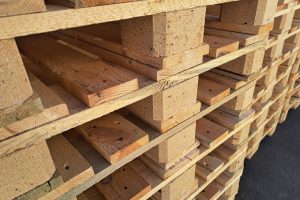
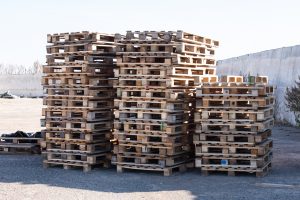
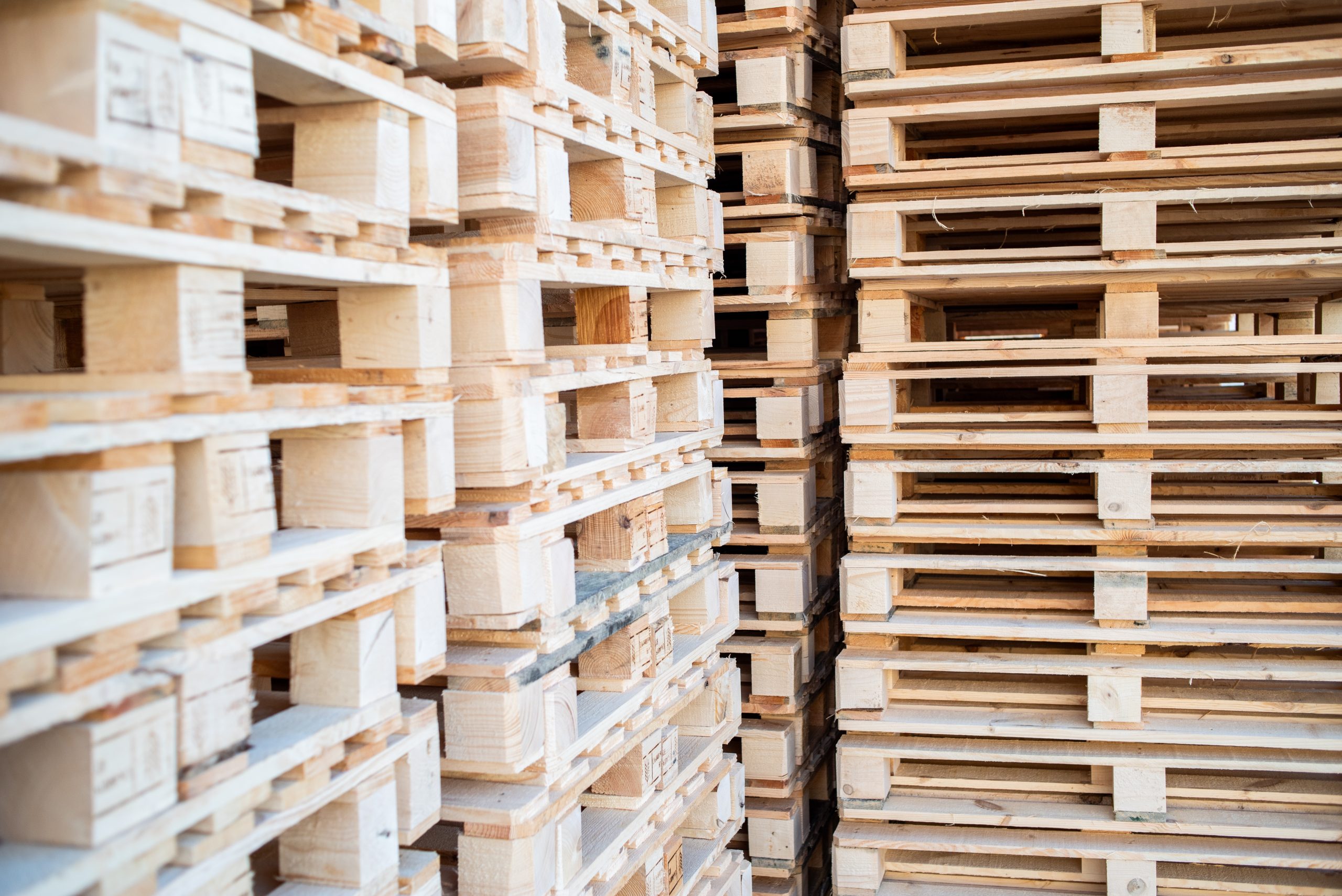
- Most common in the UK.
- Advantages: Strong, recyclable, cost-effective.
- Can be heat-treated for export and reused multiple times.
Plastic Pallets
- Durable, lightweight, and hygienic.
- Ideal for food, pharmaceuticals, and sensitive goods.
- Higher initial cost but lower maintenance over time.
Printer Pallets
- Specialised pallets designed for the printing industry, ensuring safe transport of paper stacks, printed materials, or delicate rolls.
- Reduces damage during handling and improves stacking efficiency.
- Often made from wood or recycled materials, and can be recovered and reused via CMPallets.
Euro Pallets
Euro pallets come in different grades and types to suit business needs:
- Graded Euro Pallets:
- Standardised and certified for high-value shipments and international logistics.
- Available in Grade A or B depending on the condition and intended use.
- Perfect for companies that need consistency and reliability in pallet quality.
- Unstamped Euro Pallets:
- Cost-effective alternatives for domestic use or non-regulated transport.
- Ideal for businesses looking to reduce costs while maintaining functionality.
Pallet Tops
- Pallet tops are an option for creating custom pallet surfaces, enhancing load stability and reducing damage.
- Useful for irregular or delicate goods, and can extend pallet life by protecting the main deck.
- CMPallets can recover and recycle pallet tops efficiently, contributing to sustainability.
3. Weight and Load Considerations
Choosing the right pallet weight is essential for transport efficiency and safety:
- Lightweight Pallets: Easier to handle, reduce shipping costs, ideal for air freight or lightweight goods.
- Medium-Weight Pallets: Balance between cost, durability, and handling ease. Suitable for most warehouses.
- Heavyweight Pallets: Best for large machinery, high-density loads, or long-haul transport.
Pro Tip: Always consider your maximum load requirements and warehouse handling equipment to select the right pallet weight.
4. Pallet Size and Standardisation
- UK standard wooden pallets: 1200mm x 1000mm or 1200mm x 800mm.
- Euro pallets: 1200mm x 800mm, commonly used for international logistics.
- Selecting the right size ensures efficient storage, transport compatibility, and safety compliance.
5. Tips for Making the Right Choice
- Assess Your Operational Needs: Storage, transport, and load type.
- Consider Reuse & Recycling: CMPallets can help maximise lifespan and sustainability.
- Factor in Cost vs Durability: Higher-quality pallets often reduce replacement costs over time.
- Check Compliance: Export pallets must meet ISPM-15 regulations.
6. Why Partner with CMPallets
- Expertise: Decades of experience in pallet recovery and recycling.
- Cost Efficiency: Optimise pallet use and reduce unnecessary spend.
- Sustainability: Reduce landfill waste and carbon emissions.
- Convenience: Collection, sorting, and reporting done for you.