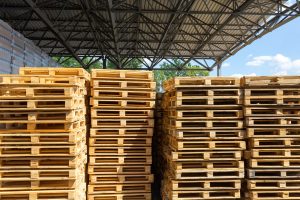
Are wooden pallets treated before they reach your warehouse? The short answer is yes. Most wooden pallets go through specific treatment methods to make them stronger, longer-lasting, and safe for transporting goods across the world.
In this guide, we explain the common treatment methods for wooden pallets, the chemicals involved, and what you need to know to handle them safely.
Why Are Wooden Pallets Treated?
A wooden pallet needs treatment for several important reasons. Untreated wood can attract pests like termites and beetles, develop mould and fungus, and rot quickly when exposed to excess moisture. Treatment helps to prevent these problems and extends the life of the pallet.
For businesses involved in shipping pallets internationally, pallet treatment is also a legal requirement. The International Plant Protection Convention created regulations to ensure that wood packaging material is free from pests that could spread between countries. These international standards protect agriculture and ecosystems worldwide.
Common Treatment Methods for Wooden Pallets
There are two main ways pallets are treated: heat treatment and chemical treatment. Each type of treatment has its own benefits and uses.
Heat Treatment
Heat treatment involves placing pallets in a special chamber and raising the temperature to at least 56°C for a minimum of 30 minutes. This process eliminates pests, including insects, larvae, and fungi living in the wood, without using any chemicals.
Heat-treated pallets are marked with an HT stamp to show they meet international standards. This method is popular because it has a low environmental impact and leaves no chemical residue on the wood.
The International Standard for Phytosanitary Measures No 15 (commonly called ISPM 15) sets out the requirements for heat treatment. This standard for phytosanitary measures ensures that wood packaging material moving between countries does not carry harmful organisms.
Chemical Treatment
Chemical treatments involve using substances like insecticides, fungicides, or preservatives to protect the wood. These chemicals create a barrier that stops pests from infesting the pallet and prevents fungal growth.
In the past, some pallets were treated with methyl bromide fumigation. However, this method has been phased out in many countries due to serious environmental concerns. Today, most chemical treatments focus on preservatives that protect against moisture and decay.
Comparing Heat Treatment and Chemical Treatment
| Feature | Heat Treatment | Chemical Treatment |
|---|---|---|
| Method | High temperature for 30 minutes minimum | Application of chemicals |
| Environmental impact | Low – no chemicals used | Higher – chemicals affect the environment |
| Pest control | Eliminates pests through heat | Creates chemical barrier against pests |
| Residue | None | May leave chemical residue |
| ISPM 15 compliance | Meets ISPM 15 standards | Some methods no longer accepted |
| Cost | May require specialist equipment | Often quicker and cheaper |
| Best for | Export pallets, food industry | General industrial use |
Benefits of Treated Wooden Pallets
Treating wooden pallets offers several advantages for businesses.
Treated pallets have a longer lifespan because they resist rot, decay, and pest damage. This means they last much longer than untreated alternatives and reduce the risk of product contamination.
Because treated pallets are more durable, they need less frequent replacement and repair. This saves money on maintenance costs over time.
Treatment helps prevent splinters and structural weaknesses that could injure workers. Safer pallets mean fewer workplace accidents.
Heat-treated pallets meet ISPM 15 regulations required for international shipping. Without proper treatment, your goods could be refused at borders or held in quarantine.
By keeping pests and mould away, treated pallets help protect the products stored and transported on them from damage.
Potential Hazards and Safety Concerns
While pallet treatment provides many benefits, there are some safety considerations to keep in mind. Chemically treated pallets may contain substances that could pose health risks if the wood comes into contact with food or if workers handle them without protection.
The Health and Safety Executive (HSE) provides guidance on industrial timber treatment that covers the safe handling of treated wood and the regulations businesses must follow.
To reduce the risk when working with treated pallets, always wear appropriate protective equipment, such as gloves. Avoid using chemically treated pallets for projects involving food storage unless they are specifically approved for that purpose. Store treated pallets properly to prevent any chemicals from leaching into the surrounding environment.
ISPM 15 Standards Explained
The International Standard for Phytosanitary Measures No. 15 is a set of guidelines created by the International Plant Protection Convention. These ISPM 15 standards apply to all wood packaging material used in international trade, including pallets, crates, and dunnage.
Under ISPM 15 regulations, wooden pallets must be either heat-treated or undergo another approved treatment method. Pallets that meet these standards carry a special stamp showing the country code, producer number, and treatment type (HT for heat treatment).
If your business exports goods, using pallets that meet ISPM 15 standards is essential. Non-compliant pallets can result in shipments being delayed, rejected, or destroyed at the border.
Which Treatment is Right for Your Business?
The best type of treatment depends on how you plan to use your pallets. If you are shipping pallets internationally, heat-treated pallets are usually the best choice because they meet ISPM 15 standards and are accepted worldwide.
For general warehouse storage and domestic transport, medium-weight Euro pallets offer excellent durability and value. These pallets are designed to handle typical business loads while meeting industry standards.
If your business requires pallets for specific applications, it is worth discussing your needs with a pallet supplier who can recommend the right option. CM Pallets offers a range of Euro pallets suitable for different industries and purposes.
Frequently Asked Questions
Are wooden pallets treated before use?
Most commercial wooden pallets are treated in some way. The treatment method depends on how the pallet will be used. Pallets used for international shipping must be treated to comply with ISPM 15 regulations set by the International Plant Protection Convention.
How can I tell if a pallet has been treated?
Treated pallets carry a stamp or marking. Heat-treated pallets display an HT mark, while pallets that meet international standards show the ISPM 15 logo along with information about the treatment method and country of origin.
Can treated pallets be used for food storage?
Heat-treated pallets are generally safe for food-related uses as they contain no chemical residues. However, pallets treated with methyl bromide or other chemicals should not be used for storing food.
How long does pallet treatment last?
Heat treatment eliminates pests permanently at the time of treatment. The wood itself remains treated, though re-infestation is possible if pallets are stored improperly. Chemical treatments can last several years, depending on the preservatives used and whether the pallets are exposed to excess moisture.
What is the environmental impact of pallet treatment?
Heat treatment has minimal environmental impact since it uses no chemicals. Chemical treatments have a higher environmental impact, which is why methods like methyl bromide fumigation have been banned in many countries.
Conclusion
Wooden pallets are treated to make them stronger, more durable, and free from pests that could damage goods or spread between countries. Heat treatment is the most common method for pallets used in international shipping, while chemical treatments are still used for certain applications.
Understanding the treatment methods for wooden pallets helps you choose the right option for your business and ensures you handle them safely. Whether you need pallets for export, storage, or general logistics, choosing properly treated pallets protects your goods and keeps your operations running smoothly.