CM Pallets

Used Pallet Collection: A Smart Solution for Busy Warehouses

Exporting Goods

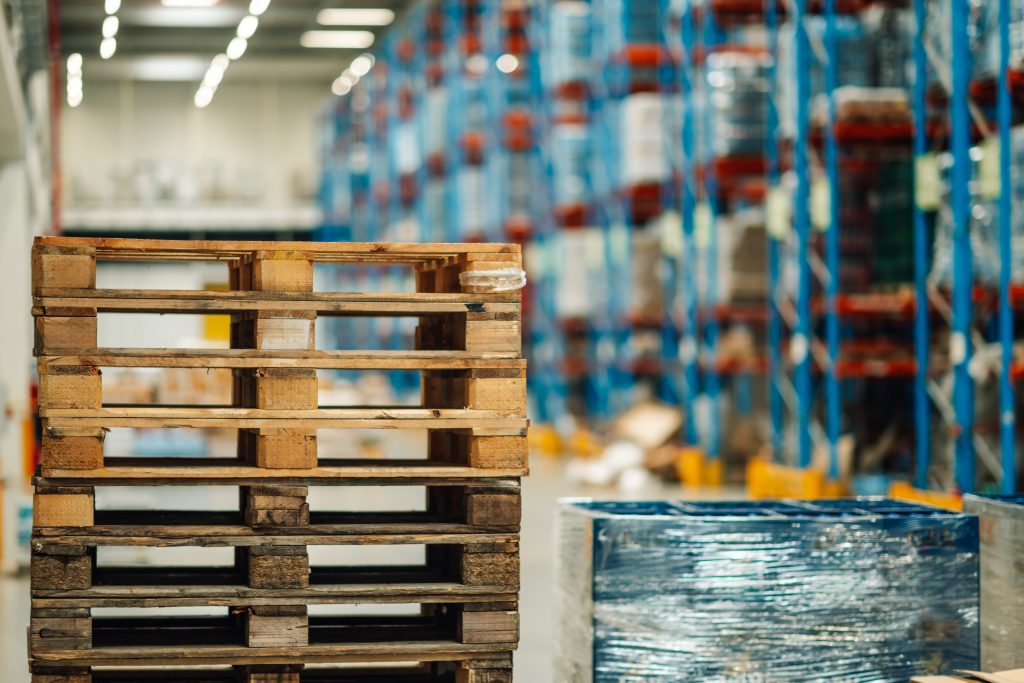
Every warehouse manager knows the feeling. Pallets accumulate faster than they disappear, stacking up in corners, blocking access routes, and gradually claiming floor space that should be earning its keep. What starts as a minor inconvenience becomes a genuine operational headache, and before long you’re working around pallet mountains rather than running an efficient facility. Used pallet collection shouldn’t be something you have to chase or worry about. At CM Pallets, we’ve built a collection service specifically designed for busy warehouse operations—reliable, flexible, and scaled to handle the volumes that commercial facilities generate. The Hidden Cost of Pallet Accumulation Pallets taking up warehouse space might seem like a minor issue, but the costs add up in ways that aren’t immediately obvious. Every square metre occupied by stacked pallets is a square metre not available for stock, picking operations, or workflow efficiency. Beyond the space issue, accumulated pallets create practical problems. They obstruct traffic routes, complicate emergency access, and make routine operations more cumbersome than they need to be. Forklift drivers navigate around pallet stacks rather than taking direct paths. Staff spend time shuffling pallets from one location to another rather than focusing on productive work. There’s also the compliance angle. Fire regulations, health and safety requirements, and insurance conditions all have implications for how materials are stored on your premises. Excessive pallet accumulation can put you on the wrong side of these requirements, creating liability issues that far outweigh the perceived hassle of arranging regular collection. For warehouse managers searching for pallet removal near me, addressing the problem sooner rather than later prevents these costs from compounding. How Our Collection Service Works We’ve designed our used pallet collection service around the realities of warehouse operations. We understand that your facility runs to its own rhythms, and collection arrangements need to fit around your schedule rather than disrupting it. The process starts with a conversation about your situation. How many pallets are you typically accumulating? What’s your current backlog? When are the best times for collection vehicles to access your site? These questions help us propose an arrangement that actually works for your operation. For some warehouses, regular scheduled collections make the most sense. Weekly, fortnightly, or monthly visits keep pallet numbers under control without requiring you to think about it. The collection becomes part of your operational routine, happening predictably and reliably. Other facilities prefer to call us when numbers reach a certain threshold. This approach suits operations where pallet accumulation varies significantly—perhaps seasonal patterns mean you generate far more pallets during certain months. We’re happy to work on this basis, responding when you need us rather than imposing a fixed schedule. Bulk Collection Capabilities Warehouses don’t deal in small numbers. When you need pallet collection near me, you need a service that can handle commercial volumes without blinking. A provider who turns up with a transit van when you’ve got hundreds of pallets to shift isn’t going to solve your problem. CM Pallets operates vehicles and logistics designed for bulk collection. Whether you’ve got a few dozen pallets or several hundred, we have the capacity to clear them efficiently. Our team arrives equipped to load quickly and professionally, minimising the time collection activities occupy your yard or loading bay. For facilities with substantial ongoing volumes, we can discuss dedicated collection arrangements that guarantee capacity when you need it. This proves particularly valuable during peak periods when your pallet generation increases and you can’t afford collection delays. What Happens to Collected Pallets One question we hear regularly concerns what happens to pallets after collection. Warehouse managers increasingly care about the environmental credentials of their supply chain partners, and rightly so. Collected pallets enter our assessment and recycling process. Those in good condition are inspected, repaired where necessary, and returned to circulation as quality recycled pallets. This extends their useful life significantly and reduces demand for new pallet production. Pallets that have reached the end of their usable life don’t go to landfill. The timber is processed for secondary uses—wood chip, biomass fuel, animal bedding, and other applications that extract remaining value from the material. The circular approach means your used pallets contribute to sustainable practices rather than becoming waste disposal problems. For businesses with sustainability targets or environmental reporting requirements, working with a collection partner who handles pallets responsibly supports those commitments. Serving Logistics Teams Across the Region Our collection service covers Essex, Kent, and surrounding areas, serving warehouses and distribution centres throughout the region. From major logistics parks to smaller independent operations, we work with facilities of all sizes. For logistics teams seeking used pallet collection near me, local service brings genuine advantages. We can respond more quickly to urgent collection requests, maintain reliable scheduling, and build ongoing relationships that improve service over time. When your regular driver knows your site, your procedures, and your preferences, collections run more smoothly than they would with a different face each time. We also understand that warehouse operations often span awkward hours. Early morning collections before your facility gets busy, or end-of-day visits after the rush subsides—we can discuss timing that minimises disruption to your core activities. Making the Switch If your current pallet situation involves periodic panics when accumulation gets out of hand, reactive scrambles to find someone who can collect at short notice, or simply accepting that pallets will always clutter your space, there’s a better way. Establishing a proper collection arrangement transforms pallet management from a recurring headache into a solved problem. You know pallets will be collected, you know when it will happen, and you can plan your space utilisation accordingly. Getting started is straightforward. Contact CM Pallets to discuss your current situation and requirements. We’ll propose an arrangement that fits your operation, confirm the details, and take pallet accumulation off your list of concerns. Your warehouse space is too valuable to surrender to pallet mountains. Let’s put it back to productive use.

Pallet Delivery Solutions for Seasonal Business Demands

Wooden Pallet Size

Every business has its busy season, and for many across Essex and Kent, summer represents the peak of operational activity. Warehouses process higher volumes, event companies work back-to-back functions, and landscaping teams make the most of favourable conditions. Behind all this activity sits a common requirement: a reliable supply of quality pallets delivered when and where they’re needed. At CM Pallets, we’ve spent years supporting local businesses through their busiest periods. We understand that when demand spikes, your supply chain needs to keep pace. A pallet shortage in the middle of your peak season isn’t just inconvenient—it can mean missed deadlines, disappointed customers, and lost revenue. The Challenge of Seasonal Demand Seasonal fluctuations create specific challenges for pallet management. During quieter months, standard ordering patterns work perfectly well. But when activity ramps up, those same patterns can leave you short precisely when you need pallets most. The problem often compounds itself. When your business gets busier, so do your suppliers, your logistics partners, and everyone else in the chain. Lead times that were comfortable during winter can stretch uncomfortably during summer. The businesses that navigate peak seasons most successfully are those that plan ahead and work with suppliers who understand seasonal pressures. For companies searching for pallets for sale near me as summer approaches, the time to establish those supply relationships is now—not when you’re already struggling to keep up with demand. Reliable Delivery Across the Region Our pallet delivery service covers Essex and Kent comprehensively, serving businesses from industrial estates to rural sites, from major distribution centres to smaller operations. This regional focus means we understand local conditions and can plan routes efficiently, translating into reliable delivery windows you can actually count on. Pallet delivery in Essex benefits from our established presence across the county. Whether you’re based near the ports, in town centres, or in more rural locations, we can reach you without the complications that come with national suppliers trying to service areas they don’t know well. The same applies to pallet delivery in Kent. Our coverage extends throughout the county, supporting businesses that need consistent, dependable supply regardless of where they’re located. From the industrial areas around Dartford to coastal businesses near Margate, we’ve built delivery capabilities that match the region’s diverse business landscape. Bulk Ordering That Makes Sense When you’re preparing for a busy period, ordering in bulk offers obvious advantages. You secure stock before demand peaks, avoid the risk of availability issues, and often benefit from better pricing. But bulk ordering only works if your supplier can actually deliver the quantities you need. CM Pallets maintains stock levels specifically designed to support bulk orders. We’re not scrambling to source pallets when a large order comes in—we’ve already anticipated the demand. This preparedness means we can confirm quantities and delivery dates with confidence rather than making promises we might struggle to keep. For businesses placing larger orders, we can discuss scheduling that works around your storage capacity and operational requirements. Perhaps you want everything delivered at once to simplify receiving, or maybe staged deliveries over several weeks suit your situation better. We’re flexible enough to accommodate what works for you. Industries We Support Our customer base spans numerous sectors, each with distinct requirements and seasonal patterns. Understanding these differences helps us provide service that genuinely fits each business’s needs. Warehousing and Distribution Warehouses sit at the heart of supply chains, and their pallet requirements scale directly with throughput. Summer often brings increased consumer spending, promotional campaigns, and stock building ahead of autumn retail seasons. For warehouse operations, maintaining adequate pallet supplies during these periods is fundamental to keeping goods moving. We work with distribution centres across Essex and Kent, providing both new and recycled pallets in the quantities these operations demand. Regular delivery schedules keep stock rooms supplied without requiring constant reordering, freeing your team to focus on core operations. Events and Hospitality Summer transforms the events calendar. Festivals, outdoor weddings, corporate functions, and sporting events all require infrastructure that often depends on pallets. From staging and temporary flooring to storage and transportation of equipment, event companies use pallets in ways that might surprise those outside the industry. The events sector’s needs are often urgent and time-sensitive. A venue booking confirmed on Monday might need pallets delivered by Thursday. Our local presence and responsive service help event businesses meet tight turnarounds that national suppliers would struggle to accommodate. Landscaping and Garden Services Landscaping businesses operate on nature’s schedule, and summer represents prime working season. Materials arrive on pallets, hardscaping products ship on pallets, and completed deliveries to customers often require pallets. The volume of pallet usage tracks directly with project activity. For landscaping companies, having pallets available when materials arrive prevents bottlenecks that delay project completion. We supply landscapers throughout the region with pallets suited to the heavy materials this industry commonly handles. Construction and Building The construction sector’s summer activity means increased material movements across sites throughout Essex and Kent. Timber, bricks, roofing materials, and countless other supplies arrive on pallets, while finished products and site waste often leave the same way. Construction sites present their own delivery challenges—access restrictions, safety requirements, and the controlled chaos of active builds. Our drivers understand these environments and work professionally within site protocols. Retail and Manufacturing Retailers restocking for summer lines and manufacturers ramping up production both depend on smooth pallet supply. Whether you’re a local manufacturer scaling up seasonal product runs or a retailer preparing for tourist season trade, consistent pallet availability keeps operations flowing. Planning for Success The businesses that thrive during peak seasons share common characteristics: they anticipate demand, secure their supply chains early, and work with partners who understand their needs. Pallet supply might seem like a small detail in the broader picture, but small details have a habit of causing outsized problems when they go wrong. If your business faces increased activity during summer months, now is the ideal time to review your pallet arrangements. Contact CM Pallets to discuss your

Heat Treated Pallets: Why They’re Essential for Summer Exports and Storage

Lightweight Euro Pallet

Summer brings a surge in international trade for many businesses. Whether you’re shipping seasonal products to European markets, fulfilling orders from overseas customers, or moving goods through ports along the south-east coast, the pallets you use matter more than you might think. For any business exporting outside the UK, heat treated pallets aren’t just a preference—they’re a legal requirement. At CM Pallets, we supply heat treated pallets to businesses across Essex and the surrounding areas, ensuring our customers can ship internationally with confidence. But what exactly makes heat treated pallets different, and why do international regulations insist on them? What Are Heat Treated Pallets? Heat treated pallets, commonly referred to as HT pallets, have undergone a specific thermal process designed to eliminate pests, larvae, and pathogens that can live within wooden packaging materials. The treatment involves raising the core temperature of the wood to at least 56°C for a minimum of 30 minutes. This process kills any organisms present in the timber without using chemical treatments. The result is a pallet that’s safe for international transit and won’t risk introducing invasive species or plant diseases to destination countries. Once treated, pallets receive an official stamp confirming they meet the required standards. This stamp serves as proof of compliance and must be clearly visible on every pallet used for international shipping. Understanding ISPM 15 Compliance The regulations governing heat treated pallets fall under ISPM 15, which stands for International Standards for Phytosanitary Measures No. 15. This framework was developed by the International Plant Protection Convention and has been adopted by countries worldwide. ISPM 15 exists because wooden packaging materials have historically been responsible for spreading devastating plant pests and diseases across borders. The Asian longhorned beetle, pine wood nematode, and various fungal infections have all travelled internationally via untreated wooden pallets and crates. The economic and environmental damage caused by such introductions runs into billions of pounds globally. For businesses shipping goods internationally, ISPM 15 compliance isn’t optional. Shipments arriving at foreign ports on non-compliant pallets face rejection, quarantine, destruction, or costly re-palletisation. Beyond the immediate financial impact, such incidents can damage relationships with overseas customers and disrupt carefully planned supply chains. The HT Stamp Explained Every heat treated pallet carries a stamp that provides essential information about its compliance status. Understanding what this stamp tells you helps ensure you’re using legitimate, properly treated pallets. The stamp includes several key elements. The IPPC logo (a plant symbol with the letters IPPC beneath) confirms the pallet meets international phytosanitary standards. A two-letter country code identifies where the treatment was carried out—GB for pallets treated in Great Britain. A unique producer or treatment provider number allows traceability back to the facility that performed the heat treatment. Finally, the letters HT confirm the heat treatment method was used. When sourcing pallets in Essex or anywhere else, always check for this stamp if you’re planning to use them for exports. Pallets without proper markings, or with stamps that have become illegible through wear, won’t pass inspection at international borders. Why Summer Shipping Demands Extra Attention The summer months present particular challenges for businesses involved in international trade. Increased shipping volumes mean ports and customs facilities operate under greater pressure. Any compliance issues that might be overlooked during quieter periods become more likely to cause problems when systems are stretched. Additionally, warmer temperatures create conditions where pests are more active and more likely to be detected during inspections. Biosecurity officials at destination ports remain vigilant year-round, but summer’s favourable conditions for pest activity often coincide with heightened awareness. For businesses ramping up export activity during summer, ensuring every shipment leaves on compliant heat treated pallets eliminates one potential source of costly delays. When you’re working to tight deadlines and customer expectations are high, the last thing you need is a consignment held at a foreign port because of pallet compliance issues. Storage Benefits of Heat Treated Pallets Beyond export compliance, heat treated pallets offer advantages for domestic storage applications. The treatment process reduces moisture content in the timber, which brings several practical benefits. Lower moisture levels mean reduced risk of mould growth on pallets stored in warehouses or used for goods that will spend extended periods in storage. This proves particularly relevant during summer when temperature fluctuations can cause condensation issues in storage facilities. The treatment also makes pallets less attractive to insects that might otherwise take up residence in untreated timber. For businesses storing food products, retail goods, or any items where pest presence would be problematic, heat treated pallets provide an additional layer of protection. Local Supply for Essex Businesses Finding reliable pallet suppliers near me is a common search for businesses across Essex, and for good reason. When you need heat treated pallets quickly, local availability makes all the difference. CM Pallets maintains stock of heat treated pallets ready for delivery across Essex and surrounding areas. Whether you need a small quantity for a specific shipment or regular supplies to support ongoing export operations, we can accommodate your requirements. Our delivery service covers the region comprehensively, from businesses near the ports at Tilbury and Harwich to inland operations across the county. We understand that export deadlines wait for no one, and we structure our service around getting compliant pallets to you when you need them. Collection Services For businesses that receive goods on heat treated pallets and accumulate surplus stock, our collection service provides a practical solution. Rather than having pallets take up valuable space on your premises, we can arrange removal at times that suit your operations. Collected pallets that remain in good condition and retain legible stamps can re-enter circulation, supporting sustainable practices whilst keeping your site clear and organised. Getting Started If your business ships internationally and you’re not currently using heat treated pallets, now is the time to address that gap. With summer export activity approaching, ensuring your pallet supply meets ISPM 15 standards protects your shipments from border delays and demonstrates professional attention to compliance. Contact CM

Pallet Delivery in Essex and Kent: Getting Ready for Summer Construction Projects

How Can Used Pallets Collection Benefit Your Business?

Summer is peak season for construction and landscaping businesses across Essex and Kent. With longer days, better weather conditions, and a surge in project activity, having a dependable supply of quality pallets becomes essential to keeping sites running smoothly. Whether you’re managing a major build, coordinating multiple landscaping jobs, or overseeing renovation works, the last thing you need is delays caused by pallet shortages. At CM Pallets, we understand that timing is everything in construction. A delivery that arrives late or pallets that aren’t fit for purpose can create knock-on effects that ripple through your entire project schedule. That’s why we’ve built our pallet delivery service around the needs of local businesses, offering the reliability and flexibility that demanding industries require. Why Local Delivery Matters When you’re sourcing wooden pallets for sale, working with a local supplier offers advantages that national distributors simply can’t match. Our base in the region means we know the roads, understand local traffic patterns, and can respond quickly when urgent requirements arise. For businesses seeking pallet delivery in Essex, this local knowledge translates into shorter lead times and more accurate delivery windows. We’re not routing trucks from distant warehouses or working around complex national logistics schedules. When you place an order, we can often deliver within a timeframe that suits your project needs rather than asking you to work around ours. The same applies to pallet delivery in Kent. Our coverage across both counties means we can serve construction sites, builders’ merchants, landscaping depots, and industrial premises throughout the region. From Chelmsford to Canterbury, Southend to Sevenoaks, we’ve got you covered. Understanding Pallet Types and Sizes Not all pallets are created equal, and choosing the right type for your specific application makes a genuine difference to efficiency and safety on site. Here’s a breakdown of the main options we supply: Euro Pallets Euro pallets measure 1200mm x 800mm and are built to standardised specifications that ensure consistency across every unit. This standardisation makes them ideal for businesses that need pallets to work seamlessly with racking systems, transport vehicles, and handling equipment designed to European dimensions. For construction projects involving imported materials or businesses that export goods to European markets, Euro pallets offer compatibility that simplifies logistics. Their robust four-way entry design allows forklifts and pallet trucks to access from any side, speeding up loading and unloading operations. Standard UK Pallets The traditional UK pallet measures 1200mm x 1000mm, offering a larger surface area than the Euro specification. This extra space proves valuable when handling bulkier construction materials or when maximising the load capacity of each pallet movement. Many British manufacturers and suppliers have built their operations around this size, so if you’re primarily working with UK-sourced materials, standard pallets often integrate more smoothly into existing workflows. Heavy-Duty Pallets Construction and landscaping frequently involve materials that push standard pallets to their limits. Bags of aggregate, paving slabs, bricks, and other dense materials require pallets built to handle serious weight. Our heavy-duty pallets are constructed with thicker deck boards and reinforced structures specifically designed for demanding loads. When you’re moving materials that would stress or damage lighter pallets, these reinforced options provide the durability your site requires. Lightweight and One-Trip Pallets For applications where pallets won’t be returning, such as one-off deliveries to end customers or situations where retrieval isn’t practical, lightweight options offer a cost-effective solution. These pallets do the job without the premium associated with heavy-duty construction. Planning Your Summer Pallet Requirements The construction industry’s seasonal nature means summer demand for pallets increases significantly. Projects that have been waiting for better weather get the green light, outdoor works that aren’t feasible in winter months swing into action, and the general pace of activity accelerates. Smart planning now can prevent headaches later. Consider the projects you have scheduled for the coming months and estimate your pallet requirements accordingly. It’s far better to have pallets on hand when you need them than to halt work while waiting for a delivery. Think about the types of materials you’ll be handling. Different loads suit different pallet specifications, and matching the right pallet to each application improves both safety and efficiency. If you’re unsure which options best suit your needs, our team is happy to discuss your requirements and recommend appropriate solutions. Our Delivery Process We’ve streamlined our delivery service to minimise disruption to your operations. When you order from CM Pallets, here’s what you can expect: Once your requirements are confirmed, we schedule delivery based on your preferred timing. We understand that construction sites have specific windows when deliveries can be accommodated safely, and we work around your schedule rather than imposing rigid slots. Our drivers know the region well and arrive prepared for site conditions. Pallets are delivered ready for immediate use, allowing your team to incorporate them into operations without delay. For businesses with ongoing requirements, we can establish regular delivery arrangements that keep you supplied without the need for repeated ordering. This proves particularly valuable during busy summer months when administrative time is at a premium. Collection Services for Used Pallets Pallet management doesn’t end once materials are unloaded. Construction sites accumulate used pallets quickly, and having them removed keeps your site tidy and compliant with health and safety requirements. We offer collection services across Essex and Kent, retrieving pallets that you no longer need and feeding them back into the recycling process. This prevents pallets from becoming obstacles or fire hazards on site whilst supporting sustainable business practices. Get in Touch Whether you need a single delivery of Euro pallets for a specific project or want to establish an ongoing supply arrangement for your business, CM Pallets is ready to help. Our local knowledge, diverse stock, and commitment to reliable service make us the natural choice for construction and landscaping businesses across Essex and Kent. Contact us today to discuss your pallet requirements. With summer approaching fast, now is the time to ensure your supply chain is ready for the busy months ahead.

Recycled Pallets: Sustainable Solutions for Your Business

treated wooden pallets

As businesses across the UK prepare for the busy summer months ahead, there’s never been a better time to think about how your pallet choices impact both your bottom line and the environment. With growing pressure on companies to demonstrate sustainable practices, pallet recycling has emerged as one of the simplest yet most effective ways to reduce your carbon footprint whilst maintaining operational efficiency. At CM Pallets, we’ve seen a significant shift in how businesses approach their pallet needs. More and more companies are moving away from single-use options and embracing recycled pallets as their preferred choice. But what exactly makes recycled pallets such an attractive option, and how can they benefit your business as you gear up for increased summer demand? The Environmental Case for Pallet Recycling The numbers speak for themselves. The UK uses approximately 40 million new pallets each year, with countless more already in circulation. When you consider that a single wooden pallet requires roughly 15 to 20 board feet of timber, the environmental impact of constantly producing new pallets becomes clear. Pallet recycling addresses this issue directly. By giving pallets a second, third, or even fourth life, we dramatically reduce the demand for virgin timber. This means fewer trees felled, less energy consumed in manufacturing, and a smaller carbon footprint for every shipment your business sends out. When a pallet reaches the end of its usable life, the story doesn’t end there either. The timber can be repurposed into wood chip, animal bedding, or biomass fuel. Nothing goes to waste, and every component finds a new purpose. This circular approach to pallet management represents exactly the kind of sustainable thinking that modern businesses need to embrace. Quality You Can Trust One of the most common misconceptions about recycled pallets is that they’re somehow inferior to new ones. This couldn’t be further from the truth. At CM Pallets, every recycled pallet we sell undergoes thorough inspection and repair where necessary. Damaged boards are replaced, loose nails are secured, and each pallet is assessed to ensure it meets the required standards for your application. The result is a pallet that performs just as reliably as a new one but at a fraction of the environmental cost. For businesses handling summer inventory, whether that’s outdoor furniture, garden equipment, seasonal food and drink products, or any other goods that see a spike in demand during the warmer months, recycled pallets offer the strength and reliability you need without compromise. Cost Benefits That Make Business Sense Beyond the environmental advantages, there’s a compelling financial case for choosing recycled pallets. New pallets come with a premium price tag that reflects the cost of raw materials and manufacturing. Recycled pallets, on the other hand, offer significant savings that can make a real difference to your logistics budget. For businesses looking for wooden pallets for sale that won’t stretch their budget, recycled options typically cost considerably less than their brand-new counterparts. When you’re ordering in volume, as many businesses do when preparing for peak summer trading, those savings quickly add up. There’s also the matter of pallet collection and return schemes. Rather than having pallets pile up on your premises or paying for disposal, working with a pallet recycling partner like CM Pallets means your used pallets have value. We collect pallets from businesses across our service area, feeding them back into the recycling process and keeping the circular economy moving. Preparing for Summer Demand The months leading up to summer represent a crucial planning period for many businesses. Whether you’re a manufacturer ramping up production, a retailer stocking up on seasonal lines, or a distributor preparing for increased order volumes, having a reliable pallet supply is essential. This is where thinking ahead about your pallet needs pays dividends. By sourcing recycled pallets now, you can ensure you have adequate stock in place before the busy period hits. There’s nothing worse than scrambling for pallets at the last minute when everyone else has the same idea. If you’ve been searching for recycled pallets near me, CM Pallets offers a straightforward solution. We maintain substantial stock levels and can supply businesses with the quantities they need, when they need them. Our team understands that logistics don’t wait, and we pride ourselves on responsive service that keeps your operations running smoothly. How Our Collection Service Works Pallet recycling works best when it’s convenient for businesses to participate. That’s why we offer a comprehensive collection service that makes returning your used pallets as simple as possible. Whether you have a regular surplus of pallets or an occasional accumulation that needs clearing, we can arrange collection to suit your schedule. This keeps your yard or warehouse tidy, removes a disposal headache from your to-do list, and ensures those pallets go back into productive use rather than ending up as waste. For businesses that generate significant pallet volumes, regular scheduled collections can become part of your standard operations. For others, ad-hoc collections whenever numbers build up might be more appropriate. We’re flexible and happy to discuss what works best for your situation. Making the Switch If your business hasn’t yet explored recycled pallets, now is an ideal time to make the change. With summer on the horizon and sustainability increasingly important to customers, suppliers, and stakeholders alike, choosing recycled pallets sends a clear message about your company’s values. The practical benefits are clear: lower costs, reliable quality, and a reduced environmental footprint. The process is straightforward: get in touch with CM Pallets, discuss your requirements, and we’ll take care of the rest. Whether you need a one-off order of recycled pallets, want to set up a regular supply arrangement, or simply need us to collect pallets that are taking up valuable space on your premises, our team is ready to help. Get in touch with CM Pallets today to discuss your pallet requirements. Together, we can find a sustainable solution that works for your business and for the planet.

Are Wooden Pallets Treated?

treated wooden pallets

Are wooden pallets treated before they reach your warehouse? The short answer is yes. Most wooden pallets go through specific treatment methods to make them stronger, longer-lasting, and safe for transporting goods across the world. In this guide, we explain the common treatment methods for wooden pallets, the chemicals involved, and what you need to know to handle them safely.   Why Are Wooden Pallets Treated? A wooden pallet needs treatment for several important reasons. Untreated wood can attract pests like termites and beetles, develop mould and fungus, and rot quickly when exposed to excess moisture. Treatment helps to prevent these problems and extends the life of the pallet. For businesses involved in shipping pallets internationally, pallet treatment is also a legal requirement. The International Plant Protection Convention created regulations to ensure that wood packaging material is free from pests that could spread between countries. These international standards protect agriculture and ecosystems worldwide.   Common Treatment Methods for Wooden Pallets There are two main ways pallets are treated: heat treatment and chemical treatment. Each type of treatment has its own benefits and uses. Heat Treatment Heat treatment involves placing pallets in a special chamber and raising the temperature to at least 56°C for a minimum of 30 minutes. This process eliminates pests, including insects, larvae, and fungi living in the wood, without using any chemicals. Heat-treated pallets are marked with an HT stamp to show they meet international standards. This method is popular because it has a low environmental impact and leaves no chemical residue on the wood. The International Standard for Phytosanitary Measures No 15 (commonly called ISPM 15) sets out the requirements for heat treatment. This standard for phytosanitary measures ensures that wood packaging material moving between countries does not carry harmful organisms. Chemical Treatment Chemical treatments involve using substances like insecticides, fungicides, or preservatives to protect the wood. These chemicals create a barrier that stops pests from infesting the pallet and prevents fungal growth. In the past, some pallets were treated with methyl bromide fumigation. However, this method has been phased out in many countries due to serious environmental concerns. Today, most chemical treatments focus on preservatives that protect against moisture and decay.   Comparing Heat Treatment and Chemical Treatment Feature Heat Treatment Chemical Treatment Method High temperature for 30 minutes minimum Application of chemicals Environmental impact Low – no chemicals used Higher – chemicals affect the environment Pest control Eliminates pests through heat Creates chemical barrier against pests Residue None May leave chemical residue ISPM 15 compliance Meets ISPM 15 standards Some methods no longer accepted Cost May require specialist equipment Often quicker and cheaper Best for Export pallets, food industry General industrial use Benefits of Treated Wooden Pallets Treating wooden pallets offers several advantages for businesses. Treated pallets have a longer lifespan because they resist rot, decay, and pest damage. This means they last much longer than untreated alternatives and reduce the risk of product contamination. Because treated pallets are more durable, they need less frequent replacement and repair. This saves money on maintenance costs over time. Treatment helps prevent splinters and structural weaknesses that could injure workers. Safer pallets mean fewer workplace accidents. Heat-treated pallets meet ISPM 15 regulations required for international shipping. Without proper treatment, your goods could be refused at borders or held in quarantine. By keeping pests and mould away, treated pallets help protect the products stored and transported on them from damage.   Potential Hazards and Safety Concerns While pallet treatment provides many benefits, there are some safety considerations to keep in mind. Chemically treated pallets may contain substances that could pose health risks if the wood comes into contact with food or if workers handle them without protection. The Health and Safety Executive (HSE) provides guidance on industrial timber treatment that covers the safe handling of treated wood and the regulations businesses must follow. To reduce the risk when working with treated pallets, always wear appropriate protective equipment, such as gloves. Avoid using chemically treated pallets for projects involving food storage unless they are specifically approved for that purpose. Store treated pallets properly to prevent any chemicals from leaching into the surrounding environment.   ISPM 15 Standards Explained The International Standard for Phytosanitary Measures No. 15 is a set of guidelines created by the International Plant Protection Convention. These ISPM 15 standards apply to all wood packaging material used in international trade, including pallets, crates, and dunnage. Under ISPM 15 regulations, wooden pallets must be either heat-treated or undergo another approved treatment method. Pallets that meet these standards carry a special stamp showing the country code, producer number, and treatment type (HT for heat treatment). If your business exports goods, using pallets that meet ISPM 15 standards is essential. Non-compliant pallets can result in shipments being delayed, rejected, or destroyed at the border.   Which Treatment is Right for Your Business? The best type of treatment depends on how you plan to use your pallets. If you are shipping pallets internationally, heat-treated pallets are usually the best choice because they meet ISPM 15 standards and are accepted worldwide. For general warehouse storage and domestic transport, medium-weight Euro pallets offer excellent durability and value. These pallets are designed to handle typical business loads while meeting industry standards. If your business requires pallets for specific applications, it is worth discussing your needs with a pallet supplier who can recommend the right option. CM Pallets offers a range of Euro pallets suitable for different industries and purposes.   Frequently Asked Questions Are wooden pallets treated before use? Most commercial wooden pallets are treated in some way. The treatment method depends on how the pallet will be used. Pallets used for international shipping must be treated to comply with ISPM 15 regulations set by the International Plant Protection Convention. How can I tell if a pallet has been treated? Treated pallets carry a stamp or marking. Heat-treated pallets display an HT mark, while pallets that meet international standards show the ISPM 15

Are Wooden Pallets Waterproof?

wooden pallets for sale outside

Wooden pallets are everywhere in UK warehouses and shipping yards. But if you store or use them outdoors, you might wonder: are wooden pallets actually waterproof? The short answer is no. Standard wooden pallets are not waterproof. However, they do have some natural water resistance, and there are several ways to protect them from moisture damage.   Understanding Wood and Water Wood is a natural material that absorbs moisture. When untreated wooden pallets get wet, the timber soaks up water like a sponge. This leads to warping, swelling, rotting and mould growth. How much water a pallet absorbs depends on the wood type, how dry it was beforehand, how long it stays wet, and whether it has any protective treatment. Most UK pallets are made from softwoods like pine or spruce. These are affordable but have lower natural water resistance than hardwoods.   Types of Wood and Their Water Resistance Different woods handle moisture differently. Here is a comparison: Wood Type Water Resistance Notes Pine Low Most common, needs treatment for wet conditions Spruce Low Absorbs moisture quickly Oak Medium-High Naturally more durable, higher cost Cedar High Natural oils resist moisture and insects Teak Very High Rarely used for pallets due to cost For most business uses, standard pine pallets work well in dry warehouses. For outdoor use or wet conditions, choose more resistant wood or apply waterproofing treatments.   How to Protect Wooden Pallets from Water Damage If your pallets face rain, humidity or spillages, here are several ways to protect them: Apply a waterproof sealant. Sealants create a barrier that stops water from soaking in. Apply to all surfaces, paying extra attention to end grain where water absorbs fastest. Use waterproof paint or stain. Outdoor paints designed for decking work well on pallets. Multiple coats give better protection. Cover pallets stored outdoors. Tarpaulins or roof cover keep the weather off. Ensure pallets can still breathe to prevent condensation. Store pallets off the ground. Raising pallets stops them from sitting in puddles. Use blocks or a concrete base to keep airflow underneath. Choose the right pallet grade. Grade A standard pallets are in excellent condition with intact surfaces that resist moisture better. Grade B standard pallets offer a good balance between cost and quality for most conditions.   Heat Treatment and Water Resistance Heat-treated pallets (marked HT) are required for international shipping under ISPM 15 regulations. The process kills pests by heating pallets to 56°C for at least 30 minutes. While heat treatment reduces moisture content initially, it does not make pallets permanently waterproof. Heat-treated pallets can still absorb water when exposed to rain. The main purpose is pest control, not waterproofing. For guidance on safe timber treatment practices, the Health and Safety Executive provides information on their industrial timber treatment plants page.   Signs of Water Damage Regular inspections help catch water damage early. Look for: Warping or bending boards Soft spots where wood feels spongy Dark patches or staining Mould or mildew growth Musty smell Loose nails pulling away Pallets showing these signs should be removed from use. Damaged pallets can often be recycled rather than sent to a landfill.   Frequently Asked Questions Can wooden pallets be left outside? Yes, but they deteriorate faster without protection. Untreated pallets left outdoors typically last one to three years. Treated or covered pallets last longer. How long does a wet pallet take to dry? A soaking wet pallet can take several days to dry completely. Warm, dry weather with good airflow speeds this up. Are plastic pallets better for wet conditions? Plastic pallets are completely waterproof and ideal for wet environments. However, they cost more and are less environmentally friendly to produce.   Conclusion Wooden pallets are not naturally waterproof, but with proper treatment, storage and maintenance, they provide reliable service even when exposed to moisture. CM Pallets supplies quality pallets to suit different requirements. As a family-run business with over 20 years of experience serving London, Essex and Kent, we match the right pallet to the right job. Contact us on 01375 767790 to discuss your pallet needs, with delivery guaranteed within 24 hours.

Wooden Pallet Collars For Home Organisation

Wooden Pallet Collars

Is your home filled with clutter? Wooden pallet collars might be the answer you are looking for. These simple pieces of wooden packaging are changing how people organise their homes, garages, and gardens. Pallet collars are stackable wooden frames that sit on top of pallets. They create walls around the pallet, turning it into a box-like container. The best part? You can add or remove collars to adjust the height based on what you need to store.   Why Choose Wooden Pallet Collars? Wooden pallet collars offer several benefits over traditional storage options: They are sturdy enough to hold heavy items without bending or breaking. You can stack them on top of each other to use vertical space. They fold flat when not in use, saving room. Made from natural materials, they are better for the environment than plastic alternatives. Originally designed for storage and transportation in warehouses, these versatile frames work just as well at home. For the best results, pair your collars with quality grade A standard pallets as a base. These provide a solid foundation for heavier storage needs.   Creative Ways to Use Pallet Collars at Home Location Use Best For Garage Tool and equipment storage Heavy items, seasonal gear Garden Raised planters and displays Flowers, vegetables, herbs Attic Seasonal item organisation Holiday decorations, clothes Shed Gardening supply storage Pots, soil, tools Utility room Recycling and laundry sorting Household management Garage Organisation Garages often become dumping grounds for items we do not know what to do with. Pallet collars can help you take control of this space. Stack collars to create storage sections for different categories. Keep sports equipment in one stack, gardening tools in another, and car supplies in a third. The open design means you can see what is inside without having to dig through boxes. For budget-friendly garage projects, grade B standard pallets work well and cost less than new options. Garden Displays Pallet collars make excellent raised garden beds. Place them at different heights to create an attractive tiered display. Fill them with colourful flowers or grow your own vegetables and herbs. The wooden construction blends naturally with outdoor spaces. You can paint or stain the collars to match your garden furniture or leave them natural for a rustic look. Attic Storage Attics can be tricky to organise because of sloped ceilings and limited floor space. Pallet collars help you make the most of available room by stacking upwards. Keep seasonal items like holiday decorations in labelled collar stacks. When December arrives, you know exactly where to find the Christmas lights.   Choosing the Right Size While standard sizes work for most homes, some suppliers offer custom pallets to fit awkward spaces. This can be useful if you have an unusual corner in your garage or a specific area under the stairs that needs a storage solution. Standard pallet collar sizes include 1200mm x 800mm (Euro size) and 1200mm x 1000mm (UK size). Measure your space before buying to make sure everything fits properly.   Safety Tips for Stacking When stacking wooden materials at home, safety matters. The Health and Safety Executive provides guidance on safe stacking of timber materials that applies to home storage too. Keep stacks stable by placing heavier items at the bottom. Do not stack higher than you can safely reach. Make sure the base pallet sits on a flat, solid surface. Check collars regularly for damage or rot.   Getting Started Begin with a single pallet and two or three collars. This gives you enough height for most storage needs while keeping costs low. As you see how useful they are, you can add more collars to your collection. Look for collars that have metal hinges at the corners. These hinges let the collars fold flat and connect securely when stacked. Wooden pallet collars offer a practical, affordable way to bring order to your home. Whether you need to tame a messy garage or create a beautiful garden display, these simple frames deliver results without breaking the bank.

Tips For Disassembling And Reassembling Wooden Pallet Collars

Wooden Pallet Collars

Wooden pallet collars are hinged frames that sit on top of pallets to create secure walls around your goods. They make storage and transportation much easier because you can stack items safely and adjust the height by adding more layers. Knowing how to handle them properly saves time and prevents damage. This guide shares practical tips and tricks for disassembling wooden pallet collars and putting them back together safely.   Essential Tools You Will Need Having the right equipment makes the job safer and reduces the risk of damaging the wood or hurting yourself. Tool Purpose Work gloves Protects hands from splinters and rough edges Pry bar Removes nails without splitting the wood Rubber mallet Taps pieces into place gently Power tool (drill with screwdriver bits) Speeds up screw removal Safety goggles Guards eyes from dust and debris Always choose a rubber mallet over a metal hammer. Metal tools can dent and crack the timber, weakening your pallet collars over time.   How to Disassemble Wooden Pallet Collars Disassembling wooden pallet collars is straightforward when you follow the right steps. Rushing often leads to damaged hinges or split panels. Place the collar on a flat, stable surface first. This stops it from shifting while you work and reduces the risk of injury. Find all the screws or nails at each corner. Use your power tool to remove screws quickly, or work a pry bar carefully under nail heads to lift them out. Once all fasteners are removed, gently separate the panels. Fold each section flat as you go. The hinges allow the sides to collapse, making storage simpler. If you are working with heat-treated collars for international shipping, handle them with the same care as untreated ones.   Storing Your Disassembled Collars How you store disassembled pallet collars affects how long they last. Poor storage causes warping and mould. Stack folded panels neatly on a dry surface away from damp floors. A few spare medium-weight euro pallets make excellent platforms for keeping collapsed collars off the ground. Choose a storage area with good air circulation. Trapped moisture damages wooden pallet products quickly. Label different sizes to save time later.   How to Reassemble Wooden Pallet Collars Reassembling wooden pallet collars requires patience. A properly assembled collar stays stable under load. Lay out all panels and check each one for damage first. Cracked wood or broken hinges should be replaced rather than forced back into use. Unfold one panel and stand it upright. Insert the next panel into the corner notches, ensuring the edges align correctly. Work your way around, adding each section in sequence. Once all sides connect, check that everything sits level. If you notice gaps, gently tap the joints with your rubber mallet. Small adjustments now prevent bigger problems when the collar holds goods. Secure corners with screws or nails as needed. Original fastener holes usually work best.   Common Mistakes to Avoid Several errors happen regularly when people work with wooden pallet collars: Forcing panels together damages wood and hinges. If something does not fit easily, stop and check alignment first. Skipping inspections leads to problems later. Damaged collars can collapse under load, creating safety hazards. Using the wrong fasteners causes issues, too. Screws that are too long split the wood, while short ones will not hold properly. The Health and Safety Executive provides helpful guidance on pallet safety that covers safe handling practices.   Maintenance for Longer Life Regular care extends the working life of your pallet collars significantly. Inspect them before each use, looking for cracks, loose hinges and rot. Clean off dirt regularly, as built-up grime holds moisture against the wood. Rotate your stock so the same collars do not take all the heavy use. This keeps your euro pallets and collars working longer.   Working with CM Pallets At CM Pallets, we supply quality wooden pallet products to businesses across London, Essex and Kent. As a family-run company with over 20 years of experience, we offer 24-hour guaranteed delivery and competitive bulk rates. Contact us today to discuss your pallet requirements.

How Big Are Wooden Pallets?

Wooden pallets

Wooden pallets might look simple, but they come in a wide variety of sizes that can make a big difference to your business. Understanding wooden pallet sizes helps you choose the right option for storage and transport. At CM Pallets, our family-run business has spent over 20 years helping companies across London, Essex, and Kent find the perfect pallet solutions.   Standard Wooden Pallet Sizes In the UK, the most common pallet size follows established standards that ensure compatibility across warehouses and lorries. Standard UK Pallets Standard pallets in the UK measure 1200mm x 1000mm (120cm x 100cm). This is the most widely used pallet size across British businesses, fitting perfectly into standard racking systems. Euro Pallets Euro pallets are slightly smaller at 1200mm x 800mm (120cm x 80cm), making them 20 per cent smaller than standard UK pallets. They are recognised by the International Organisation for Standardisation (ISO) for international shipping.   Wooden Pallet Size Comparison Table Pallet Type Length (mm) Width (mm) Max Height (mm) Max Weight UK Full Pallet 1200 1000 2200 1200 kg UK Half Pallet 1200 1000 1200 500 kg UK Quarter Pallet 1200 1000 800 250 kg Euro Full Pallet 1200 800 2200 1200 kg Why Does Pallet Size Matter? Choosing the right pallet size affects storage efficiency, transportation costs, and product protection. Standard-sized pallets fit warehouse racking systems and maximise lorry space. You can load approximately 26 standard UK pallets into a 13.6-metre trailer, compared to 33 Euro pallets. Our medium-weight Euro pallets offer a cost-effective balance between strength and versatility for businesses handling moderately heavy goods.   Weight Capacity Understanding weight limits is crucial for safe handling. The Health and Safety Executive provides guidance on pallet safety for businesses. Standard pallets support up to 1200 kg when stationary. Heavy-duty pallets can exceed 1500 kg for demanding applications. Always check specific ratings before loading.   Wooden vs Plastic Pallets Wooden pallets remain the most popular choice over plastic pallets for good reason. They are more cost-effective, especially when purchased in bulk. Unlike plastic pallets that must be replaced when damaged, wooden pallets can often be repaired. Wooden pallets can also be recycled into wood chips or new components, making them environmentally friendly.   Custom-Sized Pallets Sometimes standard dimensions do not fit your needs. Businesses shipping furniture or industrial machinery often require custom-sized pallets. At CM Pallets, we handle non-standard sizes and bulk timber collections. Our medium-weight Euro pallets suit most applications, but we also offer bespoke solutions.   Frequently Asked Questions What is the most common wooden pallet size in the UK? The standard UK pallet size is 1200mm x 1000mm. This fits most warehouse racking and is compatible with standard lorries. What is the difference between UK and Euro pallets? Standard UK pallets measure 1200mm x 1000mm, whilst Euro pallets are smaller at 1200mm x 800mm, making them 20 per cent smaller by area. How much weight can wooden pallets hold? Standard pallets hold up to 1200 kg stationary and 1000-1200 kg when moved. Heavy-duty options exceed 1500 kg. Can I get custom-sized pallets? Yes, CM Pallets creates bespoke solutions for products too large or unusually shaped for standard-sized pallets.   Get Expert Advice With 20 years of experience across London, Essex, and Kent, CM Pallets can guide you to the right wooden pallet sizes for your needs. Contact us today.