CM Pallets

Which To Choose New Or Used Wooden Pallets?
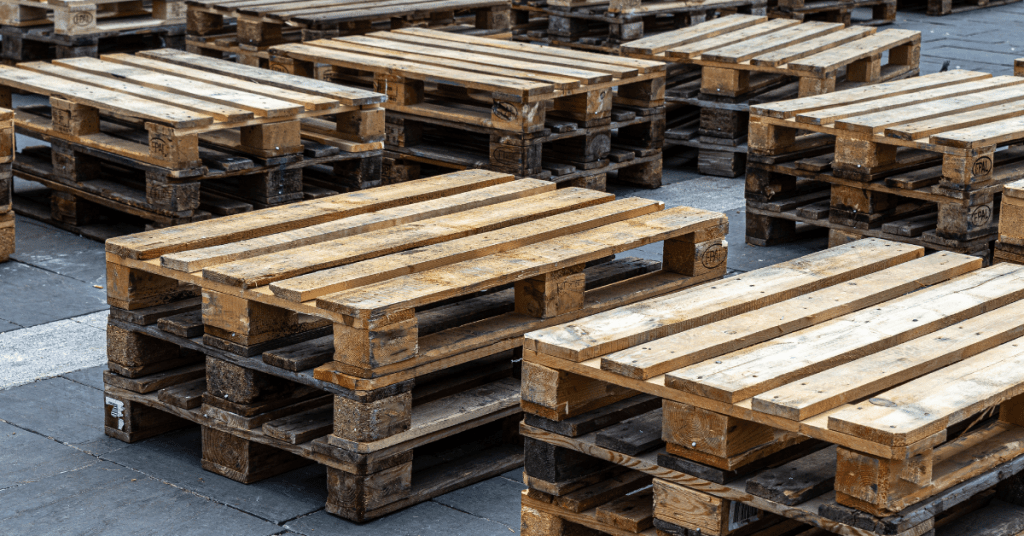
Wooden pallets new vs old

Did you know that over 2 billion wooden pallets are in circulation worldwide?   With such a staggering number, it’s important to understand whether you should choose new or used wooden pallets for your business.   This article will guide you through the factors to consider, including cost, durability, hygiene, safety, and environmental impact.   By weighing these considerations, you’ll be able to make an informed decision and find the perfect pallet solution for your needs.   Cost Considerations   When considering cost, you’ll want to determine whether new or used wooden pallets are more affordable for your needs. One important factor to consider is the reusability potential of the pallets. New wooden pallets are generally more durable and have a longer lifespan compared to used ones. This means that they can be reused multiple times before needing to be replaced. On the other hand, used pallets may have already been heavily utilised and might not last as long. However, they can still be reused if they are in good condition.   Another cost consideration is maintenance cost. New wooden pallets require minimal maintenance since they haven’t been exposed to any previous wear and tear. They are less likely to break or splinter, which reduces the risk of damage to your products during transportation. Used pallets, on the other hand, may require repairs or replacements due to existing damages such as broken boards or protruding nails.   Ultimately, determining which type of wooden pallet is more affordable depends on your specific needs and circumstances. If you have a high volume of shipments and need reliable and durable pallets with low maintenance costs, investing in new ones may be a better option. However, if you have a limited budget or don’t require long-term durability, used wooden pallets could be a more cost-effective choice for you.   Durability and Strength   To ensure durability and strength, you’ll want to consider the condition of the pallets before making a decision. When it comes to wooden pallets, their maintenance requirements and load capacity play a crucial role in determining their longevity and suitability for your needs.   Firstly, let’s talk about maintenance requirements. Used wooden pallets may have been subjected to wear and tear over time, which could affect their overall condition. You’ll need to inspect them closely for any signs of damage or decay. Look out for broken boards, loose nails, or rotting wood. If the pallets are well-maintained, they can withstand heavy use and provide reliable support for your goods.   Secondly, load capacity is another important factor to consider. Different types of pallets have varying load capacities based on their design and construction. Assess the weight of your products or materials that will be placed on the pallets and choose accordingly. Make sure that the load capacity of the chosen pallets meets or exceeds your requirements to avoid any accidents or damages during transportation or storage.   Hygiene and Safety   Inspect the pallets closely for any signs of contamination or potential hazards to ensure the hygiene and safety of your goods. Whether you choose new or used wooden pallets, it is essential to prioritise cleanliness and adhere to health regulations.   Begin by thoroughly examining the pallets for any visible dirt, debris, or stains. If you notice any foreign substances, it is crucial to clean them properly before using them for transportation or storage.   The cleaning process should involve removing all traces of dirt and grime from both the surface and crevices of the pallets. Use a mild detergent mixed with warm water to scrub away stubborn stains. Pay extra attention to areas where food products might come into contact with the wood.   Furthermore, consider sanitising the pallets after cleaning them. This step will help eliminate bacteria and prevent cross-contamination during transit or storage. Health regulations often require this additional precautionary measure to ensure that your goods remain free from harmful pathogens.   Environmental Impact   Consider the environmental impact of your supply chain by exploring alternatives to traditional wooden pallets. Making sustainable choices can help reduce your carbon footprint and contribute to a greener future.   Here are some reasons why you should consider using new or used wooden pallets:   New Wooden Pallets: – Lower carbon footprint: Opting for new wooden pallets that come from sustainably managed forests helps promote responsible forestry practices and reduces deforestation. – Longer lifespan: New pallets are more durable and can be reused multiple times, minimising waste and the need for constant replacements.   Used Wooden Pallets: – Recycling benefits: By choosing used wooden pallets, you give them a second life and prevent them from ending up in landfills, contributing to a circular economy. – Cost-effective option: Used pallets are often available at a lower cost compared to new ones, providing an economical solution while still maintaining sustainability measures.   Customisation Options   Did you know there are various customisation options available for your pallets? When it comes to wooden pallets, you have the freedom to tailor them according to your specific needs. One important aspect of customisation is wood treatment. To ensure durability and protection against pests, it’s crucial to treat the wood properly. You can choose from different treatment options such as heat treatment or chemical treatments like fumigation or pressure impregnation.   Customisation also plays a significant role in meeting shipping regulations. Depending on the destination country, there may be specific requirements for pallets used in international shipping. For instance, some countries require pallets to be treated with heat rather than chemicals to prevent the spread of invasive species. By customising your wooden pallets accordingly, you can avoid any legal issues and ensure smooth transportation of your goods across borders.   Furthermore, customisation allows you to optimise the design and functionality of your pallets. You can add features like skids, notches, or chamfers based on your specific requirements. Customisation also extends to branding opportunities by adding logos or labels onto the pallets.   Frequently Asked Questions  

Wooden Pallets To Make Furniture

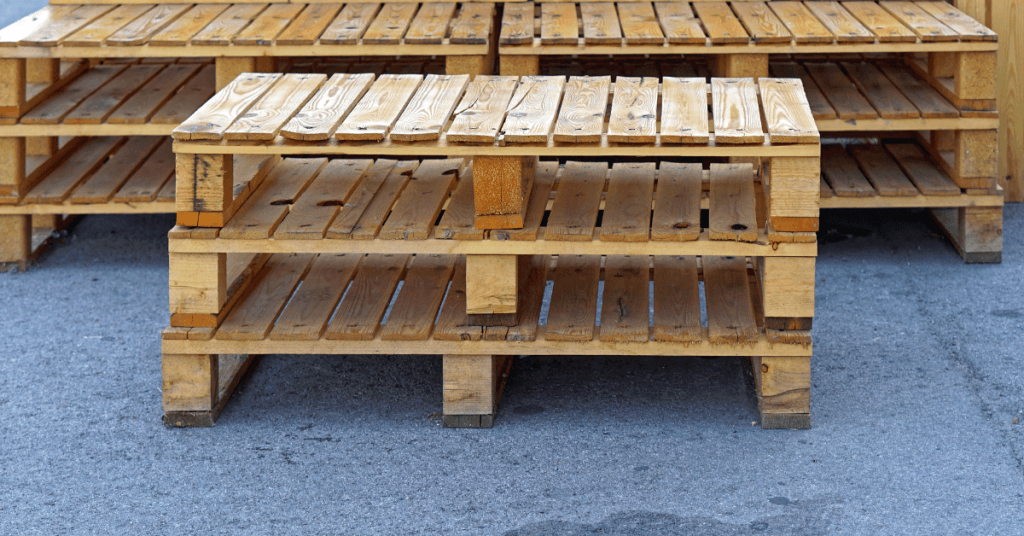
wooden pallets

Did you know that over 2 billion wooden pallets are produced each year? With so many out there, why not repurpose them and create unique furniture pieces for your home?   In this article, we’ll guide you through the process of choosing the right pallets, preparing and cleaning them, designing your furniture, using DIY techniques to build it, and finishing with a beautiful stain.   Get ready to unleash your creativity and transform those humble pallets into stunning custom-made pieces!   Choosing the Right Wooden Pallets   When choosing the right wooden pallets, it’s important to consider the size and condition of the wood. You want to make sure that you are getting pallets from reputable wooden pallet suppliers who provide high-quality products.   By using wooden pallets for your furniture projects, you can enjoy several benefits.   Firstly, wooden pallets are cost-effective. They are often cheaper than other materials used in furniture making, such as metal or plastic. This makes them a great option if you are on a budget but still want to create beautiful and functional pieces.   Secondly, wooden pallets are versatile. They can be easily transformed into various types of furniture like tables, chairs, shelves, and even beds. You can let your creativity run wild and design unique pieces that suit your style and needs.   Additionally, using wooden pallets is environmentally friendly. By repurposing old or discarded pallets, you are reducing waste and giving them a new life instead of adding to landfill sites.   Lastly, wooden pallets offer durability. When properly maintained and treated with protective coatings or finishes, they can withstand wear and tear for a long time.   Preparing and Cleaning the Pallets   Before starting, make sure you’ve gathered all the necessary materials for preparing and cleaning the pallets. Wooden pallet maintenance is essential when repurposing them to create furniture. Follow these steps to ensure your pallets are ready for their new purpose:   Inspect: Check for any signs of damage or rot on the pallets. This will help determine if they are safe to use and avoid any accidents down the line.   Clean: Remove any dirt, debris, or loose nails from the surface of the pallets. A stiff brush or pressure washer can be used to get rid of stubborn grime.   Sand: Smooth out rough edges and splinters by sanding the pallets with coarse-grit sandpaper followed by a finer grit for a polished finish.   Seal: Apply a protective sealant or stain to enhance the durability and appearance of your pallet furniture. This will also help prevent future damage caused by moisture or sunlight exposure.   Designing and Planning Your Furniture   To create your dream pieces, start by brainstorming different designs and layouts for your repurposed pallets. When it comes to designing and planning your furniture, the possibilities are endless. Consider the furniture layout that best suits your needs and space. Do you need a coffee table, a bookshelf, or maybe even a bed frame? Think about how you want your furniture to look and function.   Budget planning is an important aspect of this process. Determine how much money you are willing to spend on materials and any additional tools you may need. You can often find pallets for free or at a low cost, which makes them an affordable option for creating unique furniture pieces.   Once you have decided on the design and layout, it’s time to get creative! Use online resources or sketch out your ideas on paper. Experiment with different arrangements until you find the perfect fit for your space.   Remember to keep safety in mind when working with pallets. Inspect each piece thoroughly for any signs of damage or rot. Sand down rough edges and secure loose nails before starting construction.   With some careful planning and creativity, you can transform ordinary wooden pallets into beautiful and functional pieces of furniture that will bring charm to any room in your home.   DIY Techniques for Building Furniture   If you’re looking to build your own furniture, consider using DIY techniques that allow you to showcase your creativity and craftsmanship. One great way to do this is by utilizing upcycling techniques and repurposing ideas.   Instead of buying new materials, you can give a second life to old items and reduce waste at the same time.   Wooden pallets are an excellent resource for DIY furniture projects. With their sturdy construction and versatility, they can be transformed into beautiful pieces that add character to any space. To start, you can disassemble the pallets and use the individual planks to create a variety of furniture pieces such as coffee tables, shelves, or even bed frames.   When repurposing wooden pallets, it’s important to pay attention to safety. Make sure the pallets are in good condition and free from any harmful chemicals or pests. Sanding down rough edges and applying a protective finish will not only enhance the appearance but also ensure longevity.   Additionally, don’t be afraid to get creative with your designs! Upcycling allows for endless possibilities when it comes to customisation. You can paint or stain the wood in different colours or add unique details such as stencils or decoupage.   Finishing and Staining Your Wooden Pallet Furniture   When finishing and staining your DIY wooden pallet creations, be sure to choose a protective sealant that enhances the natural beauty of the wood.   There are various colour options available for staining wooden pallet furniture, allowing you to personalise your piece and match it with your overall decor. Whether you prefer a light or dark stain, there is a shade that will suit your taste.   To achieve a distressed finish on your wooden pallet furniture, you can employ several techniques. One popular method is using sandpaper to create a worn and weathered look. Simply sand down certain areas of the wood where natural wear would occur over time.   Another technique involves using a hammer or chains