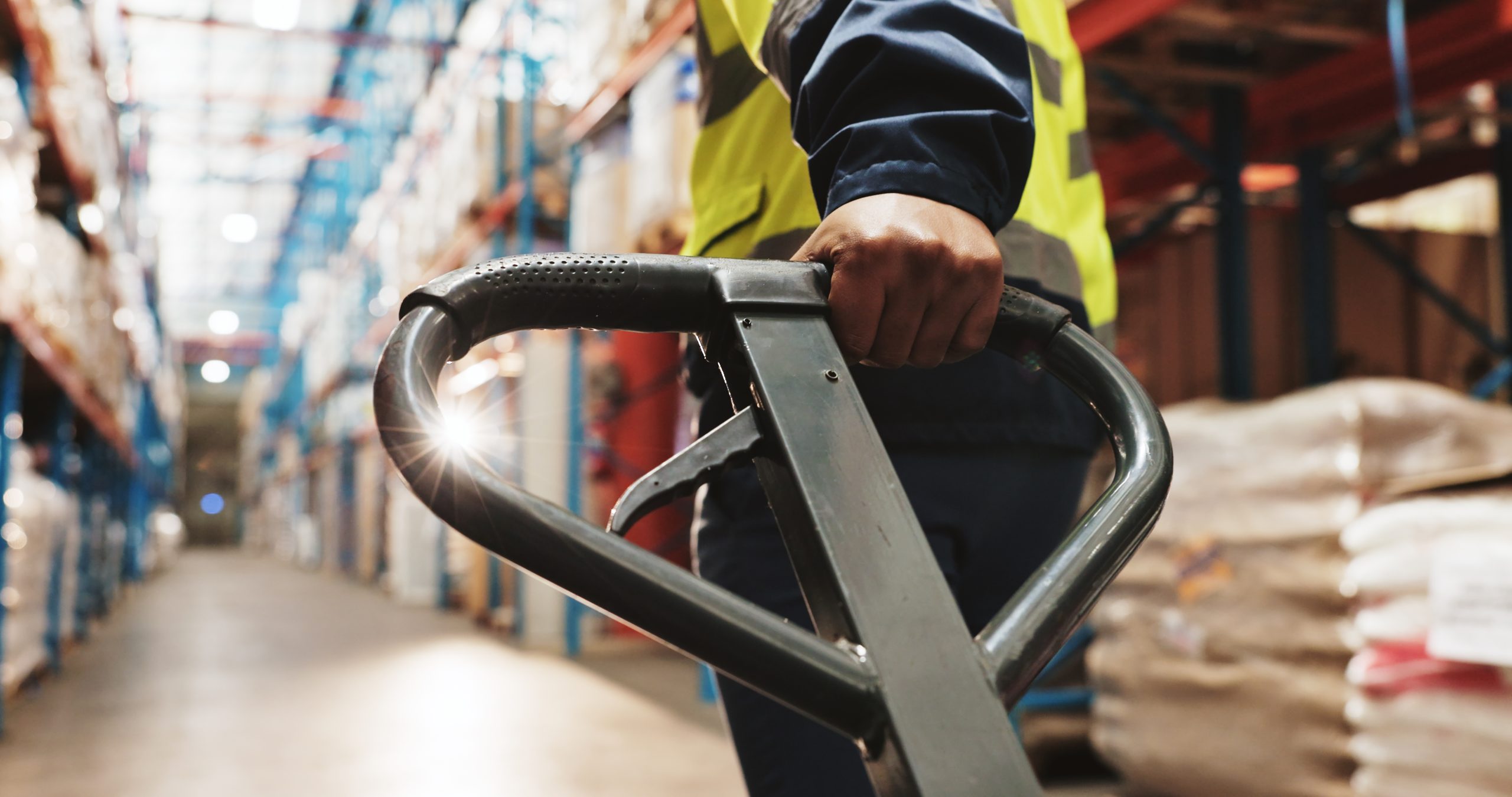
Buying pallets for your business is not as simple as picking the cheapest option. The right pallet selection can save you money, protect your goods, and keep your workers safe. This practical guide will help you make smart decisions when purchasing pallets for sale.
Understanding Pallet Quality Grades
When you start looking at pallets for sale, you will notice different quality grades. These grades tell you about the condition and strength of each pallet. Knowing what each grade means helps you match the right pallet to your needs.
Grade A pallets are in excellent condition with minimal damage. They have no broken boards, no loose nails, and look almost new. These are perfect for storing valuable goods or when you need pallets that look professional for customer deliveries.
Grade B pallets show some signs of use but remain fully functional. They might have a few stains or slight scuffs, but all boards are secure and the structure is sound. For most warehouse storage and internal operations, Grade B pallets offer the best value for money.
Recycled and refurbished pallets can also be brilliant options. At CM Pallets, we specialise in timber recycling to give pallets a second life while cutting costs and reducing environmental impact.
Key Factors in Pallet Selection
Load Capacity Requirements
The first question when buying pallets is: how much weight will they carry? Every pallet has a maximum safe working load, and exceeding this limit puts workers at risk and damages goods.
Light-duty pallets typically handle up to 500kg. These work well for lightweight products like packaging materials or textiles. Medium-duty pallets support 500kg to 1,000kg and suit most general warehouse operations. Heavy-duty pallets carry over 1,000kg and are essential for dense materials like building supplies or machinery parts.
The Health and Safety Executive pallet safety guidance emphasises that pallets must be inspected every time before use to ensure they remain safe and fit for purpose.
Size and Type Selection
Standard UK pallets measure 1200mm x 1000mm, whilst Euro pallets are slightly smaller at 1200mm x 800mm. Your choice depends on your racking systems, transport vehicles, and the goods you store.
For specialised needs, consider plastic pallets. These resist moisture, chemicals, and pests better than wooden options. Plastic pallets also weigh less, which reduces transport costs. However, wooden pallets remain the most economical choice for most businesses and can be easily repaired.
Treatment and Compliance Standards
If you export goods or receive international shipments, ISPM 15 treatment matters enormously. This international standard requires wooden pallets crossing borders to be heat-treated to kill pests and diseases.
Look for the ISPM 15 stamp on any pallets for sale intended for export use. Unstamped pallets work perfectly fine for domestic operations and often cost less. Understanding this distinction prevents unnecessary expenses.
Comparing Pallet Types for Business Use
Different pallet types suit different business needs. This comparison helps you identify the best option for your operation:
| Pallet Type | Best For | Advantages | Considerations |
| Grade A Standard | Customer-facing deliveries, high-value goods | Excellent condition, professional appearance | Higher initial cost |
| Grade B Standard | General warehouse storage, internal use | Good balance of quality and price | Minor cosmetic imperfections |
| Euro Pallets | Retail sector, specific racking systems | Standardised dimensions, widely compatible | Smaller surface area |
| Heavy-Weight Strapper | Dense materials, maximum loads | Extra strength, reinforced construction | Heavier to move manually |
| Plastic Pallets | Food industry, pharmaceutical storage | Hygienic, chemical-resistant, lightweight | Higher upfront investment |
| Recycled Timber | Budget-conscious operations, one-time use | Most economical option, environmentally friendly | Shorter lifespan |
Making the Business Pallet Purchase Decision
Calculate Your Total Costs
The cheapest pallet is not always the best value. Calculate the total cost of ownership by considering purchase price, expected lifespan, and replacement frequency.
A Grade A pallet costing £12 that lasts five years actually costs £2.40 per year. A £6 recycled pallet lasting 18 months costs £4 per year. Suddenly, the more expensive option saves money. This calculation matters especially for businesses handling pallets daily.
Consider Bulk Purchase Benefits
Buying pallets in larger quantities usually secures better rates. Most suppliers, including CM Pallets, offer discounts on bulk orders. For businesses with consistent pallet needs, establishing a regular supply arrangement brings predictable costs and guaranteed availability.
Our 24-hour guaranteed delivery means you never face production delays due to pallet shortages. This reliability is particularly valuable for businesses running just-in-time operations.
Think About Environmental Impact
Modern businesses increasingly consider sustainability in purchasing decisions. Choosing recycled or refurbished pallets reduces your carbon footprint whilst cutting costs. Wooden pallets are biodegradable and can be recycled multiple times before becoming wood chip or biomass fuel.
Working with suppliers who offer collection services for damaged pallets creates a circular economy. You send back worn-out pallets, and they return as refurbished units or recycled timber products.
Inspecting Pallets Before Use
Whether you buy new or recycled pallets, inspection is essential. Check each pallet for:
Structural integrity: Look for cracked or broken boards, loose nails sticking out, or weakened joints. Even small damage can worsen quickly under load.
Cleanliness: Pallets should be free from contamination, especially for food products or pharmaceuticals. Stains might indicate previous contact with chemicals or liquids.
Pest damage: Small holes or wood dust suggest insect infestation. Reject these pallets immediately to prevent spreading pests through your facility.
Repair quality: On refurbished pallets, check that repairs used proper materials and techniques. Poorly repaired pallets fail faster and create safety hazards.
Frequently Asked Questions
How long do wooden pallets typically last?
A well-maintained Grade A pallet in regular use lasts 3-5 years. Recycled pallets might last 12-24 months. Lifespan depends on load weights, handling methods, and storage conditions. Regular inspection and prompt repairs extend pallet life significantly.
Can I mix different pallet types in my warehouse?
Yes, but this requires careful planning. Ensure your racking systems accommodate different pallet sizes. Train staff to recognise load capacity differences between pallet grades. Mixing types works fine when managed properly, but inconsistency can complicate operations.
What makes heat-treated pallets more expensive?
The ISPM 15 heat treatment process adds time and energy costs to production. Pallets must be heated to 56°C for at least 30 minutes, then stamped with certification. This extra processing increases prices by £2-£4 per pallet. However, for export operations, this treatment is legally required.
Should I buy or hire pallets for my business?
Purchase pallets if you have consistent, ongoing needs and adequate storage space. The initial investment pays back through lower long-term costs. Hire pallets for seasonal demand spikes, one-off projects, or when storage space is limited. Calculate costs over 12 months to determine the best option for your situation.
How many pallets should I keep in stock?
Maintain enough pallets to cover 1-2 weeks of normal operations, plus 20% contingency for unexpected demand. This buffer prevents production disruptions whilst avoiding excessive storage costs. Businesses with predictable patterns can operate with lower stock levels.
Partner with Experienced Pallet Suppliers
Choosing the right pallets for sale involves understanding your specific operational needs, calculating total costs, and working with reliable suppliers. At CM Pallets, our 20 years of experience serving businesses across London, Essex, and Kent means we understand the challenges you face.
We offer personalised service that large-scale companies cannot match, combined with the bulk purchase rates and 24-hour delivery that smaller businesses struggle to provide. Whether you need Grade A standard pallets for premium operations or recycled options for cost-effective storage, we have the expertise to guide your selection.
Our family-run business focuses on building long-term relationships. We are always available to discuss your pallet requirements and help you make the best business decision. Contact CM Pallets today to discover how the right pallet selection can improve your operations whilst reducing costs.