CM Pallets

Maximising Storage Space: How Lightweight Euro Pallets Transform Small Warehouses
Lightweight Euro Pallets

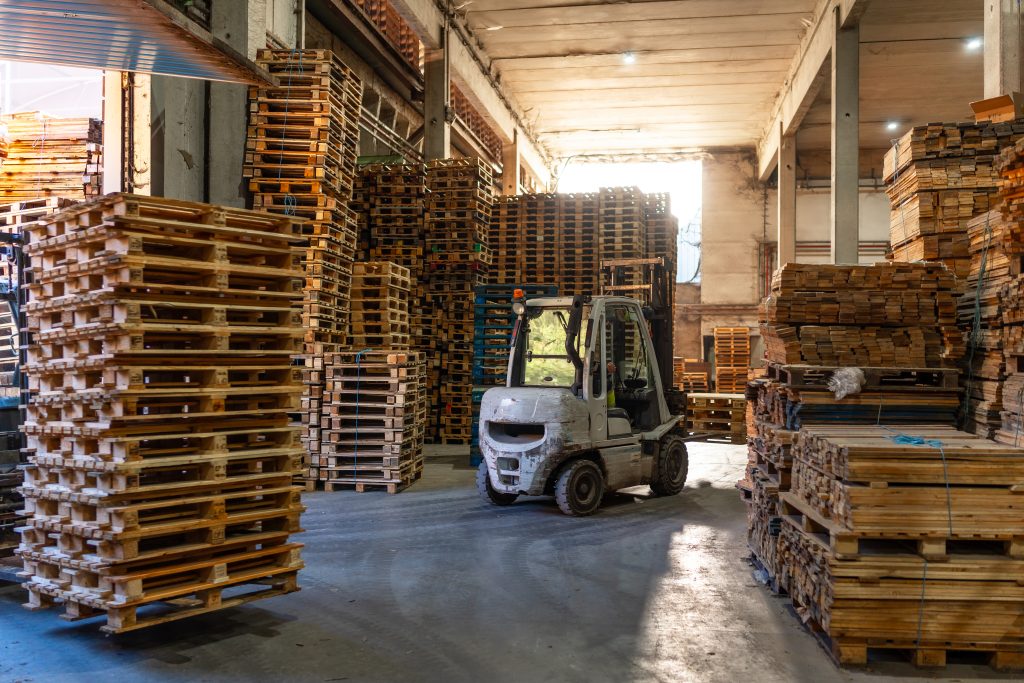
Small warehouses have a common problem: how do you store more products without expanding the building? The solution is to use better pallets. Lightweight Euro pallets help small businesses maximise their storage space efficiently.   What Are Lightweight Euro Pallets? Lightweight Euro pallets are wooden storage platforms that meet European standards. They measure 1200mm x 800mm and work with most warehouse racking systems. The important difference is that they weigh less than standard pallets whilst maintaining the same strength. Regular wooden pallets weigh about 25kg. Lightweight Euro pallets weigh 15-18kg. This weight reduction makes them easier to handle without compromising their ability to carry heavy loads.   Storage Challenges in Small Warehouses Many small warehouses don’t use their space effectively. Research shows most facilities only utilise 65% of their available height. This inefficiency costs money because you cannot store as much inventory as your space allows. Common problems include: Not using the full height of your building Heavy pallets that slow down workers Wrong pallet types that limit your storage options   How Lightweight Pallets Improve Storage   Better Space Usage These pallets work with different rack sizes – 700mm or 1100mm deep frames. This flexibility helps you use vertical space more effectively and stack pallets safely at greater heights. The lighter weight reduces stress on your racking systems, allowing higher stacking without exceeding weight limits.   Improved Worker Efficiency Lighter pallets reduce strain on your team. Workers can move them more quickly with less effort, leading to better productivity and fewer injuries. This efficiency reduces operational costs over time.   Good Compatibility Lightweight Euro pallets work well with grade A standard pallets. Grade A pallets are recycled pallets that have been refurbished to work like new ones. Using both types creates an effective storage system.   Pallet Comparison Pallet Type Weight Stacking Storage Space Handling Standard Wood 22-25kg Limited Medium Slow Lightweight Euro 15-18kg Good High Fast Grade A Standard 20-23kg Medium Medium Medium Getting Started First, check how well you currently use your space. Focus on busy areas where improvements will be most noticeable. You don’t need to change everything at once – gradual implementation works well. Train your staff on proper handling techniques to maximise the benefits of your investment.   Financial Benefits Lightweight Euro pallets cost more initiall,y but save money through: Advantages: Reduced labour costs from faster handling Fewer workplace injuries Increased storage without building expansion Longer equipment life Better inventory movement Most small warehouses recover costs within 6-12 months.   Proven Results Studies show warehouses using lightweight Euro pallets achieve 15-25% better storage efficiency. This improvement comes from better height usage, faster handling, and safer high stacking.   Frequently Asked Questions   Q: Are lightweight pallets as strong as standard ones? A: Yes. They carry the same weight but are much easier to handle.   Q: Do they work with existing racking? A: Usually yes. Euro pallets work with standard European racking systems.   Q: How much extra storage can I expect? A: Most small warehouses gain 15-25% more storage capacity.   Q: How do lightweight Euro pallets compare with Grade A standard pallets? A: Grade A pallets are refurbished or recycled ones. Lightweight Euro pallets are built to be lighter from the start. Both work well together.   Next Steps You can increase storage without expensive building work. Research from ResearchGate’s comprehensive warehouse operations study shows that effective storage requires careful planning of space and accessibility. CM Pallets has 20 years of experience helping warehouses improve efficiency. We provide 24-hour delivery and understand every metre counts in small warehouses. Ready to maximise your storage? Contact CM Pallets today to learn how lightweight Euro pallets can transform your warehouse space.

Grade A Standard Pallets UK: Premium Quality for Professional Logistics
grade a standard pallets

Grade A standard pallets are the best wooden pallets you can buy in the UK. They’re in perfect condition with no damage and offer top quality for businesses that need reliable shipping and storage solutions.   What Are Grade A Standard Pallets? Grade A pallets are the highest quality wooden pallets available. They haven’t been repaired and don’t need any fixes. UK standard pallets measure 1200mm x 1000mm and can safely hold up to 1 tonne of weight. At CM Pallet Services Ltd, we supply top-quality Grade A standard pallets. As a family business with 20 years of experience, we know these pallets offer the best value for professional logistics.   Key Features Grade A pallets have thick wooden boards and large blocks for extra strength. The gaps between boards are small, which spreads weight evenly. They look professional because they’re in excellent condition with no visible repairs. What you get: Strong construction with thick boards Large corner blocks for stability Clean appearance with no damage Weight capacity up to 1000kg   Why Choose Grade A?   Better Safety Grade A pallets meet strict safety standards. They won’t break unexpectedly, keeping workers safe and protecting your goods. The British Standards Institution sets tough rules for pallet quality, and Grade A pallets pass all tests. Professional logistics training, like that offered by the Chartered Institute of Logistics and Transport, emphasises the importance of quality equipment in supply chain safety.   Save Money Long-Term Grade A pallets cost more upfront but save money because they last longer, need fewer replacements, and protect your products better.   Work With Modern Equipment UK standard pallets work perfectly with forklifts, conveyor systems, and warehouse racking. This keeps your operations running smoothly.   Best Uses Grade A standard pallets work well for: Retail shops where customers see them Heavy manufacturing goods Export and import shipping Food and drink products High-value items   Grade Comparison Grade Condition Weight Limit Best For Grade A Perfect 1000kg Shops, premium goods Grade B Good 750kg General warehouse use Grade C Fair Varies Short-term use only Quality Standards UK pallets must meet safety rules set by government bodies. For shipping abroad, pallets need heat treatment to kill insects in the wood. This heating process makes them safe for international trade. Quality checks include testing wood quality, checking that sizes are correct, and making sure they can hold the right weight safely.   Environmental Benefits Grade A pallets help the environment because they last longer, so fewer end up as waste. At CM Pallet Services Ltd, we recycle timber and help cut your carbon footprint.   Why Choose CM Pallet Services Ltd? Our family business offers: 24-hour guaranteed delivery National coverage across the UK Best prices for bulk orders Expert advice and support Specialist recycling services We handle standard and unusual sizes. Our recycling capabilities mean we accept mixed pallet loads that other companies won’t take. For full details and pricing, visit our Grade A Standard Pallets page.   Frequently Asked Questions   What makes Grade A pallets better than other grades? Grade A pallets are in perfect condition with no repairs needed. They hold more weight (1000kg vs 750kg for Grade B) and look much better, making them ideal for customer areas and quality applications.   How long do Grade A pallets last? Grade A pallets last much longer than lower grades because they start in perfect condition. With proper handling, they can be reused many times, giving better value for money.   Can I use them for food products? Yes, Grade A pallets are perfect for food and drinks. Their clean condition meets hygiene rules. When heat-treated, they also meet all food safety requirements for shipping.   Do you take old pallets for recycling? Yes! We specialise in timber recycling and accept all pallet types, including mixed loads that others won’t handle. This reduces waste and supports your green goals.

Food Safety Revolution: Why Plastic Pallets Are Taking Over UK Food Industry
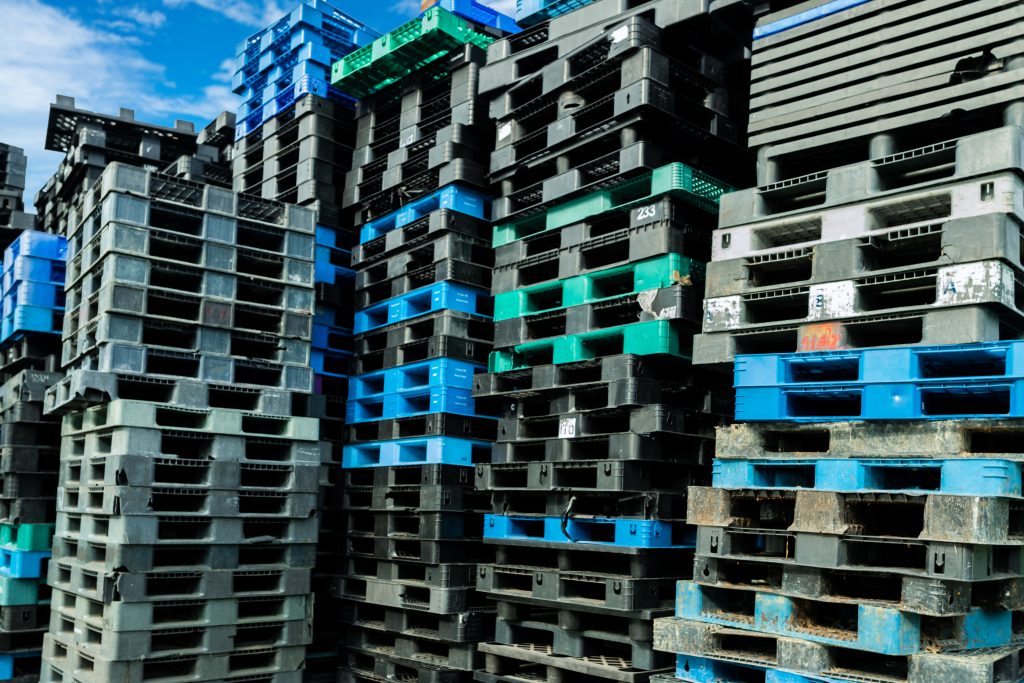
plastic pallets

The UK food industry is going through a big change. Food companies across the United Kingdom are switching from wooden pallets to plastic pallets. This isn’t just about following trends—it’s about keeping our food safe and protecting public health.   Why This Matters for Food Safety Every day, millions of products move through the UK food industry on pallets. These platforms carry everything from fresh fruits and vegetables to packaged meals. What many people don’t know is that the type of pallet used can seriously affect food safety. The non-porous surface of plastic pallets is obviously beneficial, whilst specific hygienic models will be designed with completely smooth and closed surfaces, ensuring there’s minimal opportunity for bacteria to hide and grow.   The Problem with Wooden Pallets in Food Production Wooden pallets have been used in food manufacturing for years, but they create serious risks for food security. Studies found E. coli, Listeria and Salmonella growing on wooden pallets, showing real dangers for raw foods and finished products. The main problems with wooden pallets in the food and drink sectors include: Wood soaks up liquids from raw materials like meat juices and milk spills. This creates perfect conditions for harmful bacteria to grow and spread foodborne illness throughout the supply chain. Wooden pallets have rough surfaces, splinters, and nails that can damage food packaging. There are no chips, splinters, or other breakages as with wood. They do not absorb moisture, and they dry quickly when using plastic alternatives. The porous nature of wood makes proper cleaning nearly impossible. Bacteria can hide deep inside wood fibres where cleaning products can’t reach them, creating ongoing contamination risks.   How Plastic Pallets Improve Food Safety Hygiene pallets made from plastic solve these problems and help protect the UK food industry. Plastic pallets are an excellent alternative as they are impervious to liquids, dirt, odour and other substances, making them ideal for industries that require consistent adherence to strict food safety regulations, such as dairy, meat, and seafood.   Easy Cleaning for High Quality Standards The biggest benefit is how easy plastic pallets are to clean. The smooth surface means food companies can wash them with high-pressure water, steam, or automated washing machines. All bacteria and dirt wash away completely, ensuring high quality hygiene standards.   No Physical Contamination Unlike wooden pallets, plastic pallets don’t have sharp edges or loose parts that could contaminate food. This means less damage to packaging and safer working conditions for staff in the manufacturing sector.   Meeting UK Food Regulations To adhere to UK food laws and strict health and safety standards, manufacturers and suppliers must use hygiene pallets when transporting goods. Food handling must meet standards set by the Food Standards Agency (FSA), UK Health and Safety Executive (HSE), making plastic pallets essential for compliance.   Real Benefits for UK Food Companies   Long-Term Cost Savings Though plastic pallets cost more at first, they save money over time. Plastic pallets last for around 10 years, but in just five years, you could save as much as £189,000 when using plastic pallets instead of wooden pallets.   Better for Modern Food Production Today’s food manufacturing relies on automated systems. Because of their consistent size, plastic pallets “work extremely, extremely well” with automation and robotics, helping improve efficiency in food production facilities.   Environmental Benefits Plastic pallets are actually better for the environment than wooden ones. Operating in a closed loop cycle, old plastic pallets are taken away, ground into pellets and used to make new plastic pallets that last for years.   Different Types for Different Needs At CM Pallets, we know that the food industry has varied needs. That’s why we offer different types of plastic pallets: Pallet Type Best For Key Benefits Medium Weight Euro General food products Standard size, reliable Lightweight Euro Frequent handling Easy to move, saves costs Heavy Weight Strapper Dense products Extra strength for heavy loads Plastic Pallet Critical hygiene areas Food-grade, easy cleaning Food-Grade Materials Matter For direct contact with raw foods, it is required to be made from virgin-grade plastic to ensure source traceability of the material and conformity to the accreditation. This ensures the highest safety standards for food retail and food manufacturing operations.   The Global Movement The switch to plastic pallets isn’t just happening in the United Kingdom. Companies worldwide are making this change for food safety reasons. This shows that plastic pallets aren’t a temporary trend—they’re becoming the standard for safe food transport.   Making the Switch: What You Need to Know   Compliance Made Simple Using plastic pallets helps UK food companies follow strict safety rules more easily. They’re simpler to clean and don’t create the bacteria risks that wooden pallets do.   Staff Training When switching to plastic pallets, companies need to train workers on cleaning procedures. The good news is that plastic pallets are easier to maintain than wooden ones.   Investment Returns The initial cost pays off through fewer replacements, less product damage, lower cleaning costs, and reduced risk of food safety problems that could harm your business.   Why Choose CM Pallets At CM Pallets, we understand the challenges facing the UK food industry. Our plastic pallets meet all UK safety standards and help protect food throughout the supply chain. With 20 years of experience, our family-run business offers personal service with professional expertise. We provide 24-hour guaranteed delivery because we know food businesses can’t afford delays. Our plastic pallets help food companies because they: Meet all UK food safety requirements Are simple to clean and maintain Last much longer than wooden alternatives Reduce contamination risks Work perfectly with modern equipment   The Future is Here The move towards plastic pallets will continue as food safety rules get stricter and consumers demand better standards. Companies making the switch now are already seeing benefits in safety, costs, and compliance. For food businesses considering the change, the benefits are clear. The technology works, the savings are real, and the safety improvements are proven.

Brexit Impact on UK Pallet Standards: ISPM-15 Compliance Guide

uk pallet standards

Brexit has brought big changes to how UK businesses handle wooden pallets and wood packaging materials. If you’re moving goods between Britain and Europe through import and export, you now need to know about ISPM-15 compliance. This guide explains what these changes mean for your supply chain and how to stay compliant.   What Changed After Brexit? Before 1st January 2021, wooden pallets and wood packaging materials could move freely between the UK and the European Union without special treatment. After Brexit, the UK became a ‘third-party trading nation’ with EU countries. This means all wooden packaging material moving between Great Britain and the European Union must now meet ISPM-15 international standards for phytosanitary measures. The transition period ended on 31st December 2020, giving businesses time to prepare their supply chains. The legal burden falls on the end pallet user – the company that selects the shipping destination.   Understanding ISPM-15 Standards ISPM-15 stands for International Standard for Phytosanitary Measures No. 15. It’s one of 24 international standards for phytosanitary measures designed to protect humans, animals, and plants from pests and diseases that can travel in wooden packaging. The standard requires wooden pallets to be heat-treated to eliminate possible parasites and stamped to confirm this treatment. This phytosanitary measure ensures all wood packaging materials are heated to at least 56°C for 30 minutes minimum. The heat treatment process kills harmful bugs and pests that could damage forests and crops in other countries.   The ISPM-15 Mark Every heat-treated pallet must bear an authentication mark recognised worldwide. This consists of the IPPC logo (an ear of maize with “IPPC” next to it), followed by the two-letter country code. The mark identifies the producer and shows how the wooden packaging has been treated to meet ISPM 15 regulations.   Current UK Pallet Standards Post-Brexit Here’s how Brexit affects different types of pallet movements:   Great Britain to EU Countries Required: Heat treatment and ISPM 15 compliant marking Inspections: Risk-based checks may occur   EU to Great Britain Required: Heat treatment and proper marking Inspections: Risk-targeted basis only   Northern Ireland Special Rules The rules for Northern Ireland are different due to special arrangements. Pallets and wood packaging materials moving from Northern Ireland to EU countries don’t need ISPM 15-compliant treatment. However, wooden packaging moving from Great Britain to Northern Ireland does need to meet these standards.   Domestic UK Movements ISPM 15 regulations don’t affect pallets moving between England, Wales, Scotland, or the Channel Islands.   Types of Pallets and Compliance Requirements Not all wooden packaging needs heat treatment under ISPM 15 regulations. Here’s what’s included across different pallet sizes and materials:   Requires Heat Treatment: Standard wooden pallets (all pallet sizes) Grade A Standard pallets Lightweight Euro pallets Heavy-duty timber pallets Wooden pallets crates and boxes Pallet collars   Exempt from Heat Treatment: Plastic pallets, plywood products, raw wood 6mm thick or less, barrels for wines and spirits, and gift boxes made from processed wood. Pallet Type Heat Treatment Required Common Use Standard wooden pallets ✓ General freight Euro pallets ✓ International trade Plastic pallets ✗ Clean environments Plywood pallets ✗ Light goods How to Ensure Compliance   For Businesses Using Pallets You should specify ISPM 15 regulations requirements in your contracts with exporters. This protects you if the packaging fails inspection. Always check that pallets have the proper heat treated mark before using them for international shipments.   For Pallet Producers To produce ISPM 15-compliant packaging, you must join the UK Wood Packaging Material Marking Programme and have six-monthly assessments. The process involves heating wood to 56°C core temperature for 30 minutes, applying the official stamp, and providing certificates.   Economic Impact on Business Operations The long-term economic impact of these new ISPM 15 regulations affects businesses differently across various sectors. Understanding the term economic implications helps companies plan their supply chain investments. Immediate costs include: Higher prices for heat-treated pallets Additional documentation requirements Potential border delays affecting delivery schedules Staff training on compliance Long-term benefits include: Reduced risk of pest contamination Better international trade relationships Improved environmental protection More standardised global operations The economic impact varies by business size and export volume. Smaller companies may face proportionally higher costs, whilst larger operations can often absorb compliance expenses more easily.   The Role of UK Authorities In the UK, standards are enforced by the Forestry Commission, which is the National Plant Protection Organisation. They authorise the use of the IPPC mark to ensure pallets are compliant. The Forestry Commission provides guidance through its comprehensive UK Forestry Standard, which sets the technical framework for sustainable forest management across Britain. This standard ensures that all wooden packaging materials meet both environmental and safety requirements.   Future Outlook and Supply Chain Adaptation Industry associations continue working to ensure adequate stocks of heat treated, ISPM 15 compliant pallets. They advocate for risk-based enforcement approaches to minimise supply chain disruption. Businesses can expect continued investment in heat treatment facilities, improved efficiency in compliance processes, and better coordination between UK and EU authorities. Some companies are also considering plastic pallets as an alternative to avoid the wood packaging materials requirements entirely.   Making the Transition Smooth For businesses adapting to post-Brexit requirements: Review your supply chain: Identify where you use wooden packaging Update contracts: Include heat treatment requirements in agreements Train staff: Ensure teams can recognise ISPM 15 compliant packaging Build relationships: Work with trusted suppliers who understand compliance Plan ahead: Allow extra time for heat-treated packaging procurement   Working with CM Pallets As a family-run business with two decades of experience, CM Pallets understands the challenges Brexit has brought to the pallet industry. We specialise in both standard and non-standard pallet sizes, offering regional and national services tailored to your needs. Our expertise includes ISPM 15-compliant pallet supply, mixed pallet recycling capabilities, 24-hour guaranteed delivery, and carbon footprint reduction solutions. We handle everything from Grade A Standard pallets to lightweight Euro options, ensuring your business stays compliant while maintaining efficient operations.   Frequently Asked

Pallet Rental vs Pallet Buying: Complete Cost Analysis Guide for UK Businesses

pallet buying

Most UK businesses save money buying pallets after 12-18 months. But pallet rental works better for seasonal businesses with changing needs. Choosing between pallet rental and pallet buying affects your business costs more than you might think. This guide helps you pick the right option for transporting goods in 2025.   Understanding Your Options Pallet buying means you purchase wooden pallets and own them completely. You handle storage, repairs, and replacements yourself. Pallet rental (or pallet hire service) means you pay to use pallets without owning them. The rental company delivers, tracks, and collects them for you.   Cost Comparison for 2025 Buying Costs Pallet Type New Price Used Price Lifespan Standard pallets (1200x1000mm) £5.95-£26.50 £3.50-£10.90 3-5 years Euro pallets £6.50-£9.50 £4.00-£6.50 2-4 years Heat-treated ISPM 15 £8.00-£15.00 £5.00-£9.00 3-5 years Extra costs: Storage (£1.50-£5.00 weekly), repairs (£2-£5 yearly per pallet), replacements.   Rental Costs Daily rate: £1.20-£1.50 per pallet Service fee: £3-£8 per pallet (one-time) Transport: £2-£6 per delivery Example: 100 pallets used year-round costs £43,800-£54,750 annually through rental, versus £800-£2,650 to buy the same quality pallets.   When Buying Makes Sense Best for: Businesses with steady, predictable needs. You save money after 12-18 months Complete control over your wide range of pallets No daily rental charges are adding up Can sell used pallets later Perfect for internal use or short delivery chains Manufacturing companies and warehouses with consistent operations typically benefit most from buying high-quality pallets.   When Rental Works Better Best for: Businesses with changing or seasonal needs. A pallet rental service handles complex logistics for you: No upfront costs for large quantities Flexibility for busy and quiet periods Professional cleaning and maintenance included No storage space needed Perfect for event organisers and seasonal businesses Food companies often prefer renting pallets because rental companies ensure proper cleaning between uses.   Industry-Specific Guidance Manufacturing: Buy pallets for consistent, long-term use. The cost savings become significant over time. Retail: Mix both options – buy for core needs, rent extra capacity during peak seasons. Food & Beverage: Consider rental for hygiene standards and professional maintenance. Events: Short-term rental works perfectly for temporary needs.   Making Your Choice Ask yourself these questions: Do you use the same number of pallets each month? Do pallets stay on-site or travel to many locations? Can you store pallets when not needed? Do you need special sizes or heat-treated pallets? Steady usage + storage space = buying usually wins. Changing needs + complex distribution = rental often better   Sustainability Benefits Both options support environmental goals differently. Buying extends pallet life through careful maintenance. Renting shared pallets across multiple businesses, reducing the total pallets needed. According to WRAP (The Waste and Resources Action Programme), pallet recycling and reuse services help businesses meet sustainability targets by keeping materials in circulation rather than sending them to landfill.   Getting Started At CM Pallets, we provide both new and reconditioned wooden pallets across our range of pallets. Our family business offers personal service with 20 years of experience helping UK companies make smart pallet decisions. Whether you need Grade A Standard pallets for heavy loads or Lightweight Euro pallets for efficient handling, we help you choose the most cost-effective solution. Contact us today for expert advice on pallet buying or to discuss your specific requirements.   Frequently Asked Questions   1. How long do wooden pallets last? Quality pallets typically last 3-5 years with proper care. Indoor storage and gentle handling can extend this to 6+ years.   2. Can I use both buying and renting? Yes! Many businesses buy pallets for core needs and rent additional capacity during busy periods.   3. What if rental pallets get lost? Loss charges range from £25-£60 per pallet. Always track pallets carefully and train staff on proper handling.   4. Are heat-treated pallets necessary? ISPM 15 heat-treated pallets are required for international shipping. Domestic use within the UK doesn’t need this treatment.

How Our Pallet Collection Service Helps You Stay Compliant & Eco-Friendly

Environmental regulations surrounding waste disposal continue to tighten, making responsible pallet management crucial for Essex businesses. At CM Pallets, our pallet collection service goes beyond simple removal, providing a comprehensive solution that ensures regulatory compliance whilst supporting your sustainability objectives. Understanding how professional pallet removal contributes to environmental responsibility helps businesses make informed decisions about their waste management strategies. The Environmental Challenge of Pallet Disposal Scale of the Problem The UK generates millions of used pallets annually, with Essex businesses contributing significantly to this volume through manufacturing, distribution, and retail operations. Traditional disposal methods often result in valuable timber resources ending up in landfill sites, representing both environmental waste and missed opportunities for sustainable resource management. Regulatory Landscape Current waste disposal regulations require businesses to demonstrate responsible handling of all waste materials, including wooden pallets. The Environmental Protection Act places specific obligations on businesses to ensure proper disposal chains, with documentation requirements that many companies find challenging to navigate independently. Carbon Footprint Considerations Manufacturing new pallets requires substantial energy inputs, from timber harvesting through processing and transportation. When businesses dispose of reusable pallets whilst simultaneously purchasing new ones, they contribute unnecessarily to carbon emissions and resource depletion. Our Sustainable Pallet Processing Approach Comprehensive Assessment and Sorting When our team collects pallets for collection from your Essex premises, every item undergoes detailed assessment at our processing facility. This evaluation determines the most environmentally beneficial outcome for each pallet, ensuring maximum resource utilisation and minimal waste generation. Our trained assessors examine structural integrity, timber quality, and potential contamination issues, categorising pallets into distinct processing streams. This systematic approach ensures that every pallet achieves its highest possible environmental value rather than defaulting to disposal options. Refurbishment and Reuse Programme Pallets in good structural condition enter our comprehensive refurbishment programme, where skilled craftspeople restore them to industry standards. This process includes replacing damaged deck boards, reinforcing weakened joints, and treating any minor structural issues that might affect performance. Refurbished pallets are then returned to circulation through our extensive network of businesses requiring quality pallet solutions. This approach extends pallet lifecycles significantly, with many items serving additional years before requiring final processing. Advanced Recycling Processes Pallets beyond economical repair don’t become waste in our facility. Instead, they enter sophisticated recycling processes designed to extract maximum value from their component materials. Timber components are processed into biomass fuel, supporting renewable energy generation whilst diverting materials from landfill disposal. Metal components, including nails and reinforcement hardware, are separated and sent to specialist recycling facilities where they’re processed into new metal products. This comprehensive approach ensures that over 95% of collected materials avoid landfill disposal. Compliance Benefits for Essex Businesses Complete Documentation Services Our pallet removal service provides comprehensive documentation that supports your environmental compliance requirements. Every collection includes detailed waste transfer notes, specifying quantities, materials, and intended processing methods, ensuring your business maintains complete audit trails. We also provide environmental impact reports detailing the outcomes achieved through our processing methods, including quantified carbon savings and waste diversion statistics. This documentation proves invaluable for sustainability reporting and environmental management system requirements. Duty of Care Compliance Under current regulations, businesses maintaining a duty of care for their waste materials until final processing. Our licensed facility operations and comprehensive documentation ensure this duty is properly discharged, protecting your business from potential compliance issues. Our team maintains all necessary permits and licences for waste handling and processing, with regular inspections ensuring continued compliance with evolving environmental standards. This professional approach provides peace of mind that your pallet removal meets all regulatory requirements. Risk Mitigation Improper waste disposal can result in significant penalties and reputational damage for businesses. Our established compliance processes and professional expertise eliminate these risks, ensuring your pallet management supports rather than threatens your business operations. Environmental Benefits of Professional Collection Carbon Footprint Reduction Choosing professional pallet collection services delivers measurable environmental benefits. Our refurbishment processes require significantly less energy than manufacturing new pallets, whilst our recycling operations convert waste materials into useful products rather than allowing them to decompose in landfill sites. Our Essex-based operations reduce transportation distances compared to national providers, further minimising the carbon footprint associated with your pallet removal. Route optimisation technology ensures maximum efficiency for every collection journey. Resource Conservation Every pallet we refurbish represents avoided demand for new timber resources. Given the pressure on global forest resources, this conservation benefit extends far beyond immediate business operations, contributing to broader environmental sustainability objectives. Our recycling processes also support circular economy principles, ensuring that materials maintain economic value throughout their lifecycle rather than becoming waste products requiring disposal. Waste Stream Diversion Landfill sites receive enormous volumes of wooden waste that could be productively processed through proper recycling channels. Our comprehensive processing approach diverts these materials into beneficial uses, reducing pressure on disposal facilities whilst creating value from apparent waste. What Happens to Your Collected Pallets Stage 1: Collection and Transportation Our professional collection teams arrive with appropriate vehicles and equipment to safely remove pallets for collection from your premises. During loading, we conduct initial assessments, identifying obviously valuable items that warrant priority processing. Transportation to our Essex facility follows optimised routes designed to minimise environmental impact whilst ensuring secure handling of your materials. Our vehicles are equipped with proper restraint systems that prevent damage during transit. Stage 2: Detailed Assessment At our processing facility, qualified assessors examine every collected pallet using established criteria that consider structural integrity, timber quality, and potential applications. This thorough evaluation ensures appropriate processing decisions that maximise environmental and economic value. Items requiring minor repairs are flagged for refurbishment processes, whilst those with significant damage are directed toward recycling operations. Contaminated pallets receive specialised handling to ensure safe processing and disposal of any hazardous materials. Stage 3: Processing and Value Recovery Refurbishment operations restore viable pallets to industry standards, often involving timber replacement, joint reinforcement, and quality finishing that extends usable life significantly. These restored pallets then supply businesses seeking cost-effective, environmentally responsible pallet solutions. Recycling processes break down irreparable

The Hidden Value of Used Pallets: How to Earn Money & Clear Space

Many Essex businesses view accumulated pallets as a disposal problem, but what if we told you those seemingly worthless wooden structures stacked in your warehouse could actually put money back into your business? The pallet industry operates on a circular economy model where quality used pallets retain significant value, and understanding this hidden market can transform your approach to pallet management from cost centre to revenue opportunity. Understanding the Value in Used Pallets The Thriving Second-Hand Pallet Market The demand for quality used pallets across Essex and the UK remains consistently strong. Manufacturing businesses, agricultural operations, and export companies actively seek cost-effective pallet solutions, making the second-hand market robust and profitable. Rather than viewing pallets for collection as waste disposal, forward-thinking businesses are discovering cash for pallets programmes that reward quality over quantity. Why Used Pallets Command Value Several factors contribute to the continued value of used pallets. Manufacturing new pallets requires significant timber resources, energy, and labour costs, making quality used alternatives attractive to budget-conscious buyers. Additionally, seasoned wood in used pallets has already undergone natural drying processes, potentially making them more stable than newly manufactured alternatives. Market Demand Drivers Export businesses particularly value used pallets for single-use shipments where return logistics make new pallet investment impractical. Agricultural sectors require substantial pallet quantities for seasonal operations, creating predictable demand cycles. Small manufacturers and artisanal producers often prefer the character and cost-effectiveness of quality used pallets over pristine new alternatives. When to Sell vs When to Dispose Pallets Worth Selling Not every pallet qualifies for cash for pallets programmes, but understanding the criteria helps maximise your returns. Euro pallets (EPAL marked) and UK standard pallets in good structural condition typically command the highest prices. Look for pallets with intact corner blocks, minimal nail protrusion, and no significant structural damage such as cracked bearers or broken deck boards. Heat-treated pallets (marked HT) hold premium value due to their export compliance, whilst pallets showing evidence of quality construction – such as proper nail patterns and quality timber – indicate durability that buyers appreciate. Generally, pallets requiring only minor cosmetic improvements rather than structural repairs represent the best selling opportunities. When Disposal Makes More Sense Certain pallet conditions make disposal the more practical option than pursuing cash for pallets opportunities. Pallets with significant structural damage, such as broken bearers, multiple cracked deck boards, or compromised corner blocks, typically cost more to repair than their potential resale value justifies. Pallets contaminated with oils, chemicals, or other substances that could pose health risks should always be disposed of through proper channels rather than sold. Similarly, pallets showing evidence of pest infestation, significant rot, or repeated amateur repairs often lack the structural integrity buyers require. The Grey Area: Assessment Considerations Some pallets fall into a middle category where the sell-versus-dispose decision requires careful evaluation. Pallets with minor structural issues might be suitable for sale to buyers planning specific applications, whilst those with cosmetic damage but sound structure often retain value for industrial use rather than retail applications. Consider the time and effort required for preparation against potential returns. Sometimes, mixed loads containing both sellable and disposable pallets can be processed together, with buyers sorting valuable items and handling disposal of remainder pallets as part of their service. How to Prepare Pallets for Collection or Sale Initial Assessment and Sorting Begin by conducting a thorough assessment of your pallet inventory, separating items by condition and type. Create distinct categories: premium condition pallets suitable for immediate resale, good condition pallets requiring minor preparation, damaged pallets needing evaluation, and clearly disposable items requiring proper waste management. Document quantities in each category, as this information helps pallet buyers provide accurate valuations and ensures you understand the full scope of your inventory. Take photographs of representative samples from each category, particularly for premium items that might command higher prices. Basic Preparation Steps Quality preparation can significantly impact the value of pallets for collection. Remove any attached debris, packaging materials, or labels that might detract from the pallet’s appearance or functionality. Check for protruding nails and hammer them flush with the surface to improve safety and appearance. Clean pallets using appropriate methods for their intended use – dry brushing for light debris, pressure washing for more stubborn contamination, though ensure pallets dry thoroughly before collection to prevent mould or rot issues. Stack similar pallets together in stable, accessible piles that facilitate easy loading and transport. Documentation and Compliance Maintain records of pallet origins, particularly for heat-treated items where documentation supports their export compliance value. If your business operates in food, pharmaceutical, or chemical sectors, provide relevant information about the pallets’ service history to help buyers understand appropriate applications. Prepare any relevant paperwork, including waste transfer documentation if required, and ensure collection access is available during agreed timeframes. Clear communication about quantities, conditions, and access arrangements helps streamline the collection process and often results in better pricing. Maximising Your Pallet Value Timing Your Sales Understanding market cycles can help optimise returns from cash for pallets programmes. Agricultural seasons create predictable demand spikes, whilst export businesses often require larger quantities during specific trading periods. Building relationships with pallet buyers helps you understand these cycles and time your sales accordingly. Consider accumulating pallets over time rather than disposing of small quantities immediately. Larger lots often command better per-unit prices and justify collection costs more effectively than frequent small collections. Quality Over Quantity Approach Focus on identifying and preserving your highest-quality pallets rather than attempting to sell everything. Premium pallets in excellent condition can command significantly higher prices than average items, making selective selling more profitable than bulk disposal. Invest time in proper storage for valuable pallets, keeping them dry and stable to prevent deterioration whilst you accumulate sufficient quantities for cost-effective collection. CM Pallets Cash for Pallets Service Our Essex Collection Programme At CM Pallets, we operate a comprehensive cash for pallets service across Essex, evaluating your used pallet inventory and offering competitive prices for quality items. Our experienced assessors understand the nuances of

Need Pallet Removal in Essex? Here’s How Our Fast & Reliable Service Works

When your business accumulates unwanted pallets, finding a reliable removal service shouldn’t be a headache. At CM Pallets, we’ve streamlined our pallet removal process across Essex to make it as straightforward and efficient as possible for businesses of all sizes. Whether you’re dealing with damaged wooden pallets, excess plastic pallets, or simply need to clear space in your warehouse, our comprehensive service ensures your pallets are collected, processed, and disposed of responsibly. How Our Pallet Removal Service Works Our pallet removal process in Essex is designed with efficiency and customer convenience at its core. Here’s exactly what happens when you choose CM Pallets for your removal needs: Step 1: Initial Assessment When you contact us, our team conducts a thorough assessment of your pallet removal requirements. We’ll discuss the quantity of pallets, their condition, accessibility at your premises, and your preferred collection timeframe. This initial consultation allows us to provide you with an accurate quote and ensure we arrive with the appropriate equipment and vehicle capacity. Step 2: Flexible Scheduling We understand that businesses operate on tight schedules, which is why we offer flexible collection slots throughout Essex. Our team can arrange collections during standard business hours, early morning, or late afternoon to minimise disruption to your operations. We’ll confirm your preferred time slot and provide a specific collection window, so you know exactly when to expect us. Step 3: Professional Collection On collection day, our trained operatives arrive with the necessary equipment to safely and efficiently remove your pallets. We handle all the heavy lifting, loading, and securing of pallets onto our vehicles. Our team is fully insured and follows strict health and safety protocols to protect both your premises and our staff during the removal process. Step 4: Responsible Processing Once collected, we transport your pallets to our Essex facility where they undergo sorting and processing. Reusable pallets are refurbished and returned to circulation, whilst damaged pallets are broken down for recycling. This approach ensures minimal waste reaches landfill sites, supporting both environmental sustainability and waste compliance regulations. Key Benefits of Choosing CM Pallets Fast Response Times Our Essex-based operation means we can respond quickly to your pallet removal requests. In most cases, we can arrange collection within 24-48 hours of your initial enquiry, and for urgent removals, same-day service may be available depending on scheduling and location. Complete Waste Compliance Navigating waste disposal regulations can be complex, but with CM Pallets, you can rest assured that all removals comply with current environmental legislation. We provide proper waste transfer documentation and ensure all materials are processed through licensed facilities, protecting your business from potential compliance issues. Comprehensive Essex Coverage Our service extends throughout Essex, covering major towns and cities including Chelmsford, Colchester, Basildon, Southend-on-Sea, Harlow, Brentwood, and everywhere in between. Our local knowledge means we can navigate efficiently to your premises and provide reliable service regardless of your location within the county. Competitive Pricing We offer transparent, competitive pricing for pallet removal across Essex. Our quotes include collection, transportation, and processing costs with no hidden fees. For regular customers, we can arrange ongoing contracts with preferential rates, making your pallet management more cost-effective. Environmental Responsibility Sustainability is integral to our service approach. By choosing CM Pallets, you’re supporting a circular economy where materials are reused and recycled rather than discarded. This not only reduces environmental impact but can also enhance your business’s sustainability credentials. Types of Pallets We Remove Our Essex pallet removal service accommodates various pallet types and conditions: Wooden Pallets: Including standard Euro pallets, UK standard pallets, and bespoke wooden pallets in any condition from excellent to heavily damaged. Plastic Pallets: All varieties of plastic pallets, from lightweight one-way pallets to heavy-duty industrial plastic pallets. Metal Pallets: Steel and aluminium pallets of all sizes, including specialist pharmaceutical and food-grade metal pallets. Mixed Collections: We can handle collections containing multiple pallet types, sorting them appropriately during processing. Frequently Asked Questions How quickly can you collect our pallets? Most collections in Essex can be arranged within 24-48 hours of your enquiry. For urgent removals, same-day service may be possible depending on our scheduling and your location. Do you provide documentation for the removal? Yes, we supply all necessary waste transfer documentation to ensure your business remains compliant with environmental regulations. This includes detailed records of what was collected and how it was processed. Is there a minimum quantity for collection? We don’t impose strict minimum quantities, though small collections may incur additional handling charges. We’ll discuss this transparently during your initial enquiry. What if our pallets are in hard-to-reach locations? Our experienced team can handle challenging access situations. During the initial assessment, we’ll evaluate access requirements and ensure we arrive with appropriate equipment. Can you collect pallets outside normal business hours? Yes, we offer flexible scheduling including early morning and late afternoon collections to suit your operational requirements. Ready to Schedule Your Pallet Removal? Don’t let unwanted pallets take up valuable space in your Essex facility. Our professional pallet removal service takes the hassle out of disposal whilst ensuring environmental compliance and supporting sustainable practices. Getting started is simple: Contact our team today to discuss your pallet removal requirements. We’ll provide a transparent quote and arrange collection at a time that suits your business schedule. With our fast response times, comprehensive Essex coverage, and commitment to responsible processing, CM Pallets is your trusted partner for efficient pallet removal. Transform your cluttered warehouse into organised, productive space. Schedule your pallet removal with CM Pallets today and experience the difference that professional, reliable service makes to your business operations.

Food Industry Standards: Why Grade A Pallets Are Mandatory for Safe Transport

Grade A Pallets

When you buy groceries, you probably don’t think about how those products reached the shelves safely. But behind every packet of biscuits, bottle of milk, or fresh apple is a complex transport system that must keep food safe from contamination. One crucial part of this system is often overlooked: the humble pallet. Grade A Standard Pallets aren’t just wooden platforms – they’re the foundation of safe food transport. In an industry where contamination can cause serious illness or even death, choosing the right pallets isn’t optional. It’s essential.   What Makes Food Transport Different? Food products face unique risks during transport that other goods don’t. Unlike toys or electronics, food can spoil, become contaminated, or pick up harmful bacteria. Once contamination happens, it can spread quickly and cause serious health problems. The Centers for Disease Control and Prevention (CDC) estimates that each year 48 million people get sick from a food-borne illness, 128,000 are hospitalised, and 3,000 die. These aren’t just statistics – they represent real people who became ill from contaminated food. This is why the food industry has strict rules about every part of the supply chain, including the pallets used to transport products. The Food Safety Modernisation Act (FSMA) changed how food safety works in America, shifting focus from responding to problems to preventing them in the first place.   Understanding Grade A Standard Pallets Not all pallets are created equal. The food industry uses a grading system to classify pallets based on their condition and safety. This system helps ensure that only the safest, highest-quality pallets carry our food.   The Pallet Grading System Grade A Pallets represent the highest standard for recycled pallets. These pallets are in exceptional condition, with no stringer repairs and only minor discoloration or superficial imperfections. They look almost new and provide the reliability that food transport demands. Grade B Pallets show more wear and tear. They may be worn and discolored or have previous stringer repairs with either metal plates and fasteners or supporting blocks. While suitable for some uses, they don’t meet the strict standards required for food transport.   Why Grade A Standard Pallets Matter Grade A Standard Pallets offer several advantages crucial for food safety: Structural Integrity: These pallets maintain their shape and strength, preventing products from shifting or falling during transport. This stability protects both the food and the packaging that keeps it safe. Cleanliness: With minimal wear and no repairs, Grade A pallets have fewer places for bacteria to hide. Their smooth surfaces are easier to clean and inspect. Reliability: Food companies can’t afford pallet failures during transport. Grade A pallets provide consistent performance that keeps products safe from collection to delivery.   FSMA Requirements for Food Transport The Food Safety Modernisation Act revolutionised food safety in America. The FDA was given the mandate to formulate standards for food processing, handling, and transportation. These rules don’t just apply to food processing plants – they cover every step of the journey from farm to shop.   Transportation Equipment Standards Under FSMA, the design and maintenance of vehicles and transport equipment cannot cause the food it transports to become unsafe. Vehicles and equipment must be able to be cleaned adequately for their intended use. This means pallets used for food transport must meet specific requirements: Sanitary Design: Pallets must be designed and maintained to prevent contamination Easy Cleaning: Surfaces must allow for proper cleaning and sanitisation Structural Soundness: Pallets must remain intact throughout transport Regular Inspection: Regular checks ensure pallets stay in good condition   Compliance and Consequences If a load of food products arrives at a retailer on a platform determined to be unacceptable in quality, manufacturers can expect fines from the retailer of anywhere from $5 to $25 per pallet. In some cases, the entire load may be rejected, resulting in thousands of dollars in lost products and wasted time. These penalties aren’t just about money – they reflect the serious nature of food safety. When pallets fail, food can become contaminated, putting consumers at risk.   Industry Standards and Specifications The food industry follows strict pallet standards set by the Consumer Brands Association (formerly the Grocery Manufacturers Association). These standards ensure consistency across the entire supply chain.   Standard Pallet Specifications Food industry pallets must meet specific requirements: Specification Requirement Size 48 inches × 40 inches Load Capacity Minimum 2,500 pounds Forklift Access Four-way entry Top Deck Boards 5/8 inches thick Construction High-density hardwood A standard 48×40 GMA pallet will weigh around 44-59 lbs, depending on the type of wood it is made out of. This standardisation allows for efficient handling throughout the supply chain.   Grade A Requirements for Food Use For food applications, Grade A Standard Pallets must meet even stricter criteria: No Structural Repairs: Stringers and deck boards must be original, with no patches or reinforcements Minimal Discolouration: Only superficial staining that doesn’t affect structural integrity Clean Surfaces: Free from mould, chemical residues, or visible contaminants Proper Construction: Meeting all dimensional and strength requirements   Common Contamination Risks Understanding why Grade A Standard Pallets matter requires knowing what can go wrong with lower-grade alternatives. Food contamination can happen in several ways during transport.   Cross-Contamination Dangers Problems of cross-contamination stem from the fluids of raw foods, such as meats, dripping onto wooden pallets. Wooden pallets can also be used in industries other than packaged foods, produce, or groceries. For example, wooden pallets may be used to transport household cleaners one trip and food the next. This highlights why pallet history matters. Grade A Standard Pallets have minimal previous use, reducing the risk of contamination from non-food products.   Structural Failures Damaged pallets can cause multiple problems: Product Damage: Broken boards can puncture packaging, exposing food to contamination Instability: Weakened pallets can collapse, mixing different products Cleaning Issues: Cracks and repairs create hiding spots for bacteria Handling Risks: Damaged pallets are harder to clean properly   Chemical Contamination Even when confined to the grocery industry, chemicals used to sanitise pallets can

Which Pallet Type Is Ideal for Heavy-Duty Applications?

heavy duty

Picking the right pallet for heavy goods matters for safety and saving money. At CM Pallets, we’ve spent 20 years helping businesses find the best pallets for their needs. This guide explains your options for moving heavy loads.   What Counts as Heavy-Duty? Heavy-duty usually means loads weighing between 1,000 kg and 1,500 kg. This includes things like: Building materials Machine parts Metal goods Chemical drums Factory equipment   Types of Heavy-Duty Pallets   Wooden Pallets Most UK businesses choose wooden pallets for heavy loads. Our Heavy Weight Strapper Pallet can safely hold up to 1,500 kg.   Good points about wooden pallets: Strong enough for heavy loads (1,000-1,500 kg) Cheaper than other types Easy to fix when damaged Good for the environment – can be recycled Stops loads from sliding around Works well in hot and cold places   Plastic Pallets Plastic pallets work well in certain places:   Good points about plastic pallets: All the same size and weight Won’t get damaged by water or chemicals Very clean – good for food and medicine Last a long time No splinters But they cost more than wooden ones.   Metal Pallets For the heaviest jobs, metal pallets are strongest:   Good points about metal pallets: Can hold extremely heavy loads (over 1,500 kg) Won’t burn Last for many years Made very precisely But they’re very expensive and heavy themselves.   Quick Comparison Pallet Type Weight It Holds Main Benefits Common Size Wooden 1,000-1,500 kg Can be recycled, fixed, costs less 1200 x 1000 mm Plastic 1,000-1,500+ kg Clean, doesn’t absorb water 1200 x 1000 mm Metal 1,500+ kg Super strong, lasts longest Varies   Why Choose Wooden Pallets? At CM Pallets, we think wooden pallets work best for most heavy jobs because: They’re Strong Enough – Our Heavy Weight Strapper Pallet safely holds up to 1,500 kg and works with standard UK equipment. They Help the Planet – Wooden pallets can be recycled, following UK Government waste advice. We recycle pallets that many companies won’t take. They Save Money – Wooden pallets cost much less than plastic or metal ones but still do the job well.   What We Offer Besides selling pallets, we also: Collect old pallets (any size) Work across the whole UK Give good prices for bulk orders Take odd-sized pallets for recycling   Frequently Asked Questions   How much weight can a heavy-duty wooden pallet hold? Most can safely hold between 1,000 kg and 1,500 kg.   How long do wooden pallets last? With good care, they can last for years. They can also be fixed if they get damaged.   Are wooden pallets good for the environment? Yes! They’re made from trees (which grow back) and can be reused, fixed, and recycled.   Do you collect old pallets? Yes! We pick up standard and odd-sized pallets, no matter how many you have.   Get in Touch For most heavy jobs, wooden pallets offer the best mix of strength, price, and environmental benefits. Our family-run business has 20 years of experience finding the right pallets for our customers. Need help choosing pallets for your heavy loads? Contact CM Pallets today!