CM Pallets

How Can a Pallet Top Enhance Load Stability?

pallet top

When moving goods on pallets, keeping everything stable is essential. One effective way to improve stability is by using pallet tops. At CM Pallets, we’ve been helping businesses protect their goods for over 20 years, and we know just how valuable these simple sheets can be.   What Are They? These protective sheets are thin, strong covers that go on top of your palletised loads. They’re usually made from tough polythene material and act as a protective layer. Think of them as a shield for your goods – they help keep everything together and protected. As a family-run business with two decades of experience, we at CM Pallets specialise in all types of pallet solutions, including quality protective sheets that make a huge difference to your load stability.   How Do They Make Your Load More Stable? When you place a protective sheet over your goods and secure it with stretch wrap, you create a much more stable load. Here’s how:   Creating a Unified Load The sheet creates an even surface across all your items. Instead of having separate boxes that could move around, you now have one unified surface. When wrapped together, all items move as one unit rather than sliding against each other.   Increasing Friction Between Layers When combined with stretch wrap, these covers increase friction between layers of products. This extra friction prevents items from sliding during transport, especially when vehicles brake suddenly or take corners.   Benefits Beyond Stability While stability is important, these protective sheets offer several other benefits:   Protection From the Environment They create an effective barrier against: Dust and dirt Light rain and moisture General warehouse contaminants This protection is especially important if your goods might be stored outside temporarily.   Reducing Damage and Returns By keeping your products clean and stable, these covers help reduce: Product damage during transport Customer returns due to damaged goods The costs of replacing items   Types We Offer At CM Pallets, we offer various options to suit different needs: Type Best For Key Features Standard Polythene General use Cost-effective protection Heavyweight Heavier items Extra durability Anti-static Electronics Prevents static damage Eco-friendly Sustainable businesses Biodegradable materials Visit our solutions page to see our full range.   How to Apply Them Correctly To get maximum stability, follow these simple steps: Make sure your items are stacked evenly on the pallet Centre the protective sheet over the load with equal overhang on all sides Secure with stretch wrap, ensuring proper tension Wrap the entire pallet, incorporating the sheet into the wrapping pattern   Why Choose CM Pallets? As a family-run business with over 20 years of experience, we understand what matters: We build long-term relationships with clients We offer services that smaller businesses can’t provide We maintain the personal touch that large companies often forget We guarantee 24-hour delivery We specialise in both standard and non-standard size pallets We’re also committed to helping your business reduce its carbon footprint through our recycling capabilities.   Frequently Asked Questions   Can these protective sheets really make a difference to load stability? Yes, absolutely. When used correctly with proper stretch wrapping, they create a unified surface that significantly reduces movement between items, preventing damage during transport.   What thickness should I choose? For general purposes, a standard 20-micron sheet works well. For heavier loads or items with sharp edges, consider thicker options. Our team can help you select the right specification.   Are they environmentally friendly? We offer eco-friendly options made from biodegradable materials. These provide the same stability benefits while reducing environmental impact.   Do they comply with transport regulations? Yes. Using proper load stabilisation techniques helps meet regulatory requirements that packages must be secured against shifting during transport.   Conclusion Protective top sheets might seem like a small detail, but they make a huge difference to load stability and product protection. At CM Pallets, we’re experts in helping businesses find the right solutions for their needs.   Contact us today to learn more about our options and how they can enhance your load stability while protecting your valuable products.

How Much Can One Wooden Pallet Hold?

Weight Capacity of Wooden Pallets

Ever looked at a wooden pallet and wondered just how much weight it can actually support? You’re not alone! These humble wooden platforms might not look like much, but they’re the unsung heroes of the shipping world, quietly carrying everything from canned drinks to car parts across the globe. Understanding the weight capacity of wooden pallets isn’t just interesting – it’s essential for businesses to operate efficiently and ensure safety in the workplace. Today, we’re diving into the fascinating world of pallet weight capacity – and trust me, there’s more to it than meets the eye! We’ll break down exactly how much these wooden wonders can hold, what affects their strength, and how to choose the right pallet for your needs.   The Short Answer: It Depends! Let’s start with the answer you’re probably after. A standard wooden pallet can typically hold between 1,000 kg and 4,500 kg (that’s about 1-4.5 tonnes). But – and it’s quite a big but – this figure varies enormously depending on several factors. These maximum weights aren’t just random numbers – they’re carefully calculated weight limits designed to ensure both efficiency and safety in everyday operations. Think of pallets like people – they come in different shapes, sizes, and strengths. Some are built for heavy lifting, while others are designed for lighter loads. The weight capacity depends on: The type of pallet The quality of the wood How the pallet is constructed Whether the load is static or dynamic How the weight is distributed   Types of Pallets and Their Weight Capacities Not all pallets are created equal! Here’s a quick breakdown of common pallet types and their typical weight capacities:   Pallet Type Static Load Capacity Dynamic Load Capacity Best Used For Lightweight Euro Pallet 500-800 kg 300-500 kg Light goods, display Medium-weight Euro Pallet 1,000-1,500 kg 800-1,000 kg General shipping Grade A Standard Pallets 1,500-2,000 kg 1,000-1,500 kg Regular warehouse use Grade B Standard Pallets 1,000-1,800 kg 800-1,200 kg Secondary shipping Heavy-weight Strapper Pallet 2,500-4,500 kg 1,500-2,500 kg Industrial materials Plastic Pallets 1,000-5,000 kg 800-2,500 kg Food, pharmaceuticals Printer Pallets 300-600 kg 200-400 kg Paper, printing supplies   Static vs Dynamic Load: What’s the Difference? You might have noticed in our table that we mentioned two different weight capacities – static and dynamic. This isn’t just technical jargon; it’s actually super important for understanding a pallet’s true loading capacity!   Static load is how much weight a pallet can hold when it’s just sitting there, not moving. Think of a pallet loaded with boxes in a warehouse.   Dynamic load is how much weight a pallet can safely support when it’s being moved – like when it’s on a forklift or in transit. This is always lower than the static load because movement adds stress to the pallet.   It’s a bit like the difference between holding a heavy bag while standing still versus carrying that same bag while walking – the latter is harder on your body! According to the International Organization for Standardization (ISO), dynamic loads should typically be 50-75% of static loads for safe handling.   What Affects a Pallet’s Weight Capacity? Several factors determine how much weight a pallet can support:   1. Materials and Construction The type of wood makes a massive difference. Hardwoods like oak are stronger than softwoods like pine. Research from Virginia Tech’s Center for Packaging and Unit Load Design shows that the species of wood can affect load capacity by up to 30%. How the pallet is built matters too. A pallet with more deck boards and stringers (the pieces that support the deck) will generally be stronger. The Unstamped Euro Pallets and Graded Euro Pallets we offer vary in construction, affecting their strength.   2. Design and Size Standard pallets come in different sizes, with the most common being: Euro pallet (1200 × 800 mm) UK standard pallet (1200 × 1000 mm) North American pallet (1200 × 1000 mm) Larger pallets don’t necessarily hold more weight – in fact, sometimes they hold less because the weight needs to be distributed across a larger surface. Some pallets, like our Pallet Tops, are designed to work with standard pallets to provide additional protection and stability.   3. Weight Distribution Here’s something crucial to understand: a pallet rated for 2,000 kg doesn’t mean you can place a single 2,000 kg object in the centre! Weight needs to be evenly distributed across the pallet. Placing all the weight in one spot is like standing on a single floorboard – it’s likely to break, even if the floor as a whole could support your weight.   4. Condition and Age Just like anything else, pallets wear out over time. According to the National Wooden Pallet & Container Association, a well-maintained wooden pallet can be reused 30-50 times before needing repairs. Signs that a pallet’s weight capacity might be compromised include: Cracked or split wood Missing deck boards Protruding nails or splinters Signs of rot or mould   Choosing the Right Pallet for Your Needs Picking the proper pallet for your needs isn’t just about preventing damage to your goods – it’s also about safety. Overloaded pallets can collapse during handling, potentially causing injuries and definitely causing headaches! Here’s a simple guide to help you choose: Calculate your load weight – Including packaging, not just the product. Consider handling conditions – Will the pallet be moved frequently or mostly stationary? Think about storage conditions – Humid environments can weaken wooden pallets over time. Check size requirements – Make sure the pallet dimensions accommodate your goods with some margin around the edges. If you’re not sure which pallet type would work best for your specific needs, our team at CM Pallets is always happy to help – just get in touch with us!   How to Maximise a Pallet’s Weight Capacity Want to get the most out of your pallets? Follow these tips: Distribute weight evenly across the entire pallet surface. Use proper wrapping techniques – Stretch wrap

Can I Take Wooden Pallets to the Local Recycling Centre?
Dispose of Wooden Pallets

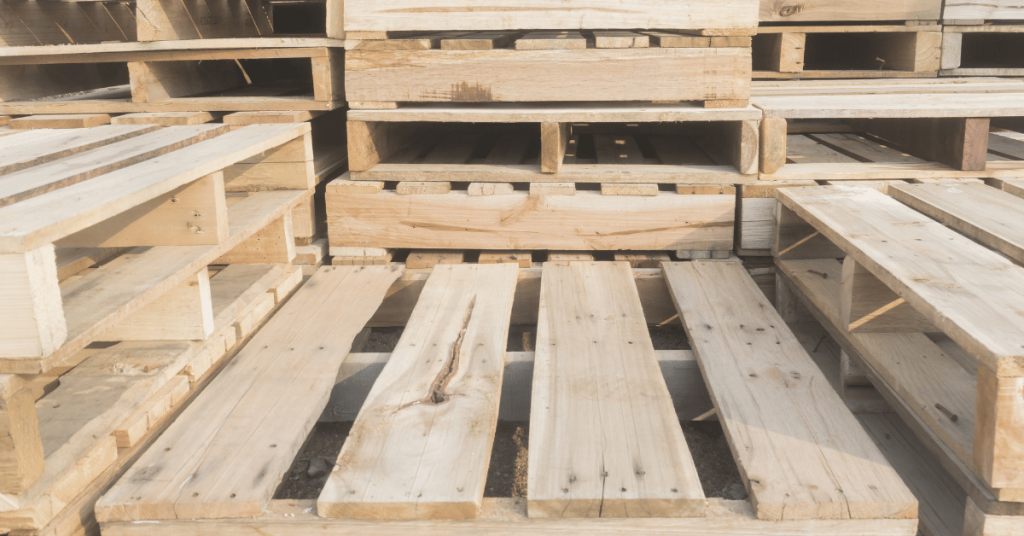
The Wooden Pallet Dilemma Ever found yourself staring at a pile of wooden pallets in your garden or garage and thought, “What on earth am I supposed to do with these things?” Don’t worry, you’re not alone! Wooden pallets are absolutely everywhere in our modern world. They’re those flat wooden structures used to move heavy stuff around in shops, warehouses, and factories. The problem is, once they’ve done their job, they often end up gathering dust in someone’s back yard. Not ideal, right? Today, we’re going to tackle that burning question: Can I take wooden pallets to my local recycling centre? We’ll also chat about why renting pallets might be a much smarter option than buying them in the first place. Trust me, by the end of this post, you’ll be a proper pallet expert!   The Short Answer: It’s Complicated I wish I could give you a simple yes or no, but the truth is a bit messier. While most local recycling centres will accept wooden pallets, there are usually: Limits on how many you can bring Restrictions on the condition they’re in Rules about the type of wood used Fees that might apply Let’s break this down into bite-sized chunks so you can figure out the best way to deal with your pallet predicament.   Types of Wooden Pallets: Not All Wood is Created Equal Before you load up the car, it’s worth knowing what type of pallets you’ve got on your hands. Pallet Type Description Recyclable? Standard Wooden Pallets Made from untreated softwood Usually yes Heat-Treated (HT) Pallets Marked with “HT” stamp Yes Chemically-Treated Pallets Marked with “MB” (methyl bromide) Sometimes (special handling) Painted or Coated Pallets Have coloured paint or coating Sometimes (depends on paint type) Broken or Damaged Pallets Splintered, missing boards Yes, but may need dismantling   Did you know? The UK uses about 42 million wooden pallets each year! That’s a lot of wood that could end up in landfill if not handled properly. According to a report by WRAP (Waste & Resources Action Programme), wooden pallets make up about 10% of all wood waste in the UK.   Your Local Recycling Centre: Rules and Regs Every local council has slightly different rules about accepting wooden pallets at their recycling centres (or “tips” as many of us call them). Here’s what you need to check before you go: Quantity limits – Many centres limit how many pallets you can bring in one go Proof of residence – You might need to show you live in the local area Vehicle restrictions – Some won’t accept pallets from commercial vehicles Opening times – Check when they accept wood waste specifically Fees – Some centres charge for wood disposal, especially for larger amounts To find your local recycling centre and check their specific rules on wooden pallets, pop over to the UK Government’s Recycling Locator tool. Just type in your postcode, and it’ll show you the nearest centres and what they accept.   The Dismantling Drama: Breaking Down Your Pallets Sometimes recycling centres will only take pallets if they’ve been broken down first. This can be a right pain, to be honest! Breaking down a pallet isn’t as easy as it looks. Those nails are in there good and proper! You’ll need: A pry bar or claw hammer Heavy-duty gloves (those splinters are nasty!) Safety goggles (flying nails are even nastier!) A lot of patience If you’re interested in properly recycling your wooden pallets rather than just throwing them away, we provide a recycling service. We’ve got loads more tips there on responsible disposal.   The Smart Alternative: Why Renting Beats Recycling Every Time Now, here’s where I let you in on a little secret. All this palaver with recycling pallets can be completely avoided if you rent your pallets instead of buying them!   Why Renting Pallets Makes Way More Sense: No disposal headaches – When you’re done, we collect them. Simple as that! Better for the environment – Rental pallets get reused hundreds of times Saves you money – No need to buy pallets you’ll only use once Saves space – No piles of unwanted pallets cluttering up your space Better quality – Rental pallets are maintained to high standards Think about it this way: When you buy pallets, you’re also buying the problem of getting rid of them later. When you rent, that problem disappears like magic! The average wooden pallet can be reused up to 20-30 times when properly maintained in a rental system. That’s a massive reduction in waste compared to single-use purchased pallets.   How Pallet Rental Works: Dead Easy! Curious about how our pallet rental service works? It’s as easy as pie: Tell us what you need – How many pallets, what size, and for how long We deliver them – Right to your door, exactly when you need them You use them – Do whatever you need to do We collect them – When you’re finished, we take them away No waste, no hassle, no trips to the recycling centre! To find out more about our super simple pallet rental service, get in touch with us.   The Environmental Impact: More Important Than Ever Let’s talk about the bigger picture for a moment. Wooden pallets might seem like a small thing, but they have a surprisingly large environmental footprint: A standard wooden pallet requires about 0.18 cubic meters of timber That’s about half a tree for every 15 pallets! The UK uses approximately 42 million new pallets every year That’s potentially millions of trees just for moving stuff around According to the Forest Stewardship Council (FSC), sustainable timber management is crucial for maintaining forest ecosystems. By renting pallets instead of buying new ones, you’re helping reduce the demand for freshly cut timber.   Creative Alternatives: Upcycling Your Pallets If you’re feeling crafty and want to avoid the recycling centre altogether, wooden pallets can be transformed into all sorts of brilliant things: Garden furniture Shelving units Vertical gardens

What Size is a Standard Wooden Pallet UK

Wooden Pallet Size

Ever walked past a stack of wooden pallets and wondered why they’re all different shapes and sizes? You’re not alone! Let’s dive into the world of wooden pallets together and solve the mystery of pallet size once and for all.   The Short Answer: There’s Not Just One! Right, let’s get straight to it. The term “standard pallet” in the UK can actually refer to several different sizes. Bit confusing, isn’t it? The most common UK standard size is 1200mm × 1000mm (that’s about 1.2m × 1m if you prefer). But here’s the thing – there are actually several “standard” sizes used across the supply chain throughout the country. Think of it like trainers – there’s no one-size-fits-all, and different jobs need different pallet types!   The Main UK Pallet Sizes Let’s break down the most common pallet sizes you’ll spot around Britain. Our delivery services across the UK use a wide range of these sizes: “Hang on a minute, why are there so many?” I hear you ask. Great question! Pallet Type Dimensions (mm) Dimensions (inches) Where You’ll See Them UK Standard 1200 × 1000 47.2 × 39.4 General UK logistics, warehouses Euro Pallet 1200 × 800 47.2 × 31.5 European transport, supermarkets Industrial 1200 × 1200 47.2 × 47.2 Heavy machinery, construction Half Pallet 800 × 600 31.5 × 23.6 Retail displays, smaller loads Quarter Pallet 600 × 400 23.6 × 15.7 In-store promotions, light goods   Why So Many Sizes? Different industries have different needs – it’s as simple as that. Just like you wouldn’t wear football boots to a wedding (well, most wouldn’t!), different jobs need different pallets. The UK standard pallet (1200 × 1000mm) is brilliant for maximising space in UK trucks and warehouses. But if you’re shipping goods to Europe, you’ll want a Euro pallet because that’s what fits their systems best.   The Euro Pallet: Europe’s Favourite The Euro pallet (or EUR pallet) deserves special mention. At 1200 × 800mm, it’s a bit narrower than the UK standard. This euro pallet size has become the backbone of European logistics. If you’ve ever travelled in Europe, you’ve probably seen thousands of these without even realising! Euro pallets come in different weight categories too: Lightweight Euro pallets for smaller loads Medium-weight Euro pallets for everyday use Heavy-weight strapper pallets for the big stuff And if you need Euro pallets without the official EPAL stamp, we offer unstamped Euro pallets too!   What Makes a Standard Pallet “Standard”? It’s not just about size – quality matters too! When looking for high quality wooden pallets, standard pallets are graded based on their condition: Grade A standard pallets are the cream of the crop – clean, strong, and ready for any job Grade B standard pallets are still solid but might have a bit more character (think of them as having experience rather than wear and tear!) You can also find graded Euro pallets if you need European standard sizes with different quality levels.   Beyond Wood: Other Pallet Options While this blog focuses on wooden pallets, it’s worth mentioning that plastic pallets are becoming more popular. They’re waterproof, don’t splinter, and can be easier to clean – though they’re typically more expensive upfront. For international shipping, many wooden pallets need to be heat treated to prevent the spread of pests and diseases.     Standard Pallet Construction: The Bits and Bobs Now let’s look at how these wooden wonders are actually built:   Top Deck The top deck is what you see first – the flat surface where goods sit. A standard UK pallet typically has 5-7 boards making up this deck. If you only need the top part, we offer pallet tops separately!   Blocks or Stringers These are the bits that create the gap for forklift tines. UK standard pallets usually have 9 blocks, arranged in a 3×3 pattern.   Bottom Deck The bottom deck has fewer boards than the top – usually 3-5 on a standard pallet.   Nails and Fasteners The average standard pallet contains about 70-100 nails! That’s a lot of metal holding your goods safely above ground.   How Much Weight Can a Standard Pallet Hold? This is where things get impressive! A typical UK standard wooden pallet can support static loads (goods just sitting there) of: Grade A: 1,500-2,000 kg Grade B: 1,000-1,500 kg For dynamic loads (when being moved by forklift), reduce these figures by about 30%. That means a single wooden pallet can hold the weight of a small car! Not too shabby for something most people don’t give a second glance.   Special Purpose Pallets While we’ve covered the standard sizes, our wide range of pallet types also includes special purpose pallets for specific industries: Printer pallets have been designed specifically for the printing industry, with smoother surfaces to protect paper products. Drum pallets have circular cutouts to secure barrels during transport.   How Long Do Standard Wooden Pallets Last? With proper care, a standard wooden pallet can last 3-5 years with regular use. Many are repaired along the way to extend their lifespan even further. This durability is part of what makes wooden pallets so valuable in the supply chain. This reusability is one reason why wooden pallets are considered relatively eco-friendly despite being made from timber. According to the Timber Packaging and Pallet Confederation, over 90% of wooden pallets in the UK are repaired, reused, or recycled!   Choosing the Right Pallet Size for Your Needs Not sure which pallet size is right for you? Here are some quick tips: Consider what you’re transporting (weight, dimensions) Think about where it’s going (UK only or international) Check what handling equipment you’ll be using (some forklifts have limited tine width) Consider storage space constraints Still not sure? Contact us for expert advice on choosing the perfect pallet!   Did You Know? Fun Pallet Facts The first wooden pallets appeared around the 1920s There are estimated to be over 250 million pallets in circulation in the UK alone

What Makes Local Pallet Hire a Cost-Effective Solution?
Local Pallet Hire

Ever wondered about those wooden platforms you see in shops and warehouses? They’re called pallets, and they’re absolutely brilliant for moving heavy stuff around. But here’s the thing – buying them outright can cost a pretty penny. That’s where local pallet hire comes in, and let me tell you, it’s a proper cost-effective solution for businesses of all sizes!   What’s a Pallet, Anyway? Before we dive into the benefits of hiring pallets locally, let’s make sure we’re all on the same page. Pallets are those flat wooden structures used to stack, store, and move products. They come in various sizes, with pallet measuring being an important skill to ensure you get the right ones for your needs. They’re designed so that forklifts can easily lift them, making it much simpler to shift heavy goods from one place to another. You’ll spot them everywhere once you start looking – in supermarkets, warehouses, garden centres, and building sites. They’re the unsung heroes of the transport world!   Why Local Pallet Hire Beats Buying Now, the million-pound question: why choose local pallet hire instead of buying them? Let’s break down these cost-effective benefits into bite-sized chunks.   1. Upfront Costs When you buy pallets, you need to shell out a fair bit of cash right away. But when you hire them, you’re only paying a small fee for the time you’re using them. It’s like renting a fancy dress for a party instead of buying one you’ll only wear once! For small businesses or school projects, this makes a massive difference. You don’t need to spend loads of money on something you might only need for a short time.   2. No Storage Headaches Bought pallets need somewhere to live when they’re not being used. And let’s be honest, they’re not exactly small! If you hire pallets, you can simply return them when you’re done – no need to find a massive storage space. As research from the Waste and Resources Action Programme (WRAP) shows, businesses can save up to 70% of storage space by using returnable packaging systems like pallet hire.   3. Quality Guaranteed When you hire pallets from a reputable local company like CM Pallets, you’re getting quality-checked items every time. No worries about splinters, broken boards, or pallets that might collapse under weight!   The Local Advantage Choosing a local pallet hire company offers even more bonuses:   1. Lower Transport Costs The less distance pallets travel, the lower the transport costs. It’s simple maths! Local hire means the pallets don’t have to journey halfway across the country to reach you. According to a study by the Freight Transport Association, transport costs can account for up to 30% of logistics expenses. Cutting these down is a no-brainer.   2. Speedy Service Need pallets in a hurry? Local suppliers can usually deliver much faster than national companies. Many offer same-day or next-day delivery, which is brilliant when you’re in a tight spot.   3. Understanding Local Needs Local suppliers understand the needs of businesses in their area. They know the local industries, common requirements, and can offer better-tailored advice. As Jane Smith from Regional Business Network puts it: “Local suppliers invest time in understanding their customers’ specific needs, resulting in better service and often more cost-effective solutions.”   The Environmental Bonus Hiring pallets locally isn’t just good for your wallet – it’s smashing for the environment too!   1. Reduced Carbon Footprint When pallets travel shorter distances, they produce less carbon dioxide. According to the Carbon Trust, reducing transport miles is one of the most effective ways to lower your carbon footprint.   2. Less Waste Hired pallets get reused again and again, rather than being thrown away after a single use. This means fewer trees being chopped down and less waste going to landfill. Let’s look at the numbers: Pallet Type Average Lifespan CO2 Saved Per Year (vs Single-Use) Hired Wooden 20-30 uses 18-25 kg Hired Plastic 50-100 uses 40-60 kg Single-Use 1 use 0 kg       Cost Comparison: Hiring vs. Buying Let’s get down to the nitty-gritty with some example figures (these are just examples – actual costs may vary): Option Initial Cost (£) Annual Storage Cost (£) Repair/Maintenance (£) Disposal Cost (£) Total 1-Year Cost (£) Buying 100 Pallets 1,000 – 1,500 200 – 500 100 – 300 50 – 150 1,350 – 2,450 Hiring 100 Pallets 300 – 800 0 0 0 300 – 800       As you can see, hiring could save you anywhere from £550 to £2,150 in just one year! That’s enough for a decent school trip or some fancy new equipment.   Who Benefits Most from Pallet Hire? Local pallet hire works brilliantly for all sorts of people:   Small Businesses If you’re running a small shop or starting a business, every penny counts. Hiring pallets lets you use professional equipment without the massive upfront cost.   Schools and Colleges Got a big project or event coming up? Pallets are fantastic for creating displays, temporary structures, or moving equipment. Contact CM Pallets to discuss educational discounts!   One-Off Events Planning a school fair, community event, or big presentation? Hired pallets can create stages, display stands, or help move heavy equipment – all without the long-term commitment.   Seasonal Businesses If your needs change with the seasons (like garden centres or Christmas shops), hiring pallets means you only pay for them when you actually need them.   How to Choose the Right Local Pallet Hire Company Not all pallet hire companies are created equal! Here’s what to look for: Location – The closer, the better for reducing transport costs Quality Standards – Do they follow industry standards and regulations? Flexibility – Can they provide exactly what you need, when you need it? Service Level – Do they offer delivery, collection, and support? Environmental Credentials – Are they committed to sustainable practices? Measuring and Sizing – Do they offer accurate pallet measuring to ensure you get the right

What Should You Do with Your Old or Broken Pallets?

Custom Pallet Solutions

Let’s talk about that pile of dodgy pallets that’s been growing in the corner of your yard like some sort of wooden mushroom colony. You know the ones – those broken, slightly sad-looking wooden pallets that you’re not quite sure what to do with. If you’re nodding along, you’re certainly not alone. Across the UK, businesses are scratching their heads over mountains of old pallets. It’s a proper headache, isn’t it? But don’t worry – I’m here to walk you through the options that don’t involve quietly dumping them behind the neighbour’s skip when nobody’s looking (tempting as that might be). Why Proper Pallet Disposal Matters (Spoiler: It’s Not Just About Tidiness) Before we dive into the solutions, let’s take a quick moment to talk about why you should actually care about this. First off, there’s the legal bit. The Environment Agency doesn’t look too kindly on improper waste disposal. Get caught fly-tipping your old pallets and you could face fines of up to £50,000. Bit steep for getting rid of a few bits of wood, no? Then there’s the environmental angle. When pallets end up in landfill, they don’t just take up space – they decompose and release methane, a greenhouse gas that’s roughly 25 times more potent than carbon dioxide. Not exactly what the planet needs right now. And finally, there’s the missed opportunity factor. Those broken pallets might look like rubbish to you, but they’re actually a valuable resource that can be reused, recycled, or repurposed. Chucking them out is a bit like throwing fivers in the bin – it just doesn’t make good sense! Option 1: Repair and Reuse (Give Those Pallets a Second Chance) Let’s start with the most obvious solution – fixing them up! Many pallets that look beyond help can actually be brought back to life with a bit of TLC. How it works: A damaged pallet often just needs a few replacement boards, some new nails, or a bit of reinforcement. At CM Pallets, we can assess your broken pallets and repair those that are salvageable, turning them back into serviceable transport platforms. The benefits: Cost savings: Repairing costs about 30-50% less than buying new pallets Resource efficiency: Uses minimal new materials Reduced waste: Keeps pallets out of the waste stream Circular economy champion: Makes you look proper good on those sustainability reports One of our clients, a brewery, saved over £3,000 last year by having their damaged pallets repaired instead of replaced. That’s a lot of money that can be better spent on, well, brewing more lovely beer! Option 2: Recycling (When They’re Beyond Repair) Sometimes, a pallet is just too far gone. Multiple broken boards, split stringers, or extensive damage means repair isn’t viable. That’s when recycling comes into play. How it works: Wood recycling facilities (like ours at CM Pallets) will break down your old pallets, removing metal fixings and processing the wood into: Wood chips for landscaping or playgrounds Animal bedding Biomass fuel Raw material for particleboard manufacturing The benefits: Zero landfill contribution: Every bit of the pallet gets reused Traceable waste management: We provide documentation for your waste reporting Lower carbon footprint: Recycling wood uses less energy than processing virgin timber Often cheaper than skip hire: Many businesses don’t realise this, but proper wood recycling can cost less than general waste disposal A garden centre chain we work with sends all their beyond-repair pallets to us for recycling, and the resulting wood chips come back to them as landscaping material. Talk about closing the loop! Option 3: Return Them (Someone Might Actually Want Them Back) Many pallets – especially those blue CHEP pallets or the brown LPR ones – are actually part of a rental system. If you’ve got these knocking about, you’re basically sitting on someone else’s property. How it works: Pallet rental companies will collect their pallets from your site – often for free – and take them back into their pool for repair and reuse. The benefits: Free collection: No cost to you Legal compliance: Avoiding any awkward “you’ve got our pallets” conversations Space clearing: Gets them out of your yard Environmental benefits: These pallets go back into a managed repair and reuse system One of our manufacturing clients in Birmingham was amazed to discover that about 30% of the “waste” pallets in their yard were actually returnable pallets. That translated to both freed-up space and avoided disposal costs – a win-win! Option 4: Upcycling (Get Creative or Let Someone Else Do It) If you’ve got a creative streak – or employees who do – old pallets can become all sorts of useful items. Popular upcycling projects: Office furniture (those rustic pallet sofas for the break room) Outdoor planters (great for adding some greenery to industrial sites) Storage solutions (wall-mounted shelving, anyone?) Marketing displays (especially good for businesses with an eco-friendly image) Not the DIY type? No worries. There are actually people out there who actively want your old pallets for their crafting projects. How to find them: Local Facebook marketplace groups Freecycle or similar community reuse networks Craft groups and woodworking clubs Schools and community gardens for educational projects One of our more unusual success stories comes from a client in Leeds who donated their old pallets to a local school’s design technology department. The students used them to create an award-winning outdoor classroom space – and our client got some brilliant community PR in the process. Option 5: Professional Collection and Processing (The Easy Button) If you’re reading this thinking, “That all sounds lovely, but I haven’t got the time or inclination to sort all this out,” then this option is for you. How it works: Companies like CM Pallets offer comprehensive collection and processing services. We’ll come to your site, assess what you’ve got, and handle everything – from identifying returnable pallets to repairing what can be fixed and responsibly recycling the rest. The benefits: One-stop solution: A single phone call sorts everything Expert assessment: We know what can be

What Are Heavyweight and Lightweight Pallets Used For?

If you’ve ever found yourself puzzling over pallet options (and let’s be honest, who hasn’t had a good pallet-related head-scratch at some point?), you might have wondered about the difference between heavyweight and lightweight pallets. They sound a bit like boxing categories, don’t they? Heavyweight champion of the warehouse world! But seriously, choosing the right pallet weight class for your needs can make a massive difference to your operations, your wallet, and even your carbon footprint. So let’s dive into the weighty issue of pallet classifications, shall we? The Tale of the Scales: What Makes a Pallet Heavyweight or Lightweight? First things first – what are we actually talking about when we say “heavyweight” and “lightweight” pallets? Heavyweight pallets typically weigh 25-30kg or more. They’re chunky beasts, usually made from solid timber with thick deck boards and substantial blocks or stringers. Lightweight pallets, on the other hand, usually come in at under 15kg. They’re often made with thinner boards, might use composite materials, or feature clever designs that use less material while maintaining functionality. Then there’s the middle ground – medium-weight pallets that sit somewhere between 15-25kg, offering a balance between strength and heft. At CM Pallets, we see businesses agonising over this choice all the time, often without realising that different weight classes excel at different jobs. It’s a bit like trying to decide whether trainers or wellies are “better” – it rather depends on whether you’re going for a run or mucking out the stables, doesn’t it? Heavyweight Pallets: The Muscular Workhorses Heavyweight pallets are the bodybuilders of the logistics world – substantial, powerful, and not afraid to show it. What They’re Brilliant For: Super Heavy Loads: Got engine parts, machinery, or pallets of bricks to move? Heavyweight pallets won’t buckle under pressure. They’re designed to handle loads of 1-2 tonnes without breaking a sweat. Long-Term Storage: When you need something that’ll support heavy goods for months or years without sagging, heavyweight pallets are your friend. We’ve got customers in the construction materials sector who’ve had the same heavyweight pallets in their warehouse for over a decade! Repeated Reuse: These sturdy fellows can take a beating and come back for more. A well-made heavyweight pallet might go through 30-50 trips in its lifetime. Outdoor Storage: Their substantial construction makes them more resistant to the lovely British weather. Unlike their lightweight cousins, they won’t warp at the first sight of rain. Racking Systems: When you’re storing goods high up on warehouse racks, you need pallets that won’t bend or break. Heavyweight pallets provide that peace of mind. The Downsides (Because Nothing’s Perfect): Higher Initial Cost: All that extra timber comes at a price – typically 30-50% more than lightweight alternatives. Transportation Costs: Heavier pallets mean higher fuel costs when you’re shipping them around. It might not seem significant for one pallet, but multiply it by thousands of shipments and it adds up. Manual Handling Challenges: Anyone who’s ever dragged a heavyweight pallet across a warehouse floor knows they’re not exactly a joy to move by hand. Your staff’s backs will let you know about it! One of our clients, a Birmingham-based metal components manufacturer, uses exclusively heavyweight pallets because their products routinely exceed 800kg per pallet. For them, the extra pallet weight is a small price to pay for the security of knowing their expensive components won’t end up in a heap on the floor because a pallet gave way. Lightweight Pallets: The Nimble Performers If heavyweight pallets are bodybuilders, lightweight pallets are gymnasts – surprisingly strong for their size, remarkably agile, and excellent at specific tasks. What They Excel At: Air Freight: When you’re paying by the kilo for air transport, every bit of weight matters. Lightweight pallets can reduce your shipping costs substantially. Export Shipments: One-way international shipping benefits from lightweight pallets that cost less to transport and aren’t expected to make a return journey. Pharmaceutical and Electronics: Industries with relatively light but high-value products often prefer lightweight pallets that offer adequate support without excess weight. Environmental Targets: Lightweight pallets typically use less raw material and create lower transport emissions, helping businesses meet their carbon reduction goals. Manual Operations: If your staff need to move pallets by hand, they’ll certainly appreciate the lighter option. A 10kg difference might not sound like much until you’re shifting pallets all day! The Not-So-Great Bits: Lower Weight Capacity: Most lightweight pallets tap out at loads of 500-750kg, which won’t cut it for heavier items. Shorter Lifespan: The trade-off for less material is typically reduced durability. Lightweight pallets might only last for 5-10 trips before needing replacement. Less Suitable for Racking: Not all lightweight pallets are designed for racked storage. Using the wrong type can lead to dangerous sagging or even collapse. A retail distribution client of ours in Leeds switched from standard to lightweight pallets for their store deliveries and reported a 15% reduction in transport costs, plus fewer staff complaints about moving pallets around shop floors. For their relatively light loads of boxed consumer goods, it was a perfect match. The Middle Path: Medium-Weight Pallets Not to sound too zen about it, but sometimes the middle path is the wisest. Medium-weight pallets offer a compelling compromise. They generally handle loads up to 1 tonne, weigh between 15-25kg, and strike a reasonable balance between durability and transportability. For many businesses with mixed loads or varied operations, these pallets represent the sweet spot. A food distribution company we work with uses medium-weight pallets for their operation because they need to balance the structural requirements of stacking heavy canned goods with the practical reality of delivery drivers needing to manoeuvre pallets in and out of small convenience stores. Making the Right Choice for Your Business So how do you decide which weight class is right for your operation? Here are some questions to ask yourself: What’s the maximum weight of goods you’ll be putting on these pallets? Be honest – if you occasionally have heavier loads, you need pallets that can handle

Why Is Sustainable Pallet Sourcing Important for Your Company?

Let’s be honest – pallets aren’t exactly the sexiest topic in business, are they? But stick with me, because these humble wooden platforms might just be your secret weapon for boosting your green credentials (and your bottom line). The Pallet Problem You Didn’t Know You Had So here’s the thing: those wooden pallets that keep your warehouse running smoothly? They’re actually a bit of an environmental headache. Shocking, I know! The pallet industry is one of the largest consumers of timber worldwide. And when you consider that the average wooden pallet only survives about 3-5 trips before it needs fixing or binning, that’s a lot of trees getting the chop! And when pallets end up in landfill, they’re not just taking up space – they’re pumping out methane as they break down. Not ideal, is it? Why Your Finance Director Will Thank You for Going Green Now, I’m not just banging on about saving trees (though that’s brilliant too). Sustainable pallet sourcing is actually a proper money-saver: Save a few quid: Sustainable pallets last longer, so you’ll shell out less on replacements. Plus, you’ll dodge those pesky disposal fees. Win-win! Lighter load, lighter costs: Many eco-friendly alternatives weigh less than traditional wooden pallets, meaning lower transport costs. Your logistics team will be chuffed! Tax breaks: The government loves businesses that go green, and there might be some tasty tax incentives coming your way if you make the switch. Your Customers Actually Care About This Stuff I’m not being funny, but your customers are getting pickier about who they do business with. They’re scrolling through your sustainability statements and judging you on your green credentials. Recent UK surveys show that over 70% of consumers consider environmental impact when making purchasing decisions. Showing that you’ve thought about every bit of your supply chain – right down to the humble pallet – sends a powerful message. It says, “We’re not just paying lip service to sustainability; we’re actually doing something about it.” And that’s worth its weight in gold (or recycled plastic). Staying Ahead of the Regulatory Game Let’s face it – UK environmental regulations aren’t getting any looser, are they? With the government’s ambitious Net Zero targets and increasing pressure on businesses to report their carbon footprint, sorting out your pallet situation now is basically future-proofing your business. Trust me, it’s much better to be ahead of the curve than scrambling to comply at the last minute. Been there, done that, got the stress-induced grey hairs! What Are Your Options, Then? At CM Pallets, we’ve got a few tricks up our sleeve when it comes to sustainable options: Reconditioned Wooden Pallets These beauties get a thorough once-over and repair job, extending their useful life and reducing the need for fresh timber. All the durability you’re used to, with a much smaller carbon footprint. Lovely stuff! Recycled Plastic Pallets Made from the plastic waste that would otherwise be clogging up our oceans, these pallets are proper tough cookies. They last ages, and when they finally give up the ghost, they’re 100% recyclable. They’re also: Waterproof (no more soggy pallets – hurrah!) Pest-resistant (those pesky bugs can’t munch through plastic) Easy to clean (food and pharma companies, I’m looking at you) Lightweight (your delivery drivers’ backs will thank you) Hybrid Pallets Can’t decide? Our hybrid pallets give you the best of both worlds – recycled plastic parts mixed with sustainably sourced wood. It’s like the perfect marriage of traditional and modern. I’m quite proud of these, if I’m honest! Getting Started Without a Massive Faff Changing your pallet game doesn’t have to be a massive headache. Here’s how to dip your toe in: Take a proper look at what you’re using now. How many pallets do you get through? What happens to the damaged ones? Start small. Try sustainable pallets in one part of your operation and see how it goes. Crunch the numbers. Work out how much you’re saving and what difference it’s making to your carbon footprint. Scale up when you’re ready. Once you’ve seen the benefits, roll it out across your whole supply chain. We can help you sort a plan that works for your specific needs – no one-size-fits-all nonsense here! Let’s Wrap This Up, Shall We? Look, I know pallets aren’t going to be the most exciting thing you think about today. But making the switch to sustainable options is one of those rare business decisions that’s good for the planet AND good for your profits. By choosing better pallets, you’re cutting waste, saving trees, and positioning your company as one that actually gives a toss about the environment. Not bad for a simple wooden platform, eh? Give us a bell, and we’ll help you figure out the best sustainable solution for your needs. Your accountant, your customers, and the planet will all be chuffed to bits.

How Does CM Pallets Ensure the Quality of Their Products?

Behind the scenes of our obsession with wooden perfection Let’s face it – when you’re in the market for pallets, you’re probably not lying awake at night thinking about the finer points of wood grain or nail placement. But here at CM Pallets, we absolutely are. Bit sad, isn’t it? But our slightly obsessive approach to quality is exactly what separates a pallet that’ll let you down faster than a chocolate teapot from one that’ll serve your business faithfully for years. So grab a cuppa and let me walk you through our quality-control journey – from tree to your warehouse floor. You might be surprised at just how much goes into ensuring those wooden platforms can take whatever your business throws at them. It all starts with proper wood sourcing (no dodgy timber here!) The foundation of a quality pallet is – surprise, surprise – quality wood. Seems obvious, doesn’t it? But you’d be amazed how many corners get cut in this department. At CM Pallets, our timber sourcing involves: Sustainable forest partnerships – We work with suppliers who comply with FSC or PEFC certification. That means the wood comes from responsibly managed forests where trees are replanted and ecosystems protected. Good for your conscience, good for the planet. Moisture content monitoring – Too wet and your pallet will warp as it dries. Too dry and it might be brittle. We test every batch to ensure it’s in the sweet spot (between 16-20% moisture content, if you’re curious). Species selection for purpose – Not all wood is created equal. We match timber species to your specific needs. Need something lightweight but strong? European softwoods might be your best bet. Heavy-duty requirements? Perhaps dense hardwoods are the answer. Visual grading – Each piece of timber is visually inspected for knots, splits, and wane. Our timber graders have eyes like hawks (and probably need better hobbies, to be honest). Dave in our procurement team has rejected entire shipments because they didn’t meet our standards. “Bit of a pain at the time,” he admits, “but better than sending dodgy pallets to our customers.” Design and engineering (yes, there’s actual science involved) A pallet isn’t just slapping some bits of wood together and hoping for the best (though some of our competitors might disagree). Our design process is where the magic happens: Structural engineering principles – We use proper load distribution analysis to design pallets that support weight evenly. It’s a bit like architecture, but without the fancy glasses and black turtlenecks. Computer modelling – For custom pallets, we use CAD software to test designs before a single piece of wood is cut. This helps us identify potential weak points and address them before they become real-world problems. Stress testing simulations – Our designs undergo virtual stress tests that simulate the conditions they’ll face in real life. We’d rather a pallet fail virtually than under your valuable products! Design reviews – Every new design gets picked apart by our team of pallet perfectionists, looking for any possible improvements or potential issues. When we designed custom pallets for a ceramic tile manufacturer, we ran 23 different design iterations before settling on the final version. Excessive? Maybe. But that client hasn’t reported a single breakage in three years. Manufacturing with meticulous standards (not just hammering nails) Once we’ve got quality wood and solid designs, it’s all about consistent manufacturing: Precise cutting – Our cutting tolerances are within 3mm. That might not sound impressive until you consider industry standards are often 8-10mm. Those small differences add up to more stable, uniform pallets. Nail patterns and quality – We use specific nail patterns designed for maximum hold without splitting the wood. And our nails are heat-treated to prevent bending under pressure. It’s the little things, isn’t it? Assembly jigs – Each pallet type has a custom assembly jig to ensure consistent dimensions and squareness. No wonky pallets leaving our factory! Individual inspection – Every single pallet gets checked before it leaves our facility. No sampling here – we’re talking 100% inspection rate. Bit over the top? Maybe. Worth it? Absolutely. Treatment verification – For heat-treated or chemically treated pallets, we verify that the treatment has been properly applied and meets all relevant standards. We once halted an entire production run because the nails received from a supplier were 0.2mm thinner than specified. Our production manager Karen said it best: “If we don’t care about the small stuff, who will?” Testing that would make lab scientists proud Talk is cheap, which is why we put our pallets through their paces: Static load testing – We stack weights on pallets to ensure they can handle their rated capacity. Sometimes this is quite dramatic – there’s nothing quite like watching a pallet being pushed to its breaking point. Dynamic load testing – Because pallets in the real world don’t just sit there looking pretty, we test them with moving loads too. Drop testing – We drop loaded pallets from various heights to simulate rough handling. It’s a bit like those phone drop test videos, but with less glass and more wood. Environmental chamber testing – For pallets destined for challenging environments, we can simulate extreme temperatures and humidity to ensure they’ll perform where it matters. One of our clients needed pallets that could handle -30°C conditions in cold storage. We actually built a freezer testing rig that would make the contestants on Frozen Planet shiver. The result? Pallets that perform flawlessly in conditions that would make most timber crack. Quality control that borders on the obsessive Our QC process is where we really shine (or show how neurotic we are, depending on your perspective): Multiple inspection points – We check pallets at raw material stage, after cutting, after assembly, and before shipping. Overkill? Maybe, but it catches issues early. Documented quality procedures – Every inspection has a checklist and documentation. We can trace any pallet back to the batch of timber it came from and who inspected it at each

How Can Businesses Benefit From Implementing Wood Recycling Practices?

Did you know that recycling wood can cut disposal costs by up to 50% for businesses? By implementing wood recycling practices, you can greatly reduce your environmental impact while enhancing your reputation as an eco-friendly leader. Not only does this lead to cost savings, but it also opens up new revenue streams by transforming waste into alternative products. These changes could strengthen your brand and foster community support. Curious about more benefits?   Key Takeaways   – Implementing wood recycling significantly reduces disposal costs and associated landfill fees. – Wood recycling enhances brand image by aligning with eco-friendly and sustainable practices. – Businesses can generate additional revenue streams by transforming wood waste into products like biofuels. – Reducing environmental impact through wood recycling lowers carbon footprints and conserves natural resources. – Supporting local communities through wood recycling creates jobs and fosters social responsibility.   Reducing Environmental Impact   When it comes to reducing environmental impact, businesses can make a notable difference by implementing wood recycling practices. By doing so, you actively contribute to lowering your carbon footprint, a critical step in mitigating climate change.   Recycling wood not only conserves natural resources but also maintains ecological balance by reducing the need for new timber and minimising deforestation. Data shows that reusing wood products can decrease greenhouse gas emissions considerably, aligning your business with sustainable practices and environmental stewardship.   Strategically, you’ll find that integrating wood recycling into your operations enhances your company’s reputation and aligns with consumer expectations for eco-friendly practices. This sustainable approach demonstrates a commitment to preserving the planet, making your business a leader in environmental responsibility.   Lowering Disposal Costs   Beyond the environmental benefits, wood recycling offers a strategic advantage by considerably lowering disposal costs for businesses. Effective cost management through recycling can help you reduce expenses tied to landfill fees, which continue to rise.   By engaging in waste reduction, you minimise the volume of wood waste needing disposal, directly impacting your bottom line. According to industry reports, companies practising wood recycling can cut disposal costs by up to 50%. This significant savings stems from diverting wood waste away from landfills and repurposing it.   Additionally, reduced waste translates into fewer hauls, further decreasing transportation expenses. Implementing wood recycling isn’t just an eco-friendly choice; it’s a financially savvy decision that enhances your cost management strategy and supports sustainable business practices.   Generating Additional Revenue Streams   Releasing new revenue streams through wood recycling offers businesses a strategic advantage in today’s competitive landscape. By transforming wood waste into alternative products, you can tap into markets like biofuels, mulch, or composite materials.   Data shows that businesses embracing recycled products see a 20% increase in profitability. Leverage these insights to diversify offerings and reduce reliance on traditional revenue sources.   Creating creative partnerships with eco-friendly brands can further amplify your revenue potential. Collaborating with companies focused on sustainability can open doors to new customer bases keen on green solutions.   Studies reveal that firms engaged in such partnerships experience a 15% boost in market reach. By integrating wood recycling into your business model, you not only optimise waste management but also access significant financial opportunities.   Enhancing Brand Image   While enhancing your brand image, adopting wood recycling practices can markedly elevate your business’s reputation as an eco-friendly leader.   In today’s data-driven market, 66% of global consumers are willing to pay more for sustainable goods. Implementing wood recycling directly influences brand perception, positioning you as a responsible entity committed to environmental stewardship.   This strategic move not only captures consumer interest but also strengthens customer loyalty. By showcasing your dedication through sustainable marketing, you build a narrative that resonates with eco-conscious audiences.   Such practices offer measurable competitive advantages, with studies indicating that sustainable brands often outperform their counterparts financially.   Leveraging these insights, you can effectively communicate your sustainability efforts, solidifying your position as an industry leader committed to a greener future.   Meeting Consumer Demand for Sustainability   As consumer awareness of environmental issues grows, businesses must rise to the challenge of meeting the demand for sustainability. By aligning with consumer preferences for sustainable products, you can strategically position your business to capture a burgeoning market segment.   Data reveals that 66% of global consumers are willing to pay more for eco-friendly products. Implementing wood recycling practices directly responds to this demand by reducing waste and crafting sustainable products.   It’s not just about fulfilling a trend; it’s about strategic alignment with a value-driven market. By embracing these practices, you demonstrate responsibility and commitment, fostering trust and loyalty among environmentally conscious consumers.   This approach guarantees that your business not only meets current demands but is also prepared for future sustainability shifts.   Gaining a Competitive Edge   To gain a competitive edge, businesses must leverage wood recycling practices strategically. By doing so, you can strengthen your market positioning and embrace innovation strategies.   Wood recycling not only aligns with sustainable practices but also differentiates you in a crowded market. Consider these benefits:   – Enhanced brand reputation: Consumers prefer environmentally responsible companies. – Cost savings: Recycled materials often reduce raw material expenses. – New revenue streams: Create innovative products from recycled wood. – Regulatory advantages: Stay ahead of environmental regulations and avoid penalties.   Data-driven decision-making in wood recycling can propel your business forward.   By analysing market trends and consumer preferences, you’ll identify opportunities for product innovation and differentiation.   Integrating wood recycling into your strategy guarantees you’re not just meeting sustainability goals but also outperforming competitors.   Improving Resource Efficiency   Boosting resource efficiency in your business is essential for maximising output while minimising waste. By implementing wood recycling practices, you enhance resource optimisation, ensuring materials are reused and repurposed. This strategic move reduces dependency on virgin resources, aligning with sustainable sourcing goals.   Data suggests that businesses prioritising resource efficiency can cut costs by up to 30%, enhancing profitability.   You’ll find that recycled wood can substitute for new