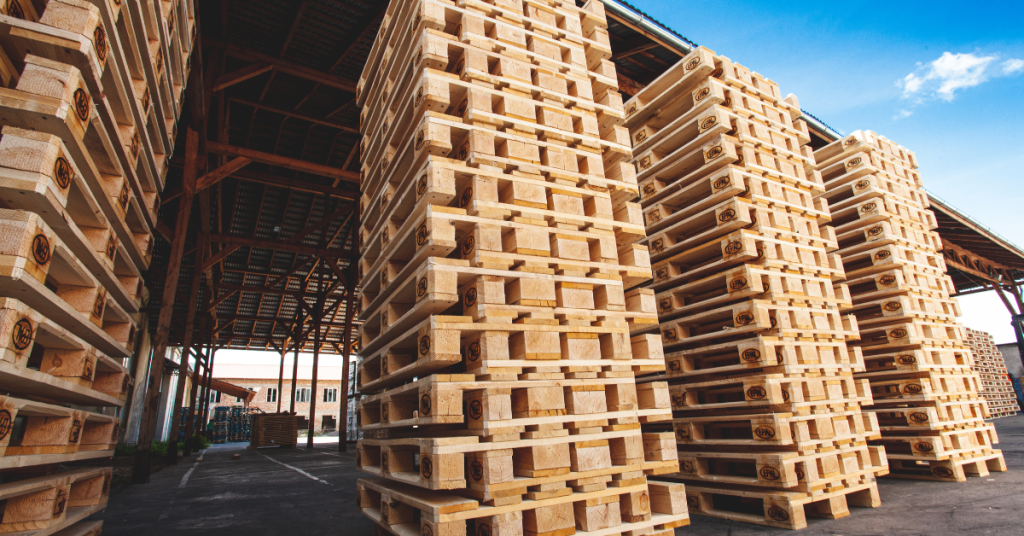
What Role Do Pallets Play in Efficient Supply Chain Management?

Did you know that the humble pallet has revolutionised supply chain logistics? By standardising sizes, they optimise space in trucks, reducing costs and enhancing efficiency. Pallets allow forklifts to handle goods swiftly, minimising manual labour and the risk of damage. With innovations like RFID tracking, they also streamline inventory management. As you explore further, consider how these unassuming platforms might hold the key to your supply chain’s success. Key Takeaways – Pallets optimise space usage in storage and transportation, reducing handling costs and improving efficiency. – Standardised pallet sizes streamline operations and enhance predictability in international trade and logistics. – Durable materials and strategic designs minimise product damage and enhance safety during handling and transport. – Four-way entry pallets facilitate better access for forklifts, expediting loading and unloading processes. – Innovations like smart pallets with RFID technology improve tracking and logistics management. The Evolution of Pallets in Logistics Although pallets might seem like a mundane part of logistics, their evolution has greatly impacted supply chain efficiency. Pallet history traces back to the early 20th century when they were initially crafted from simple wooden boards. Over time, pallet design evolved, incorporating materials like plastic and metal to enhance durability and versatility. You’ll notice that innovative designs, such as the introduction of the four-way entry pallet, allowed forklifts easier access, markedly speeding up material handling processes. This evolution wasn’t just about materials; it also encompassed strategic design improvements to optimise stacking and storage. Standardisation and Its Impact on Supply Chain Efficiency When you examine the role of standardisation in supply chain efficiency, it becomes clear that establishing uniform pallet sizes and specifications has been pivotal. By adopting standardised measurements, you streamline operations across different stages of the supply chain. Transport becomes more efficient as standardised pallets optimise space usage in containers and trucks. Handling costs decrease since forklifts and automated systems can easily accommodate uniform pallet specifications. This consistency reduces delays and errors during loading and unloading, enhancing overall workflow. Moreover, standardised pallets facilitate international trade, as they align with global logistical requirements. You’ll find that this predictability aids in strategic planning, enabling more accurate forecasting and inventory management. Ultimately, standardisation not only drives operational efficiency but also enhances supply chain resilience and adaptability. Pallet Materials: Wood, Plastic, and Beyond Choosing the right pallet material is a strategic decision that impacts efficiency, cost, and sustainability in the supply chain. When considering materials, you’ll evaluate key factors like pallet durability and customisation options. Wood pallets offer a balance of strength and adaptability, allowing for easy repairs. However, they mightn’t last as long as other options. Plastic pallets, on the other hand, provide excellent durability and are lightweight, reducing transportation costs. They’re also customisable in various shapes and sizes, suiting specific needs. Beyond these, consider innovative materials like metal or composite that offer unique benefits. Here’s a quick comparison: Wood: Affordable, repairable, less durable. Plastic: Durable, lightweight, customisable. Metal/Composite: High durability, costly, niche applications. How Pallets Enhance Safety and Reduce Product Damage Incorporating pallets into your supply chain strategy markedly boosts safety and minimises product damage. By using pallets, you create a stable base for stacking goods, which enhances pallet safety by preventing accidental toppling. This stability is essential during transportation and handling, where risks of shifts and impacts are high. Strategically, pallets distribute weight evenly, reducing pressure points that can lead to product damage. They act as buffers against external forces, offering important product protection. Additionally, pallets simplify handling with forklifts and pallet jacks, decreasing manual lifting and the associated risks. When you optimise pallet use, you not only safeguard products but also reduce potential liabilities arising from injuries or damages. Consequently, pallets play an indispensable role in streamlining your supply chain operations. Innovations in Pallet Design and Technology Recent innovations in pallet design and technology are transforming supply chain management, making it more efficient and sustainable. By adopting smart pallets and modular designs, you can optimise logistics and enhance tracking capabilities. Smart Pallets: These pallets incorporate RFID technology, allowing real-time tracking and data collection. This enhances inventory management and reduces losses due to misplacement. Modular Designs: With modular pallets, you can customise configurations to fit varying product sizes and shapes, improving space utilisation and reducing transport costs. Sustainable Materials: Innovative materials, such as recycled plastics and lightweight composites, are reducing environmental impact while maintaining durability. Strategically incorporating these advancements into your supply chain not only streamlines operations but also aligns with sustainability goals. Embrace these changes to stay competitive and responsive in a dynamic market. The Role of Pallets in Cost Reduction Strategies When strategically implemented, pallets play an essential role in reducing supply chain costs by streamlining operations and enhancing efficiency. You can achieve significant savings through pallet pooling, which allows you to share pallets with other companies, reducing the need for purchasing and maintaining large inventories. This approach minimises capital expenditure and optimises resource allocation. Conducting a thorough cost analysis is vital to identify areas where pallets can improve operational efficiency. By examining transportation, handling, and storage costs, you can pinpoint inefficiencies and implement strategies that leverage pallets to cut expenses. Additionally, standardised pallet sizes improve stacking and storage efficiency, reducing warehousing costs. Sustainability and the Future of Pallet Usage in Supply Chains Leveraging pallets not only reduces costs but also plays a significant role in promoting sustainability within supply chains. By adopting a circular economy mindset, you can maximise pallet usage, reducing waste and conserving resources. Opting for pallets made from eco-friendly materials further enhances your green initiatives. Consider these strategies: Reusability: Focus on pallets designed for multiple cycles, minimising the need for new materials. Recycling: Implement systems to recycle pallets at the end of their lifecycle, ensuring minimal environmental impact. Eco-Friendly Materials: Choose pallets crafted from
How Does CM Pallets Ensure Efficient Pallet Collection?

You might not know that CM Pallets employs cutting-edge predictive analytics to stay ahead of demand fluctuations. This is just one part of their multi-faceted approach to efficient pallet collection. Their strategic partnerships give them access to essential resources, enhancing their agility in a competitive market. Additionally, by leveraging route optimization software and real-time traffic data, they minimize delays in logistics operations. Their strong commitment to sustainability also plays a significant role. Are you curious about how these elements combine to streamline their processes and reduce waste? There’s more to explore about their innovative practices. Key Takeaways – Real-time monitoring offers precise tracking and accountability for each pallet in the inventory. – Strategic industry partnerships enable efficient resource access and streamlined supply chain integration. – Route optimization software ensures efficient vehicle paths and reduces delays in pallet collection. – Commitment to sustainability involves recycling initiatives to extend pallet lifecycle and reduce waste. – Continuous process improvement includes regular employee training and quality assurance systems to boost productivity. Advanced Tracking Systems When it comes to efficient pallet collection, leveraging advanced tracking systems is, by all means, a game-changer. These systems provide real-time monitoring capabilities that allow you to keep a close eye on your inventory, guaranteeing that every pallet is accounted for and maximally utilized. By utilizing these sophisticated technologies, you gain an unprecedented level of control and visibility over your pallet operations. You’ll be able to track the location and condition of each pallet, reducing inefficiencies and streamlining your supply chain processes. Data analytics plays a critical role in enhancing these tracking systems. By analyzing the data collected from real-time monitoring, you can identify patterns and trends that inform strategic decisions. Predictive analytics can help anticipate demand fluctuations, allowing you to adjust your pallet collection and distribution plans proactively. This data-driven approach guarantees that you’re not just reacting to issues as they arise but strategically planning for them. Incorporating advanced tracking systems into your pallet management strategy empowers you to maximize resource allocation, reduce losses, and improve overall operational efficiency. The ability to make informed, timely decisions based on accurate data is essential in maintaining a competitive edge in the logistics industry. Strategic Industry Partnerships To truly enhance your pallet collection efficiency, forging strategic industry partnerships can drive significant gains. By collaborating with key players in the industry, you can tap into a wealth of resources and expertise. Collaborative initiatives enable you to streamline processes and align goals, guaranteeing a seamless flow of operations within your supply chain. These partnerships allow you to leverage shared data, leading to more informed decision-making and better resource allocation. Supply chain integration is essential for maximizing efficiency. When you work closely with suppliers and distributors, you can coordinate your efforts to reduce redundancies and minimize delays. This integration guarantees that pallets are collected promptly, reducing downtime and maintaining a steady flow of materials. By sharing real-time data, you can anticipate demand fluctuations and adjust your strategies accordingly, keeping your operations agile and responsive. Strategically selecting partners who align with your business objectives is imperative. Analyze performance metrics and seek partners who demonstrate reliability, flexibility, and a commitment to continuous improvement. Optimized Logistics Operations Optimizing logistics operations can transform the efficiency of your pallet collection processes. By focusing on key areas like inventory management and route optimization, you can markedly enhance your operations. Start by implementing a robust inventory management system. This system should track every pallet, providing real-time data on quantities and locations. Such precision enables you to predict demand accurately, minimizing both shortages and excesses. You’ll guarantee that pallets are collected promptly, without unnecessary delays or bottlenecks. Route optimization is equally vital. Use advanced software to analyze various routes and identify the most efficient paths for your vehicles. This doesn’t just save time; it also reduces fuel costs and wear on your fleet. Consider incorporating real-time traffic data to adjust routes dynamically and avoid delays. Strategic planning here can lead to faster turnaround times, ultimately increasing productivity. Commitment to Sustainability Sustainability isn’t just a buzzword; it’s a strategic imperative for modern pallet collection. At CM Pallets, you’re not only focusing on operational efficiency but also on minimizing environmental impact. You achieve this by prioritizing eco-friendly materials, ensuring that every pallet produced or collected aligns with sustainable practices. By using materials that are renewable and biodegradable, you’re actively reducing the carbon footprint of your operations. Recycling initiatives are at the heart of your sustainability strategy. You implement programs that encourage the collection and reuse of pallets, greatly extending their lifecycle. By doing so, you not only decrease waste but also cut down on the need for new raw materials. This meticulous approach is both environmentally and economically beneficial. Data-driven analysis supports your sustainability goals. You track and measure the impact of your eco-friendly practices, allowing for real-time adjustments and continuous improvement. Continuous Process Improvement Building on your strong foundation of sustainability, embracing continuous process improvement guarantees that your pallet collection operations remain both efficient and forward-thinking. Start by implementing a strategic plan that focuses on employee training. Providing your team with regular, targeted training sessions assures they’re equipped with the latest skills and knowledge to handle pallet collections efficiently. This not only improves individual performance but also enhances overall team productivity. Next, integrate a robust quality assurance system. By leveraging data-driven insights, you can identify potential inefficiencies and implement corrective measures promptly. Regular audits and feedback loops are essential to maintaining high standards, allowing you to pinpoint areas for improvement and address them swiftly. Data analysis should be at the core of your decision-making process, enabling you to make informed adjustments that optimize your operations. Don’t overlook the importance of fostering a culture that values innovation and continuous learning. Encourage your team to share insights and propose ideas for enhancing processes.
Can Heavy Pallets Handle Large Machinery Safely?

When you’re considering the safety of transporting large machinery, heavy pallets are often your go-to solution. Constructed from durable materials like steel and hardwood, these pallets promise strength and resilience. Their design innovations, such as reinforced corners and shock absorbers, aim to enhance safety during handling. But are these features reliable enough under all conditions? You might wonder about the intricacies of industry standards and the potential risks of overloading. Could there be unforeseen challenges that even the most robust pallets might face? These questions merit a closer look if you’re committed to ensuring safe and efficient operations. Key Takeaways – Heavy pallets are designed to handle substantial weights and resist wear for safe transportation of large machinery. – Proper weight distribution on pallets prevents tipping or collapsing, ensuring stability during handling. – Industry standards and regulations demand that pallets meet specific load capacity and material quality requirements. – Regular inspections and maintenance of pallets are essential for preventing structural failures and ensuring safety. – Innovations like reinforced corners and shock absorbers enhance the durability and safety of heavy pallets during transport. Understanding Heavy Pallet Materials Heavy pallet materials play an essential role in ensuring the safe transport and storage of large machinery. You need to choose the right materials to maintain structural integrity and prevent potential mishaps. Steel, hardwood, and engineered composites are common choices due to their durability and strength. These materials are specifically designed to handle substantial weights and resist wear and tear. When dealing with heavy machinery, weight distribution is key. Uneven weight distribution can lead to tipping or collapsing, endangering both the equipment and personnel. It’s vital to assess how the weight is spread across the pallet. Consider using reinforced platforms that can evenly distribute the load, preventing stress on specific points. This approach maximises safety and efficiency in handling large-scale equipment. Understanding pallet materials also involves evaluating their resistance to environmental factors such as moisture, temperature, and corrosion. For instance, hardwood offers robust performance but may require treatment to resist moisture. Steel, while strong, can be susceptible to rust without proper coating. Design Innovations in Heavy Pallets Building on the understanding of pallet materials, innovative designs in heavy pallets greatly enhance safety and functionality. You’ll find that these designs aren’t just about supporting weight; they’re engineered to improve handling and guarantee the secure transport of large machinery. Ergonomic features are key, enabling easier manoeuvring by reducing physical strain. Proper weight distribution is critical, as it prevents instability that could lead to accidents. Consider the following design innovations: – Reinforced corners: These add strength where it’s needed most, preventing collapse under heavy loads. – Integrated shock absorbers: They reduce vibrations during transport, protecting both the pallet and the machinery. – Advanced materials: Use of composite fibres or high-density plastics enhances durability without adding unnecessary weight. – Adjustable sections: Allow for customization according to the specific size and shape of the machinery being transported. – Non-slip surfaces: Offer extra grip, reducing the risk of slippage during loading and unloading. Industry Standards and Regulations When dealing with the logistics of heavy pallets and large machinery, adherence to industry standards and regulations is non-negotiable. You need to guarantee that safety protocols are strictly followed to prevent accidents and maintain operational efficiency. These protocols dictate that every pallet has a specified load capacity, which must be respected at all times. Exceeding this limit can compromise structural integrity, leading to potential hazards. Regulations vary by region, but they generally encompass guidelines on material quality, design specifications, and load-bearing capabilities. You must verify that your pallets meet the International Organization for Standardization (ISO) standards or equivalent national regulations. These standards provide a framework confirming that pallets can safely support the equipment they carry, taking into account dynamic and static loads. Moreover, regular inspections and maintenance of pallets are essential. Detailed records of these inspections should be kept as part of your safety protocols, helping you track any wear and tear that might affect load capacities. It’s your responsibility to educate your team on the importance of these standards and guarantee compliance throughout your operations. By doing so, you enhance safety and minimise the risks associated with transporting large machinery. Risks of Overloading Heavy Pallets In the domain of logistics, overloading heavy pallets is a perilous practice that can lead to severe safety hazards. When you exceed the load capacity, you’re risking pallet stability and compromising the structural integrity, potentially leading to catastrophic failures. Proper weight distribution is vital to maintaining balance and preventing accidents. If you overload a pallet, you’re not just endangering the machinery; you’re putting workers and assets at risk too. Consider these significant risks associated with overloading: – Structural failure: Excessive weight can cause pallets to collapse, leading to damage and injury. – Impaired manoeuvrability: Overloaded pallets can be difficult to handle, increasing the likelihood of dropping or tipping. – Equipment damage: Heavy machinery can be damaged during transit if the pallet fails. – Worker safety: The instability of overloaded pallets poses a direct threat to worker safety. – Legal implications: Non-compliance with safety regulations could result in legal penalties. Understanding these risks reinforces the importance of adhering to weight limits and guaranteeing proper weight distribution. Case Studies in Practical Use Examining real-world scenarios, the significance of adhering to safety guidelines for heavy pallets and machinery becomes evident. In one case, a manufacturing plant implemented rigorous safety assessments to manage the transport of large machinery on heavy pallets. The plant’s team identified potential risks, like pallet instability and machinery weight distribution, guaranteeing that each pallet was specifically rated for the machinery’s weight. By conducting regular inspections and maintenance, they reduced the likelihood of pallet failure, thereby enhancing operational safety. In another scenario, a logistics company faced challenges when moving industrial equipment. They incorporated real world applications by employing custom-designed
Which Industries Benefit Most From Lightweight Pallets?

You might wonder which industries gain the most from lightweight pallets, a question that opens up a world of insights into efficiency and sustainability. Consider sectors like food and beverage, pharmaceuticals, and retail, where reduced shipping costs and easier handling are essential. But don’t overlook automotive and electronics, as they benefit from decreased transportation weight. Still, some unexpected industries might surprise you with their reliance on these pallets. To uncover the true breadth of their impact and perhaps rethink your own industry’s approach, there’s more to explore in how these lightweight solutions are reshaping logistics. Key Takeaways – The food and beverage industry benefits from moisture-resistant lightweight pallets that enhance transportation efficiency by 20%. – Pharmaceuticals use lightweight pallets to maintain cold chain integrity, ensuring timely delivery of temperature-sensitive medications. – Retail and e-commerce industries see up to 20% logistics cost reduction with lightweight pallets, improving profitability. – The automotive industry experiences 30% shipment weight reduction with lightweight pallets, decreasing fuel consumption and emissions. – Aerospace gains fuel efficiency with lightweight pallets, achieving a 0.75% fuel consumption decrease per 1% weight reduction. Food and Beverage In the food and beverage industry, lightweight pallets are revolutionising logistics by offering a cost-effective and sustainable solution. You may not realise it, but adopting these pallets can greatly enhance your supply chain efficiency. Recent data indicates that switching to lightweight pallets can reduce shipping costs by up to 30% due to their reduced weight, leading to lower fuel consumption. As you know, sustainability practices are becoming increasingly important, and these pallets are often made from recyclable materials, aligning with your company’s environmental goals. You’re also likely to see improvements in operational processes. A Lightweight pallet is easier to handle, reducing labour costs and minimising the risk of injuries during manual handling. Regarding durability, many lightweight pallets are designed to withstand the rigours of the food and beverage supply chain, including exposure to moisture and temperature fluctuations. By implementing these advanced pallets, your business can achieve a 20% increase in transportation efficiency, as reported by industry studies. This means faster turnaround times and improved customer satisfaction, ultimately boosting your bottom line. With lightweight pallets, you’re investing in a smarter, more sustainable future for your logistics operations. Pharmaceuticals For the pharmaceutical industry, lightweight pallets are transforming the way products are stored and transported by enhancing logistics efficiency and cost-effectiveness. These pallets play an essential role in maintaining the cold chain, ensuring that temperature-sensitive medications remain within required parameters during transit. Their design supports regulatory compliance, as they offer consistent dimensions and durability, important for product safety. Lightweight pallets contribute considerably to supply chain efficiency. They reduce shipping weights, leading to lower fuel consumption and transportation costs. This cost reduction is imperative in a field where profit margins are often tight. Improved material handling means less labour-intensive processes, and their compatibility with automated systems streamlines inventory management. Incorporating packaging innovation, these pallets are often made from recyclable materials, aligning with sustainability practices. They’re designed for reuse, which reduces waste—a key consideration for environmentally conscious companies. With transportation optimization at the forefront, lightweight pallets facilitate faster loading and unloading times, minimising delays and ensuring timely deliveries. Ultimately, adopting lightweight pallets allows you to enhance operational efficacy while adhering to strict industry standards. They provide a strategic advantage by improving logistics and reducing costs, all while supporting sustainability and regulatory goals. Retail and E-commerce Retail and e-commerce sectors are rapidly adopting lightweight pallets to optimise their supply chains. You know that in these industries, efficiency is paramount. Lightweight pallets, typically made from materials like plastic or composite, reduce shipping costs due to their decreased weight. This reduction in weight can lead to considerable savings, especially when considering the high volume of shipments typical in retail and e-commerce. By minimising the load’s overall weight, you’re effectively lowering fuel consumption and improving transportation efficiency. Moreover, lightweight pallets enhance inventory management. Their uniform size and shape facilitate easier stacking and storage, allowing you to maximise your warehouse space. This uniformity aids in the quick retrieval of goods, reducing time and labour costs. Additionally, lighter pallets are easier and safer for employees to handle, which can decrease workplace injuries and associated costs. Data shows that adopting lightweight pallets can reduce overall logistics expenses by up to 20%. When you consider the scale of operations in retail and e-commerce, this reduction can notably impact your bottom line. Hence, integrating lightweight pallets into your supply chain isn’t just a trend; it’s a strategic move towards optimization and efficiency. Automotive Adopting lightweight pallets in the automotive industry isn’t just an efficiency measure—it’s a game-changer. By leveraging these pallets, you can transform your automotive supply chain operations, enhancing both cost-efficiency and sustainability. With the need for robust logistics, lightweight pallets offer substantial benefits. Weight Reduction: Switching to lightweight pallets can decrease the weight of shipments by up to 30%. This reduction translates into lower fuel consumption and decreased emissions, aligning with sustainability goals and offering cost savings on transportation. Pallet Durability: Enhanced materials used in lightweight pallets guarantee they withstand the demanding environments of automotive supply chains. With improved durability, you can reduce costs related to pallet repairs and replacements, ensuring smooth operations. Increased Load Capacity: Lightweight pallets can support heavy automotive components without added bulk. This increased load capacity means fewer pallets are needed for transport, reducing logistics complexity and optimising warehouse space. Streamlined Handling: The reduced weight of these pallets facilitates easier handling, reducing the risk of workplace injuries and boosting labour productivity. This efficiency is critical in managing the extensive flow of automotive parts and assemblies. Incorporating lightweight pallets into your automotive operations doesn’t just cut costs; it strategically enhances supply chain efficiency and resilience. Electronics In the electronics industry, embracing lightweight pallets can greatly optimise supply chain operations. By adopting
Why Are Lightweight Pallets Best for Air Freight?
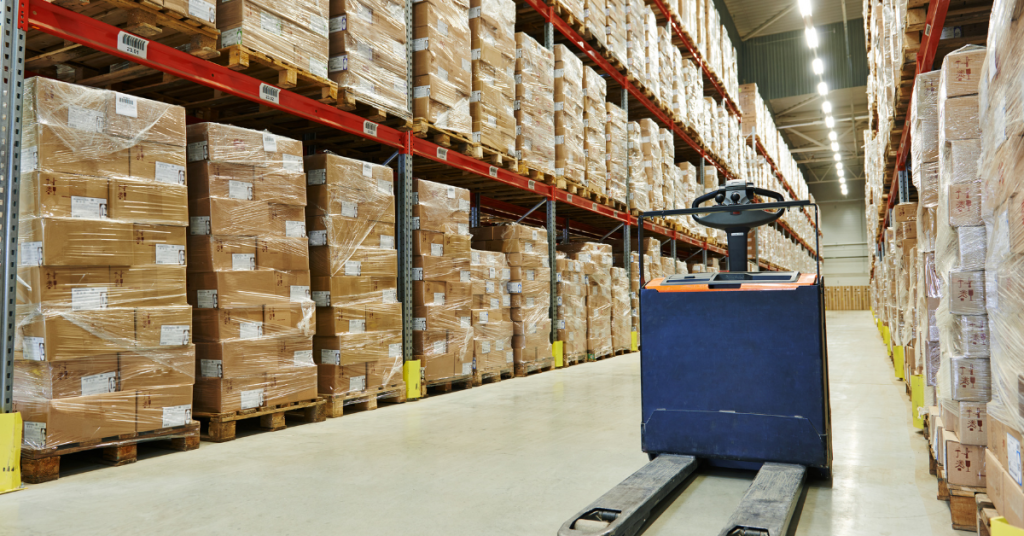
When considering air freight options, you might wonder why lightweight pallets are often the go-to choice. It’s not just about reducing costs; these pallets offer several advantages that might surprise you. They not only lower shipping expenses by decreasing overall weight but also enhance fuel efficiency, which is vital for sustainability. You might also be interested in how they adhere to air freight regulations while ensuring cargo security and minimising risks. But what truly sets them apart in today’s competitive logistics landscape? Let’s explore the factors that make lightweight pallets indispensable for air freight. Key Takeaways – Lightweight pallets reduce overall shipment weight, leading to lower shipping costs and improved cost efficiency. – They enhance fuel efficiency and reduce carbon emissions by decreasing freight weight. – Using lightweight pallets maximises cargo space, allowing for increased payload and revenue potential. – They contribute to a lower environmental impact by promoting recyclable materials and reducing waste. – Lightweight pallets improve handling efficiency and safety, decreasing operational strain and accident risks. Cost Efficiency When it comes to air freight, cost efficiency is a critical consideration that directly impacts the bottom line. By focusing on cost savings, you can optimise your shipping strategy. One of the primary methods to achieve this is through the strategic selection of pallets. Lightweight pallets not only reduce the overall weight of your shipments but also play a pivotal role in minimising shipping rates. These rates are typically calculated based on weight and volume, so selecting lighter materials can lead to substantial financial benefits. Analysing shipping rates, you’ll notice that even a small reduction in weight per pallet can lead to significant cost savings over time. For instance, if your operation involves frequent shipments, the cumulative effect of using lightweight pallets can result in a noticeable decrease in annual transportation expenses. This is particularly true in air freight, where costs escalate quickly with increased weight. Additionally, a detailed examination of data from logistics providers reveals that companies consistently using lightweight pallets report a reduction in shipping costs by as much as 20%. This analytical approach underscores the importance of choosing the right pallets to achieve cost efficiency in air freight operations. Weight Reduction Benefits Reducing weight in air freight operations offers tangible benefits that extend beyond mere cost savings. Utilising lightweight pallets directly impacts fuel efficiency. For every kilogram reduced from the freight’s total weight, there’s a measurable reduction in fuel consumption, which positively influences carbon emissions. This isn’t just an environmental advantage; it’s a strategic business decision. You’ll find that lighter pallets allow for greater payload flexibility, enabling you to optimise each flight’s load capacity without compromising load stability. Material innovation plays a significant role in this weight reduction. Advanced composite materials, like reinforced plastics and lightweight metals, provide robust solutions without the added weight. These innovations guarantee that while the pallet is lighter, it remains durable and capable of securing cargo effectively. When you incorporate these pallets, you’re not just lightening the load; you’re enhancing the overall structural integrity of your freight operations. Moreover, the reduction in pallet weight can lead to decreased wear and tear on aircraft, resulting in lower maintenance costs over time. By leveraging these cutting-edge materials, you’re setting a course for more efficient, sustainable air freight operations that prioritise both economic and environmental outcomes. Maximising Cargo Space Maximising cargo space in air freight operations is essential for optimising efficiency and profitability. When you focus on cargo optimization strategies, lightweight pallets can play a pivotal role in enhancing space utilisation. By reducing the weight of the pallets themselves, you can allocate more of the aircraft’s weight capacity to actual cargo. This, in turn, allows for more goods to be transported per flight, maximising revenue potential. Lightweight pallets also contribute to better adherence to air freight regulations. Regulations often impose strict limits on both weight and volume, and using lighter pallets means you can carry more goods within these constraints. This compliance not only avoids penalties but also guarantees smoother logistics operations. Data-driven analyses show that optimising cargo space with lightweight pallets can lead to significant cost savings. For instance, a study indicates that reducing pallet weight by 15% can increase cargo capacity by up to 5%. Such efficiency gains can make a substantial difference in competitive markets where margins are tight. Environmental Impact Lightweight pallets offer more than just economic advantages in air freight; they also greatly impact environmental sustainability. By opting for lightweight pallets, you reduce the carbon footprint associated with air transportation. These pallets, often crafted from recyclable materials, considerably cut down on fuel consumption due to their reduced weight. Data shows that a decrease in pallet weight by just a few kilograms can result in substantial fuel savings across multiple flights, directly translating to lower emissions. Sustainability practices are central to modern logistics, and using lightweight pallets plays an essential role. By integrating recyclable materials into pallet production, you contribute to a circular economy, minimising waste and promoting reuse. Lightweight pallets often use materials like corrugated cardboard or advanced plastics, both of which offer recyclability without compromising strength. Moreover, the durability of these materials guarantees that pallets have a longer life cycle, reducing the need for frequent replacements and further conserving resources. The environmental benefits extend beyond mere material usage; they include decreased energy demands during manufacturing. Enhanced Handling and Safety When it comes to enhanced handling and safety, lightweight pallets offer a considerable advantage in air freight logistics. You’ll find that they streamline operations by improving handling efficiency. Their reduced weight means less strain on manual and automated equipment, minimising the risk of accidents and damage. According to industry studies, these pallets can decrease loading and unloading times by up to 25%, translating to faster turnaround and increased operational productivity. Lightweight pallets also contribute greatly to pallet durability. Despite weighing
Why Choose Heavy Pallets for Industrial Transport?

When it comes to industrial transport, sometimes a more robust choice might be the wiser path. You might wonder why heavy pallets are gaining traction in this competitive arena. They offer substantial benefits, like enhanced load capacity and increased stability, which can make a significant difference in your logistics operations. Their compatibility with machinery and sustainable material options are just the tip of the iceberg. So, what’s the real impact on your bottom line and operational efficiency? Let’s explore how these sturdy giants can transform your industrial transport strategy. Key Takeaways – Heavy pallets offer enhanced load capacity and stability, ensuring even weight distribution and minimising transport imbalances. – They improve durability, reducing stress on components and preventing damage to goods during transit. – Investing in heavy pallets leads to cost-effectiveness and operational efficiency, with reduced replacement frequency and maintenance needs. – Their robust design ensures compatibility with machinery, minimising downtime and equipment malfunctions. – Using sustainable materials in heavy pallets supports environmental goals and enhances brand reputation. Enhanced Load Capacity When you’re considering heavy pallets for industrial transport, enhancing load capacity is essential for maximising efficiency and safety. You need to focus on strategic load distribution to guarantee that the weight is evenly spread across the pallet. This not only prevents damage to your goods but also minimises the risk of pallet failure. By analysing the weight and volume of your cargo, you can determine the best arrangement, guaranteeing the pallet supports the load without overextending its capacity. Material efficiency plays a critical role here. Opt for materials that provide the strength needed to withstand heavy loads without adding unnecessary weight. This approach not only increases load capacity but also reduces transportation costs by minimising the pallet’s weight. Evaluate the different materials available, such as high-density polyethylene or reinforced wood composites, which offer superior strength-to-weight ratios. Improved Durability Considering the demands of industrial transport, improving the durability of heavy pallets is vital to guaranteeing long-term performance and reliability. When you’re dealing with high-volume shipments and frequent handling, pallets must withstand significant wear and tear. A key factor in enhancing their durability is ideal weight distribution. By designing pallets to evenly spread the load, you reduce the stress on individual components, minimising the risk of damage during transit and storage. This strategic approach not only prolongs the lifespan of the pallets but also maintains the integrity of the goods they support. Focusing on effective load management further bolsters the durability of heavy pallets. It’s important to analyse and understand the specific load requirements of your operations. By selecting materials and construction methods that align with these requirements, you guarantee that your pallets remain robust under varying conditions. This analytical approach helps prevent common issues such as warping, cracking, or collapsing. Additionally, it allows you to adapt to changes in load types or weights, providing flexibility in your transport processes. By prioritising improved durability through strategic weight distribution and load management, you guarantee your industrial pallets can handle the rigours of their environment effectively. Cost-Effectiveness Over Time As you’ve improved the durability of heavy pallets, it’s equally important to evaluate their cost-effectiveness over time. Making an upfront investment in heavy pallets might seem intimidating, but strategically, it paves the way for substantial long-term savings. These pallets are designed to withstand rigorous industrial use, reducing the need for frequent replacements. You effectively lower the costs associated with purchasing new pallets and minimise downtime caused by damaged goods or compromised shipments. Additionally, consider the operational efficiency that heavy pallets bring to the table. Their robust construction guarantees smoother handling and compatibility with automated systems, leading to faster loading and unloading processes. This efficiency translates into reduced labour costs and quicker turnaround times, further enhancing your bottom line. By adopting heavy pallets, you’re optimising your supply chain and streamlining operations, which are essential for maintaining a competitive edge. Moreover, heavy pallets often require less maintenance, which means fewer disruptions in your workflow. Over time, these factors collectively contribute to a more predictable budget and fewer unexpected expenses. Ultimately, choosing heavy pallets isn’t just about immediate cost; it’s a strategic decision that enhances your business’s financial health over time. Increased Stability in Transit Heavy pallets provide unparalleled stability during transit, ensuring your goods arrive intact and undamaged. When you’re transporting large volumes of products, the significance of proper load distribution can’t be overstated. Heavy pallets excel at evenly distributing weight, preventing imbalances that could cause shifts or topples during transport. By using these pallets, you strategically minimise the risk of uneven loads, which could otherwise compromise stability. Effective weight management is another essential factor in maintaining transit stability. With heavy pallets, you gain the ability to manage weight more precisely, ensuring that your freight remains steady throughout its journey. This is especially important when dealing with varying product weights and sizes. By choosing heavy pallets, you enhance your control over how weight is distributed, leading to a smoother transit experience. Analysing the benefits of heavy pallets, you’ll find they help maintain the integrity of your shipping process. Their robust construction handles the demands of industrial transport, making them a reliable choice for businesses aiming to reduce transit complications. In your quest for efficient logistics, heavy pallets offer a strategic advantage by improving overall stability, ultimately supporting your operational goals. Reduced Damage to Goods When it comes to protecting your goods, heavy pallets remarkably reduce damage during transport. They provide a sturdy foundation that enhances transport efficiency by minimising movement and shifting of products. This stability is essential because it prevents items from colliding, which often leads to damage. By effectively distributing the weight of the load across a larger surface area, heavy pallets guarantee that goods remain securely in place, even when faced with abrupt stops or uneven surfaces. Incorporating heavy pallets into your transport
What’s the Lifespan of a Medium Pallet?

When considering the lifespan of a medium pallet, you’ve got several factors to ponder. It’s not just about the material—whether it’s wood, plastic, or metal—but also how often you use it and the care it receives. A wooden pallet might surprise you with its shorter life due to moisture and handling, while plastic or metal could offer more durability. Regular inspections and repairs play an essential role too. But what are the best practices to guarantee your pallets last as long as possible? Let’s explore strategies that can maximise their longevity and efficiency. Key Takeaways – Medium pallets typically last 3-5 years with proper maintenance and storage conditions. – The lifespan of a medium pallet depends on the material, with metal and plastic generally lasting longer than wood. – Regular inspections and prompt repairs can significantly extend a medium pallet’s lifespan. – Usage frequency and load distribution greatly influence the wear and durability of medium pallets. – Proper handling and storage techniques are crucial in preventing premature wear and prolonging pallet lifespan. Factors Affecting Pallet Lifespan Several key factors notably influence the lifespan of a medium pallet. First, proper pallet maintenance is vital. Regular inspections help you identify and address minor damages before they escalate into major issues. By keeping pallets clean and dry, you prevent moisture accumulation that can lead to warping or weakening of the structure. Repairs should be prioritised, guaranteeing that any loose boards or nails are fixed promptly. Maintaining a routine check and repair schedule can greatly extend a pallet’s useful life. Second, load distribution plays a critical role. Uneven distribution of weight can cause stress on certain areas of the pallet, leading to premature wear and potential failure. To mitigate this, confirm that loads are evenly placed and balanced across the pallet surface. Overloading should be avoided, as exceeding weight limits can compromise the structural integrity of the pallet. Material Types and Durability Understanding the factors affecting a pallet’s lifespan naturally leads to examining the materials that constitute the pallet itself. Different materials offer varied durability and resistance to environmental factors. Wooden pallets, for instance, are popular due to their strength and ability to bear substantial loads. However, they’re susceptible to moisture, which can compromise their integrity over time. Applying proper maintenance practices such as regular inspections and repairs can extend their lifespan considerably. Plastic pallets, on the other hand, boast impressive material properties. They resist moisture, pests, and chemicals, making them highly durable. While the upfront cost is higher, their low maintenance requirements often justify this investment, as they tend to last longer than wood. Metal pallets offer the highest durability, withstanding extreme conditions and heavy loads. Their robustness makes them ideal for specific industries requiring durability over flexibility. However, they’re prone to rust without proper maintenance practices, like coating or painting to prevent corrosion. Composite pallets blend materials to enhance specific properties, offering a balanced solution. They’re lighter than metal but more durable than wood, providing a versatile option. Usage Frequency Impact Frequency of use plays a critical role in determining a pallet’s lifespan. When you use a pallet more frequently, it naturally experiences more stress, leading to quicker deterioration. Each time a pallet is loaded, moved, or stored, it undergoes physical strain that contributes to its overall wear patterns. Analyse how often your pallets are in circulation. A high frequency impact means that even the most durable pallets will face accelerated wear and tear. When you assess the frequency impact, consider the load weight and distribution as these factors amplify stress. Constant rotation and handling can cause splintering, cracking, or other structural weaknesses in the pallet. You should inspect them regularly for signs of damage. These wear patterns can compromise safety and efficiency if overlooked. Furthermore, different industries have varying frequency demands. For example, retail environments might cycle pallets more rapidly than warehouses storing bulk goods. Recognize these industry-specific impacts to better manage your pallet inventory. Prioritising pallets with optimised usage frequency can extend their lifespan. By understanding the relationship between usage frequency and wear patterns, you can make informed decisions about how to best preserve your pallet investments. Proper Handling Techniques To extend the lifespan of a medium pallet, mastering proper handling techniques is vital. Begin by making certain your team is well-versed in pallet handling. This means understanding how to lift, move, and stack pallets safely. First, check for damage before use. Inspect for cracks, splinters, or loose nails, as these can compromise safety and efficiency. When lifting pallets, use forklifts or pallet jacks correctly, keeping the load balanced and secure. Safety practices are essential. Train staff to lift with their legs, not their backs, to prevent injury. Confirm they wear appropriate gear, such as gloves and safety shoes, to protect against splinters and dropped loads. Additionally, always keep pallets away from sharp corners or hazardous areas to minimise wear and tear. When stacking, make sure the stack is stable. Align pallets evenly, and don’t exceed recommended height limits to prevent tipping. This reduces stress on lower pallets, maintaining their integrity. Regularly rotate stock to avoid prolonged pressure on any single pallet, which can lead to warping or breakage. By implementing these structured handling techniques, you’ll maximise the utility and longevity of your medium pallets efficiently. Environmental Considerations In addition to proper handling techniques, considering the environmental impact is key to extending the lifespan of medium pallets. By addressing environmental concerns, you not only contribute to sustainability but also enhance pallet durability. Here’s how to incorporate eco-friendly practices: Material Selection: Choose pallets made from sustainable materials such as recycled wood or plastic. This reduces the environmental impact and increases the chances of recycling options at the end of their lifecycle. Recycling Options: Establish a recycling program for pallets that have reached the end of their useful life. This can involve
What Are the Advantages of Using Medium Weight Euro Pallets in Logistics?

When you’re considering logistics solutions, medium weight Euro pallets might just offer the edge you need. Their enhanced load capacity and durability guarantee your goods are well-protected during transport, and their standardised dimensions make them a seamless fit in various transport systems. This compatibility not only reduces errors but also optimises space utilisation. Plus, they’re cost-effective due to their long lifespan, cutting down on replacements and maintenance. But there’s more to these pallets than meets the eye. How can they further streamline your supply chain while being environmentally conscious? Let’s explore the potential benefits together. Key Takeaways – Medium weight Euro pallets offer enhanced load capacity and durability, ensuring safe transport of diverse goods. – They provide a cost-effective solution with reduced material costs and maintenance expenses. – Improved manoeuvrability and transportation efficiency due to their lighter structure and compatibility with forklifts. – Standardised dimensions ensure compatibility across transport systems, reducing logistics errors and delays. – Made from sustainable materials, they promote environmental benefits through reduced carbon footprint and efficient recycling. Enhanced Load Capacity Medium weight Euro pallets offer significant advantages in logistics, particularly through their enhanced load capacity. When you’re managing logistics, the ability to maintain ideal load distribution is essential. These pallets are engineered to handle substantial weights, which guarantees that goods are securely supported during transit. With a focus on weight management, medium weight Euro pallets distribute weight evenly across their surface, minimising the risk of damage to goods or the pallet itself. This efficient load distribution is important when you’re loading diverse products, as it reduces the stress concentrations that can lead to breakage or inefficiencies in handling. Incorporating medium weight Euro pallets into your logistical operations means you’re not only improving stability but also enhancing safety. The strategic design of these pallets allows them to accommodate varying weights without compromising structural integrity. This is achieved through precise engineering that maximises the balance between durability and weight, making them suitable for a broad range of goods. Cost-Effective Solution When evaluating logistics solutions, opting for medium weight Euro pallets proves to be a cost-effective choice. These pallets strike a balance between durability and cost, making them ideal for efficient budget management. You can achieve significant savings by reducing material costs without compromising on load-bearing capabilities. With medium weight Euro pallets, you’ll streamline your operations by minimising expenses associated with pallet procurement and maintenance. Shipping efficiency is another critical factor enhanced by these pallets. Their standardised dimensions guarantee full compatibility with various modes of transport, optimising space utilisation in trucks, shipping containers, and warehouses. This compatibility reduces the number of trips required, directly cutting down fuel and labour costs. You’ll notice improvements in loading and unloading times, further contributing to cost savings in your logistics chain. Additionally, medium weight Euro pallets are more durable than their lightweight counterparts, leading to a reduction in the frequency of replacements. This longevity not only supports sustainable practices but also aids in long-term budget management. Improved Manoeuvrability As you consider the cost-effective benefits of medium weight Euro pallets, it’s equally important to recognize their role in enhancing mobility within your logistics operations. The pallet design is essential for ensuring smooth handling and transport. With their lighter structure, these pallets enable easier lifting and repositioning, reducing the physical strain on your workforce. This lighter weight doesn’t compromise durability, as they’re built to endure considerable loads while remaining agile. When it comes to transportation efficiency, the design of these pallets allows for seamless movement through various handling systems. Their compatibility with forklifts and pallet jacks is optimised, enabling quicker and safer changes from one stage of your logistical chain to another. This efficiency is amplified in confined spaces where mobility is paramount. Their size and weight make traversing narrow aisles and tight corners less cumbersome, reducing the risk of damage to both goods and infrastructure. Moreover, using medium weight Euro pallets can streamline loading and unloading processes, minimising delays and improving overall throughput. Standardised Dimensions How do standardised dimensions of medium weight Euro pallets impact logistics operations? By adhering to standard sizes, these pallets guarantee compatibility across a wide range of transportation and storage systems. You’ll find that the dimensions of a Euro pallet, typically 1200mm x 800mm, align with industry standards, facilitating seamless integration across various logistical networks. This uniformity means you can efficiently plan storage and loading processes, as these pallets fit perfectly within standardised racking systems and transport containers. Using Euro pallets with standardised dimensions reduces errors and delays in logistics. When you know the precise size of the pallets you’re working with, it allows for more accurate space calculation, optimising the use of available space. This precision in dimension guarantees that you can stack pallets securely, reducing the risk of damage during transit and storage. Additionally, standardised sizes simplify cross-border logistics, as Euro pallets are widely accepted across Europe and beyond, minimising the need for pallet exchange or modification. Ultimately, the adherence to industry standards in pallet dimensions streamlines logistical operations, improving efficiency and reducing costs. By guaranteeing compatibility and predictability, standardised Euro pallets can greatly enhance your logistics strategy. Increased Durability While standardised dimensions guarantee compatibility, the increased durability of medium weight Euro pallets further strengthens their role in logistics. You’ll find that these pallets are designed with enhanced structural integrity, contributing considerably to pallet longevity. They’re built to withstand rigorous conditions, reducing the frequency of replacements. By using advanced materials and engineering techniques, these pallets offer superior damage resistance, essential for handling heavy loads and frequent movement. In your logistics operations, the durability of these pallets minimises disruptions. Damage resistance means they’re less likely to suffer from cracks, splinters, or collapse under pressure, guaranteeing the safety and security of your cargo. This reliability reduces the risk of product damage during transit and storage, which is a critical
How Can Plastic Pallets Enhance Safety and Hygiene in Food and Pharmaceutical Industries?

You might think traditional wooden pallets get the job done, but plastic pallets offer clear advantages when it comes to safety and hygiene in the food and pharmaceutical industries. They feature a non-porous surface that helps reduce microbial growth and contamination risks. Additionally, they’re easy to clean and maintain, resistant to chemicals and moisture, and adhere to FDA and USDA regulations. Their durability and lightweight design also minimise workplace injuries. So, how exactly do these benefits translate into cost-effectiveness and sustainability in your daily operations? Key Takeaways – Plastic pallets’ non-porous surfaces significantly reduce microbial growth and contamination risks, unlike wooden pallets. – They are easy to clean and maintain, supporting efficient sanitation processes critical for hygiene. – Chemical and moisture resistance prevents absorption of contaminants, ensuring safer storage and transportation. – Compliance with FDA and USDA guidelines ensures that plastic pallets meet stringent hygiene standards. – Their durability and resistance to splintering or breaking reduce contamination risks and maintain product integrity. Reduced Contamination Risk When it comes to reducing contamination risk, plastic pallets offer a notable advantage over their wooden counterparts. In food and pharmaceutical industries, minimising contamination sources is essential. Wooden pallets can harbour bacteria, mould, and pests due to their porous nature. This increases the risk of product contamination. Plastic pallets, however, are non-porous and resistant to moisture, which greatly reduces microbial growth. Your handling procedures will also benefit from using plastic pallets. They’re less prone to splintering, which decreases the risk of physical contaminants entering your products. In addition, plastic pallets don’t absorb contaminants from spills, unlike wooden pallets that can soak up and retain liquids, making them difficult to sanitise. Regulatory compliance is another vital factor. Plastic pallets align with stringent guidelines set by agencies like the FDA and USDA. They guarantee your operations meet hygiene standards, reducing the likelihood of regulatory infractions. Easy Cleaning and Maintenance One key advantage of plastic pallets in food and pharmaceutical industries is their ease of cleaning and maintenance. These pallets are designed to support efficient cleaning processes, which is critical in environments where hygiene standards are non-negotiable. Unlike wooden pallets, plastic ones don’t absorb liquids, making them less likely to harbour bacteria or mould. Implementing maintenance protocols becomes straightforward with plastic pallets. Their smooth surfaces allow for quick and thorough cleaning using standard industry-approved sanitising agents and pressure washers. This ease of cleaning aligns with regulatory guidelines such as those set by the FDA and EU for maintaining sanitary conditions in food and pharmaceutical processing areas. Additionally, plastic pallets are resistant to splintering and don’t have nails or other sharp components that could complicate maintenance or introduce contaminants. Regular inspections and cleanings can be efficiently scheduled and performed, ensuring that your facility remains compliant with stringent hygiene standards. The durability of plastic pallets also means fewer replacements and repairs, reducing overall maintenance costs. Chemical Resistance How do plastic pallets fare when exposed to harsh chemicals commonly used in food and pharmaceutical industries? They excel by offering robust chemical properties that guarantee durability even under stringent conditions. Plastic pallets, unlike their wooden counterparts, are highly resistant to acids, alkalis, and solvents. This resistance is vital because it maintains the structural integrity of the pallet, thereby upholding the safety standards set by regulatory bodies like the FDA and USDA. When you utilise plastic pallets, you’re mitigating the risks associated with chemical degradation. For instance, wooden pallets can absorb chemicals, leading to contamination and compromising the safety of your products. Plastic pallets, however, don’t absorb these substances, guaranteeing a cleaner and safer environment for food and pharmaceutical applications. Moreover, the non-porous nature of plastic pallets means they’re easier to disinfect, bolstering your sanitation protocols. They withstand rigorous cleaning agents, which are often necessary to meet industry-specific safety standards. Moisture Resistance Moisture is a formidable adversary in both food and pharmaceutical environments, but plastic pallets offer an exceptional defence against it. Effective moisture management is essential to maintaining stringent hygiene standards mandated by regulatory bodies like the FDA. Unlike traditional wooden pallets, plastic pallets are impermeable, meaning they can’t absorb water. This characteristic minimises the risk of bacterial growth, mould, and contamination, thereby enhancing your operational safety. The pallet design of plastic options is inherently resistant to moisture. Advanced manufacturing techniques guarantee that these pallets feature smooth surfaces and sealed edges, which prevent the accumulation of liquids and debris. This makes cleaning and sanitising easier, guaranteeing compliance with strict hygiene regulations. Additionally, plastic pallets can be sterilised through high-temperature washing or chemical disinfectants without deteriorating. This resilience bolsters their effectiveness in environments where moisture control is vital. Durability and Longevity When evaluating materials for pallets in food and pharmaceutical industries, the durability and longevity of plastic pallets stand out as key advantages. Plastic pallets are engineered for high load capacity, ensuring they can handle the demanding weight requirements typical in these sectors. Their material strength not only supports heavy loads but also resists cracking and breaking under pressure, markedly reducing the risk of contamination from physical debris. You’ll find that the lifespan of plastic pallets far exceeds that of traditional wooden pallets. This longevity translates to fewer replacements and lower long-term costs. Unlike wood, plastic doesn’t splinter or suffer from moisture-induced degradation, maintaining structural integrity over time. This robustness is critical in environments where hygiene and safety are paramount. Plastic pallets are also easy to clean and sanitise, an essential feature for industries governed by stringent hygiene protocols. Their resistance to chemical corrosion further enhances their suitability, ensuring that they remain safe and effective even when exposed to harsh cleaning agents. Compliance With Regulations Beyond their impressive durability and longevity, plastic pallets also meet the stringent regulatory standards required in the food and pharmaceutical industries. These sectors are governed by rigorous guidelines set forth by bodies like the FDA and USDA.
Why Are Unstamped Euro Pallets Gaining Popularity in the European Market?

Picture unstamped Euro pallets as silent workhorses, quietly revolutionising logistics across Europe. You might wonder why these unassuming platforms are stealing the spotlight. Well, their surge in popularity isn’t just about cost savings, though businesses are enjoying up to 15% reductions. It’s also about the broader benefits—flexibility, sustainability, and streamlined operations. As companies increasingly lean towards eco-friendly practices, unstamped pallets seem like a natural fit. But what exactly makes them stand out in such a competitive market? Let’s explore the key factors driving this trend. Key Takeaways – Cost savings of up to 15% on pallet costs make unstamped Euro pallets an economical choice. – Quick sourcing and reduced lead times enhance supply chain flexibility and operational efficiency. – Simplified regulatory compliance minimises costs and enhances supply chain agility. – Customization options, including branding and functional enhancements, meet specific business needs. – Growing preference for eco-friendly practices drives demand for unstamped pallets made from sustainable materials. Cost-Effectiveness Evaluating the cost-effectiveness of unstamped Euro pallets in the European market reveals several financial advantages for businesses. One of the primary benefits is cost savings. Unstamped pallets typically come at a lower price point compared to their stamped counterparts. By choosing unstamped pallets, you can reduce your overall expenditure on materials without compromising on quality, especially for domestic transportation where regulatory stamps aren’t mandatory. Next, let’s explore pricing strategies. Businesses in the European market often operate on thin margins, making cost management essential. By integrating unstamped pallets into your logistics, you can allocate more resources to other critical operations or pass the savings onto your customers, enhancing competitive positioning. Additionally, unstamped pallets can be sourced from a wider range of suppliers, further driving down costs through increased competition. Data indicates that companies utilising unstamped Euro pallets report up to a 15% reduction in pallet costs. This kind of cost efficiency directly impacts your bottom line, allowing for reinvestment in growth areas such as technology or workforce development. To conclude, unstamped Euro pallets offer a strategic, data-backed approach to achieving substantial cost savings and optimising pricing strategies. Supply Chain Flexibility When considering supply chain flexibility, unstamped Euro pallets offer significant advantages. You’ll find that these pallets contribute to both supply chain resilience and logistics optimization. For instance, unstamped pallets can be easily sourced, reducing lead times and guaranteeing that your operations don’t face delays. This availability guarantees that you can quickly adapt to changing demand without compromising efficiency. Data shows that unstamped pallets streamline logistics processes. They’re versatile and compatible with various handling equipment, which simplifies your warehousing and transportation. This versatility minimises disruptions and enhances your overall supply chain performance. Additionally, unstamped Euro pallets are generally lighter, which can lower shipping costs and fuel consumption, further optimising your logistics. Another compelling benefit is the standardisation across multiple regions. You don’t need to worry about regulatory discrepancies, making cross-border logistics smoother and more predictable. This standardisation boosts supply chain resilience by reducing the risks associated with international shipping. Regulatory Changes How do regulatory changes impact the utilisation of unstamped Euro pallets in the European market? Regulatory compliance and evolving trade agreements play a significant role. When regulations shift, businesses must adapt quickly to stay compliant. These changes often mandate alterations in logistics and supply chain strategies, directly affecting pallet choices. For instance, recent EU trade agreements have simplified cross-border transactions, reducing the need for stamped pallets. This reduction in regulatory requirements has made unstamped Euro pallets more attractive. Additionally, compliance with safety and quality standards has become more streamlined, allowing businesses to opt for unstamped pallets without facing penalties. Consider the following impacts: – Simplification of Cross-Border Trade: New trade agreements streamline the process, making unstamped pallets viable for international shipping. – Cost Efficiency: Reduced regulatory compliance costs make unstamped pallets a more economical choice. – Increased Flexibility: Businesses can adapt more quickly to regulatory changes, enhancing supply chain agility. – Standardisation: Harmonised regulations across the EU minimise the need for multiple types of pallets, favouring unstamped options. In this data-driven environment, keeping abreast of regulatory changes guarantees you can leverage the benefits of unstamped Euro pallets, optimising both compliance and operational efficiency. Environmental Impact While regulatory changes indeed simplify cross-border trade and reduce costs, the environmental impact of utilising unstamped Euro pallets warrants careful consideration. You need to evaluate how these pallets align with sustainability practices. Unstamped Euro pallets often use untreated wood, which can be both a pro and a con. On one hand, untreated wood is more biodegradable, but on the other, it may not last as long, potentially increasing waste. Moreover, without the standardisation of stamped pallets, you might find inconsistencies in wood quality, affecting their longevity and reuse potential. Recycling initiatives for these pallets vary widely across the EU, making it essential for you to understand regional differences. For example, Germany has advanced recycling facilities capable of handling unstamped pallets efficiently, while other countries may lag behind. Data shows that increasing the lifecycle of pallets through repair and reuse reduces the need for new wood, directly impacting deforestation rates. Consequently, your focus should be on enhancing recycling initiatives and implementing robust sustainability practices. Customisation Options Customization options for unstamped Euro pallets offer a significant advantage for businesses looking to tailor their logistics solutions. By opting for unstamped versions, you can better align pallet specifications with your unique design preferences and operational needs. This flexibility extends beyond simple structural adjustments; it encompasses a range of possibilities that can enhance your supply chain efficiency. Consider the following customization opportunities: – Design Preferences: Modify dimensions, weight capacity, and materials to fit specific product requirements, ensuring ideal load management and storage. – Branding Opportunities: Enhance brand visibility by adding logos, colour schemes, or distinct markings that make your pallets instantly recognizable. – Functional Enhancements: Incorporate additional features like