CM Pallets

Are Plastic Pallets the Future of Sustainable Shipping?

Are Plastic Pallets the Future of Sustainable Shipping?

You’ve probably noticed the buzz around plastic pallets and their potential to revolutionise sustainable shipping. They offer a significant reduction in carbon footprints and boast a lifespan up to ten times longer than traditional wooden pallets. With advancements in manufacturing and recycling, these pallets are becoming more cost-effective and environmentally friendly. But are they truly the game-changer everyone’s talking about, or do they come with hidden drawbacks? Let’s explore how plastic pallets stack up regarding durability, cost efficiency, and overall impact on global shipping practices.   Key Takeaways   – Plastic pallets offer superior durability, lasting up to 10 times longer than wooden pallets, reducing waste and replacement frequency. – They are highly recyclable, contributing to reduced deforestation and landfill waste through closed-loop recycling systems. – Enhanced hygiene and safety make plastic pallets ideal for food and pharmaceutical industries, complying with strict sanitation standards. – Technological advancements in production and digital tracking improve efficiency, lifespan, and inventory management of plastic pallets. – Despite higher initial costs, long-term savings are substantial due to reduced maintenance, lower shipping costs, and extended lifespan.   Environmental Impact   When considering the environmental impact of plastic pallets, it’s vital to examine both their benefits and drawbacks thoroughly.   Plastic pallets are often touted for their potential in waste reduction and resource conservation. A life cycle assessment reveals that these pallets, made from eco-friendly materials, can have a lower carbon footprint compared to traditional wooden pallets, especially if they’re recycled at the end of their lifecycle.   However, it’s important to also consider the energy consumption involved in manufacturing plastic pallets. The production process generally requires significant energy, which can result in higher emissions.   Despite this, advancements in technology and stricter environmental policies are pushing for reduced energy consumption and emissions reduction during production.   Analysing the overall carbon footprint, plastic pallets can offer advantages in emissions reduction, particularly when integrated into a closed-loop recycling system. They also contribute to waste reduction by being reusable and recyclable.   To guarantee their eco-friendliness, it’s important to source plastic pallets from manufacturers adhering to sustainable practices and environmental policies.   To conclude, plastic pallets present a complex but potentially beneficial option for reducing environmental impact in shipping, provided their entire lifecycle is managed sustainably.   Durability and Longevity   One significant advantage of plastic pallets lies in their impressive durability and longevity. When you examine their construction, you’ll find that plastic pallets excel in impact resistance, making them less prone to damage during handling and transport. Unlike wooden pallets, which can splinter, crack, or break, plastic pallets maintain their structural integrity under various conditions, reducing the need for frequent replacements.   In terms of weight distribution, plastic pallets offer uniform load support, which is particularly beneficial for shipping delicate or heavy items. They distribute weight evenly across their surface, minimising pressure points and reducing the risk of damage to goods. This even weight distribution also enhances the safety of stacking and storage, as it prevents the pallets from warping or collapsing under heavy loads.   Empirical data supports these claims. Studies indicate that plastic pallets can last up to ten times longer than their wooden counterparts. For instance, a report from the National Wooden Pallet and Container Association highlights that the average lifespan of a wooden pallet ranges from 3 to 5 trips, while plastic pallets often endure upwards of 100 trips.   This long-term durability translates into fewer replacements and less waste, contributing to more sustainable shipping practices.   Cost Efficiency   Switching to plastic pallets can really pay off when you consider cost efficiency. While the initial investment for plastic pallets is higher compared to traditional wooden ones, their durability can lead to substantial long term savings. Studies show that plastic pallets can last up to 10 times longer than wood. This durability reduces the frequency of replacements, directly impacting your bottom line.   Additionally, plastic pallets are lighter, which means you’ll save on shipping costs. The average plastic pallet weighs about 30% less than a wooden pallet, leading to lower fuel consumption and reduced transportation expenses. This weight reduction can translate to significant savings, especially when scaled across large shipments.   Moreover, plastic pallets are less prone to damage and require minimal maintenance. Unlike wood, they don’t splinter or harbour pests, which decreases repair costs and compliance-related expenditures.   Data indicates that companies using plastic pallets report up to 50% lower maintenance costs.   Reusability and Recycling   Plastic pallets offer significant advantages regarding reusability and recycling. Unlike wooden pallets, which often degrade after a few uses, plastic pallets are made from durable, reusable materials. This longevity not only reduces waste but also lowers long-term costs. You can use them repeatedly without compromising their structural integrity, making them a sustainable option.   Consider these key points:   Durability: Plastic pallets can be used multiple times, sometimes lasting up to ten years. This reduces the need for frequent replacements.   Recycling: At the end of their life cycle, plastic pallets can be recycled. Advanced recycling processes convert them into new pallets or other plastic products.   Hygiene: Plastic pallets are easier to clean and sanitise, reducing the risk of contamination and making them ideal for industries like food and pharmaceuticals.   Environmental Impact: By choosing plastic pallets, you’re contributing to reduced deforestation and less landfill waste. The use of recyclable and reusable materials makes them an eco-friendly choice.   Load Capacity   When it comes to load capacity, plastic pallets demonstrate a remarkable ability to handle substantial weights without compromising their structural integrity. Their design optimises weight distribution, ensuring that loads are evenly spread across the planet’s surface. This reduces the risk of damage to goods and minimises the chances of pallet failure during transit or storage.   Data shows that plastic pallets can support static loads of up to 30,000 pounds and dynamic loads of around 5,000 pounds, depending on the specific pallet design. These figures are competitive with traditional wooden pallets, which

Why Should You Consider Unstamped Euro Pallets for Your Business Operations?

Why Should You Consider Unstamped Euro Pallets for Your Business Operations?

Have you ever considered how switching to unstamped Euro pallets could streamline your business operations? These pallets not only offer substantial cost savings but also provide increased flexibility to meet your diverse shipping needs. Beyond just cutting expenses, they enhance your sustainability efforts, often constructed from recycled materials. Simplified compliance with fewer regulatory hurdles makes your logistics smoother, while their widespread availability guarantees your supply chain remains robust and adaptable. Curious to know how these advantages can specifically impact your business efficiency and market responsiveness? Let’s explore further.   Key Takeaways   – Cost Savings: Unstamped Euro pallets offer significant supplier discounts and lower maintenance costs, aiding in budget efficiency without compromising on quality. – Increased Flexibility: They adapt easily to varying shipping requirements, enhancing logistical adaptability and inventory management. – Improved Sustainability: Made from recycled or sustainably sourced wood, they reduce environmental impact and align with global sustainability goals. – Simplified Compliance: Avoiding complex international regulations, they reduce administrative burdens and streamline operations. – Enhanced Availability: Readily available, unstamped pallets ensure efficient product organisation, quicker turnaround times, and a more responsive supply chain.   Cost Savings   When it comes to cost savings, opting for unstamped Euro pallets can greatly reduce your business’s shipping and handling expenses.   First, consider the benefits of bulk purchasing. Buying unstamped Euro pallets in large quantities can lead to significant discounts from suppliers. These savings can be substantial when compared to the higher costs associated with stamped pallets, which often include certification fees.   Maintenance costs also play a vital role in your overall savings. Unstamped pallets generally have simpler requirements for upkeep and repairs. You won’t need to adhere to stringent regulations that stamped pallets demand, which means lower maintenance costs in the long run.   This reduced need for specialised handling can translate to fewer expenses on repairs and replacements.   Additionally, unstamped pallets are often constructed from cheaper materials or reclaimed wood, further driving down costs. This doesn’t mean compromising on quality; instead, it allows you to allocate your budget more efficiently.   Increased Flexibility   Your logistics operations will gain increased flexibility by using unstamped Euro pallets. These pallets offer logistical advantages that can streamline your supply chain processes. Without the constraints of standardised stamps, you can easily adapt to different shipping requirements and regulations, enhancing your ability to respond quickly to market changes.   Unstamped Euro pallets also facilitate more efficient inventory management. Because they aren’t bound by specific certification requirements, you can source them more readily, reducing lead times and ensuring a steady supply.   This availability allows you to maintain peak stock levels, minimising both overstock and stockouts. Additionally, the versatility of unstamped pallets enables seamless integration into various warehousing systems, making it easier to manage and track your inventory.   Improved Sustainability   Leveraging unstamped Euro pallets doesn’t just boost flexibility; it also greatly enhances sustainability. By opting for these pallets, you’re actively contributing to reduced waste. Traditional stamped pallets often require heat treatments or chemical fumigations to meet regulations, which can lead to environmental degradation. Unstamped pallets, on the other hand, skip these processes, making them a more eco friendly option.   Your business can benefit from these eco-friendly practices in multiple ways. First, unstamped Euro pallets are typically made from recycled or sustainably sourced wood. This reduces the demand for virgin timber, thereby conserving natural resources.   Second, these pallets are easier to recycle at the end of their life cycle. Unlike stamped pallets that may contain harmful chemicals, unstamped ones are simpler to break down and repurpose.   Additionally, adopting unstamped Euro pallets can improve your company’s environmental footprint. This not only aligns with global sustainability goals but also enhances your brand’s reputation among eco-conscious consumers.   Simplified Compliance   Traversing regulatory landscapes can often feel like a labyrinth, but unstamped Euro pallets simplify compliance. These pallets eliminate the need to navigate complex international regulatory requirements, making your operations more streamlined.   Unlike stamped pallets, which often require adherence to stringent and varied regulations across different regions, unstamped Euro pallets offer a more straightforward alternative. You won’t need to worry about ensuring that each pallet meets specific regional standards, reducing the administrative burden on your team.   Using unstamped Euro pallets enhances your operational efficiency. By sidestepping the intricate maze of compliance associated with stamped pallets, you can focus more on core business activities. This simplification leads to fewer delays and minimises the risk of non-compliance, which can result in costly fines and disruptions.   Your logistics team can allocate their time and resources more effectively, optimising overall workflow.   In addition, unstamped Euro pallets are versatile and universally accepted, further easing regulatory concerns. Their design meets general safety and quality standards, allowing for seamless integration into your supply chain.   This universal acceptance means fewer complications and smoother operations, enhancing both productivity and profitability. Unstamped Euro pallets are an intelligent choice for businesses aiming to simplify compliance while boosting efficiency.   Enhanced Availability   One of the key advantages of unstamped Euro pallets is their enhanced availability, an important factor in maintaining smooth business operations. By opting for unstamped pallets, you’re less likely to face shortages that could disrupt your supply chain.   These pallets are easier to source as they don’t require the specific stamps and certifications that can often cause delays in procurement. Enhanced availability of unstamped Euro pallets means you can better manage your inventory.   When pallets are readily available, you can efficiently organise and store your products, minimising downtime and maximising productivity. This is essential for effective inventory management, as it allows for quicker turnaround times and reduces the risk of stockouts.   Moreover, the flexibility of unstamped Euro pallets can lead to cost savings. Since they’re more readily available, you won’t need to invest as much time and resources in locating and acquiring them.   This streamlined process guarantees that your supply chain remains robust, agile, and responsive to market demands.   Frequently Asked

How Do Plastic Pallets Compare to Wooden Pallets in Terms of Durability?

How Do Plastic Pallets Compare to Wooden Pallets in Terms of Durability?

You might think plastic pallets are practically indestructible compared to their wooden counterparts, and you’d be pretty close to the truth. When considering durability, plastic pallets offer several advantages, such as better moisture resistance and enhanced structural integrity over a wide temperature range. They don’t warp or foster fungal growth like wooden pallets do, which means fewer maintenance headaches for you. But how do they stack up regarding load-bearing capacity and overall lifespan? Let’s explore these aspects to see if plastic pallets are worth the investment.   Key Takeaways   – Plastic pallets have higher tensile strength and durability, making them suitable for heavy-duty applications. – Plastic pallets resist moisture and fungal growth, while wooden pallets absorb moisture, causing swelling and warping. – Plastic pallets maintain structural integrity across a wider temperature range, unlike wooden pallets which degrade with temperature fluctuations. – Wooden pallets are prone to splintering and cracking, requiring frequent repairs, whereas plastic pallets exhibit greater longevity and minimal maintenance needs. – Plastic pallets generally last up to 10 years, significantly outlasting wooden pallets, which typically last 1 to 3 years.   Material Composition   When evaluating the material composition of pallets, understanding the intrinsic properties of plastic and wood is essential.   Plastic pallets, typically made from high-density polyethylene (HDPE) or polypropylene (PP), offer uniformity in material composition due to controlled manufacturing processes. These materials are recyclable, contributing to sustainability initiatives. HDPE and PP exhibit high tensile strength and durability, making them suitable for heavy-duty applications. Additionally, the injection moulding process guarantees consistent quality and structural integrity.   In contrast, wooden pallets are primarily constructed from hardwoods or softwoods, such as oak or pine. The variability in wood grain and density can affect the pallet’s overall performance and load-bearing capacity.   Wood is a natural, renewable resource, and wooden pallets can be recycled into mulch or other wood-based products. However, the manufacturing process of wooden pallets involves milling, sawing, and nailing, which can introduce inconsistencies.   Resistance to Moisture   Moisture resistance is a vital factor in the pallet industry, directly impacting longevity and performance. When comparing plastic pallets to wooden pallets on this front, it’s important to understand how each material handles moisture absorption and the potential for fungal growth.   Plastic pallets excel in moisture resistance due to their non-porous nature. Unlike wood, plastic doesn’t absorb water, making it inherently resistant to moisture-related issues. This characteristic leads to several advantages:   Reduced Fungal Growth: Plastic pallets don’t provide the organic material necessary for fungi to thrive, minimising contamination risks in hygienic environments.   Consistent Weight: Since plastic pallets don’t absorb moisture, their weight remains consistent, which is essential for logistical calculations and transportation costs.   Longer Lifespan: With no moisture absorption, plastic pallets are less prone to degradation, extending their usable life and reducing replacement frequency.   On the other hand, wooden pallets are susceptible to moisture absorption, which can lead to swelling, warping, and ultimately, structural failure.   Additionally, the absorbed moisture creates an ideal environment for fungal growth, potentially compromising both the pallet’s integrity and the safety of transported goods.   As a result, in environments where moisture is a concern, plastic pallets offer a superior alternative to their wooden counterparts.   Impact of Temperature   Temperature variations greatly affect the performance and durability of both plastic and wooden pallets. When subjected to extreme temperature fluctuations, plastic pallets exhibit superior resilience. High-density polyethylene (HDPE) and polypropylene (PP) materials used in plastic pallets maintain their structural integrity over a wide temperature range, typically from -40°C to 60°C.   This thermal insulation property minimises warping, cracking, and brittleness, making plastic pallets ideal for cold chain logistics and environments with significant temperature changes.   Conversely, wooden pallets are more susceptible to temperature-induced degradation. Wood fibres expand and contract with temperature fluctuations, leading to potential warping and splintering.   Additionally, wooden pallets lack inherent thermal insulation, making them prone to moisture absorption when exposed to freezing or high heat conditions. This can compromise the pallet’s load-bearing capacity and structural stability over time.   Wear and Tear   The impact of temperature on pallets naturally leads us to reflect on another critical factor: wear and tear. When evaluating the longevity and sustainability of plastic versus wooden pallets, it’s crucial to take into account how each material withstands daily use.   Plastic pallets offer superior resistance to moisture, chemicals, and biological contaminants, which greatly reduces their rate of degradation. In contrast, wooden pallets are prone to splintering, cracking, and absorbing liquids, leading to faster deterioration.   Wear and tear considerations can be broken down into three main areas:   Durability: Plastic pallets can endure harsh environments and repeated use without considerable damage, whereas wooden pallets typically have a shorter lifespan.   Maintenance: Wooden pallets require regular repairs, such as replacing broken boards, while plastic pallets generally need minimal upkeep.   Environmental Impact: Plastic pallets can be recycled multiple times, reducing waste and promoting sustainability. However, wooden pallets, despite being recyclable, often end up in landfills due to contamination or damage.   Load-Bearing Capacity   When it comes to load-bearing capacity, plastic pallets often outperform their wooden counterparts. Plastic pallets exhibit superior load distribution due to their uniform construction and material consistency. In industry-standard stress testing, plastic pallets have been shown to support heavier loads without deforming or failing. This is largely because plastic’s tensile strength and flexibility enable it to withstand higher stress levels, making it a reliable choice for heavy-duty applications.   You’ll find that plastic pallets maintain their load-bearing capacity over time, even in environments with significant temperature and humidity fluctuations. In contrast, wooden pallets are susceptible to moisture absorption, which can compromise their structural integrity and reduce their load capacity. Data from multiple industry studies indicate that plastic pallets can hold up to 30% more weight than wooden pallets when subjected to identical conditions.   Additionally, plastic pallets are often designed with reinforced corners and integrated support structures, enhancing their ability to distribute weight evenly.

What Are Printer Pallets and Why Are They Essential for the Printing Industry?
What Are Printer Pallets and Why Are They Essential for the Printing Industry?

Did you know that over 80% of printing errors are due to substrate misalignment? You might not realise it, but printer pallets play an important role in avoiding these costly mistakes. By providing stable support and preventing slippage, they guarantee your prints are accurate and high-quality. Constructed from durable materials like aluminium and steel, printer pallets are built to last and often come with adjustable features for versatility. Curious about how these essential tools can boost your productivity and reduce misprints? Let’s explore the significant role of printer pallets in the printing industry.   Key Takeaways   – Printer pallets stabilise substrates, ensuring accurate and consistent print alignment. – Durable materials like aluminium and steel enhance pallet longevity and performance in production runs. – Advanced designs with features like vacuum hold-downs prevent substrate slippage and misalignment. – Modular and customizable pallets streamline job changeovers, boosting printing productivity. – Non-stick surface coatings on pallets facilitate cleaning and prevent ink buildup.   Understanding Printer Pallets   Printer pallets, the unsung heroes of the printing industry, serve as foundational supports for various printing processes. You mightn’t realise it, but the choice of printer pallet materials and printer pallet design can greatly impact the quality and efficiency of your printing operations.   High-performance printer pallets are typically made from robust materials like aluminium, steel, or high-density polyethylene. These materials guarantee durability and longevity, fundamental for withstanding the rigorous demands of high-volume printing.   When it comes to printer pallet design, precision is key. A well-designed pallet will offer ideal alignment and stability, essential for maintaining print accuracy. Look for features such as adjustable brackets and quick-release mechanisms that can streamline the setup process and reduce downtime.   Ergonomic considerations are also important; a lightweight yet sturdy design can improve ease of handling and operator safety.   Types of Printer Pallets   Considering the importance of durable materials and precise design, let’s explore the various types of printer pallets that cater to different printing needs.   The most common types include standard pallets, vacuum pallets, and specialty pallets, each designed for specific printing processes.   Standard pallets are typically constructed from aluminium or steel, offering rigidity and durability. These pallet materials are ideal for screen printing, providing a stable surface for applying ink onto substrates like textiles and paper.   Vacuum pallets, on the other hand, integrate a suction mechanism to hold thin or delicate materials firmly in place during printing. This type of pallet is essential for processes involving lightweight substrates, such as film or very fine fabrics, ensuring precise alignment and reducing the risk of movement.   Specialty pallets are tailored for unique applications. These can include oversized pallets for large-format printing or curved pallets for printing on irregular surfaces like sleeves or caps.   They often require custom fabrication and are constructed from materials that match specific printing requirements, such as heat-resistant coatings for high-temperature processes.   Key Functions of Printer Pallets   When it comes to the key functions of printer pallets, they serve as the backbone of any printing operation, ensuring seamless material handling and precise print alignment.   These platforms are designed to hold substrates firmly in place, which is essential for achieving high printing accuracy. By stabilising the material during the printing process, printer pallets eliminate any potential for slippage or misalignment, thereby maintaining consistent print quality.   You’ll find that the choice of pallet materials considerably impacts the performance of your printer pallets. Common materials include aluminium, steel, and specialised composites, each offering unique benefits.   For instance, aluminium pallets are lightweight and resistant to corrosion, making them ideal for environments requiring frequent cleaning. Steel pallets, on the other hand, offer superior durability and are less prone to warping under high temperatures.   Another vital function of printer pallets is their role in material handling logistics. Efficient pallet design allows for easy loading and unloading of substrates, reducing downtime and increasing overall productivity.   Additionally, advanced printer pallets often feature adjustable clamps or vacuum systems to accommodate various substrate thicknesses, further enhancing printing accuracy and operational efficiency.   Benefits of Using Printer Pallets   Among the myriad advantages of using printer pallets, their ability to greatly enhance printing accuracy stands out. Printer pallets provide a stable, precisely engineered surface that guarantees consistent print alignment, reducing the risk of misprints and waste. The choice of printer pallet materials, such as aluminium or high-density polyethylene, plays an essential role in maintaining this accuracy over long production runs. These materials offer durability and resistance to warping, which is vital for high-quality output.   Pallet design is another important factor contributing to efficiency. Modern printer pallets are designed with features like vacuum hold-downs and adjustable clamps, which keep substrates securely in place. This prevents any movement during the printing process, ensuring that each print is identical to the last.   Additionally, the modular design of some printer pallets allows for quick changeovers between jobs, markedly reducing downtime and increasing overall productivity.   Moreover, using printer pallets can enhance the versatility of your printing operation. Advanced designs accommodate various substrate sizes and types, from textiles to rigid boards, making them indispensable for businesses that need to switch between different projects rapidly.   Choosing the Right Printer Pallet   Selecting the right printer pallet is vital to optimising your printing operations. The choice directly impacts print quality, workflow efficiency, and overall productivity.   When choosing a printer pallet, consider these significant factors:   – Printer Pallet Materials: The material directly affects durability and heat resistance. Common choices include aluminium for its lightweight and rigidity, and phenolic resin for its heat resistance and non-stick properties.   – Printer Pallet Sizes: Verify the pallet dimensions match your printing press and the substrates you handle. Standard and custom sizes are available to cater to different requirements.   – Attachment Mechanism: Look into how the pallet attaches to your press. Compatibility with your machine’s existing mechanisms is essential to avoid any operational disruptions.   – Surface

What Are the Key Differences Between Grade A and Grade B Pallets?
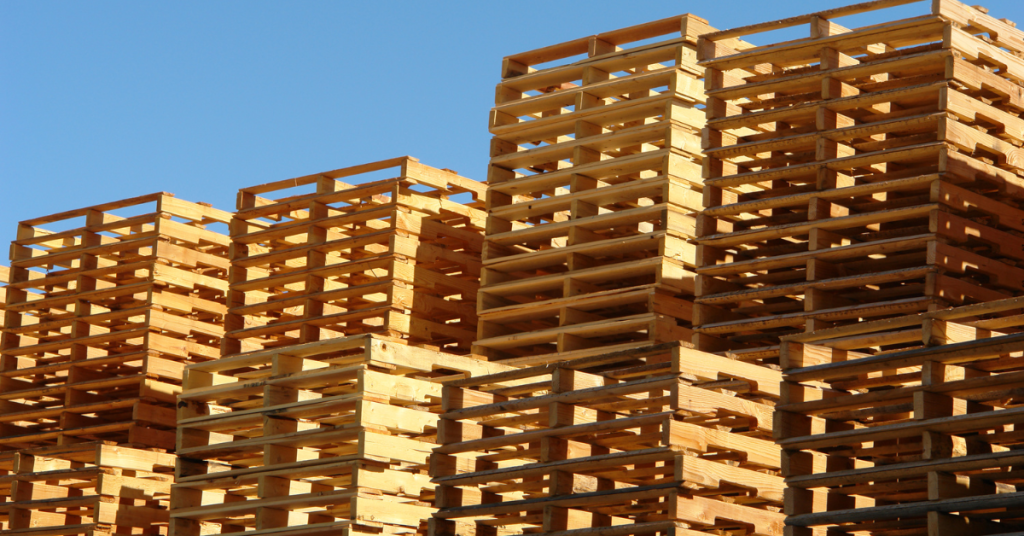
What Are the Key Differences Between Grade A and Grade B Pallets?

By coincidence, you might have noticed that not all pallets are created equal, especially when comparing Grade A and Grade B. You’ll find that Grade A pallets are constructed with higher-quality materials, offering superior durability and a cleaner appearance. Conversely, Grade B pallets, while more budget-friendly, often show signs of wear and are less robust. This disparity affects their load capacity and best use cases considerably. So, what really sets them apart in practical terms, and how should you decide which type suits your needs best?   Key Takeaways   – Grade A pallets are made from higher-quality wood and undergo rigorous treatment processes. – Grade A pallets exhibit a cleaner and more uniform appearance with minimal imperfections. – Grade A pallets have superior structural integrity and extended lifespan compared to Grade B. – Grade A pallets typically offer higher load capacity due to better construction standards. – Grade A pallets have a higher upfront cost but lower long-term costs due to durability.   Quality of Materials   When considering the quality of materials, Grade A pallets generally use higher-quality wood and construction standards compared to Grade B pallets.   You’ll find that Grade A pallets often come from more reliable material sources, ensuring consistent performance and strength. These pallets mainly use hardwoods or high-grade softwoods, which contribute to their superior load-bearing capacity.   In terms of treatment standards, Grade A pallets usually undergo rigorous processes like heat treatment or chemical fumigation to meet industry regulations such as ISPM-15.   This guarantees that the wood is free from pests and pathogens, making these pallets suitable for international shipping. Additionally, the nails and fasteners used in Grade A pallets are often of higher quality, reducing the risk of pallet failure during transit.   Grade B pallets, on the other hand, typically involve reclaimed or recycled wood.   While they meet basic functional requirements, their variable material sources can lead to inconsistencies in quality. Treatment standards for Grade B pallets mightn’t be as stringent, potentially affecting their suitability for specific applications.   Durability and Longevity   Although both Grade A and Grade B pallets serve essential roles in logistics, their durability and longevity markedly differ.   Grade A pallets, often constructed from higher-quality hardwood or treated softwood, boast superior structural integrity and can endure repeated use in rigorous conditions.   On the other hand, Grade B pallets, typically composed of recycled or repaired wood, may not match the resilience of Grade A but offer a cost-effective alternative for less demanding applications.   Here’s what you need to evaluate:   – Lifespan: Grade A pallets usually last longer due to their robust construction, potentially offering several years of service with minimal maintenance.   – Maintenance Requirements: Grade B pallets often require more frequent inspections and repairs, increasing your maintenance workload and costs.   – Environmental Impact: While Grade A pallets might seem more resource-intensive initially, their extended lifespan can reduce the frequency of replacements, thereby lowering long-term environmental impact.   – Load Capacity: Grade A pallets generally support heavier loads more reliably, reducing the risk of product damage during transit.   Appearance and Condition   In terms of appearance and condition, Grade A pallets exhibit a cleaner and more uniform look, often featuring fewer blemishes and repairs.   These pallets maintain high design aesthetics, presenting minimal surface imperfections, which enhances their visual appeal. Typically, Grade A pallets have a consistent colour and wood quality, reflecting minimal usage and better overall maintenance.   In contrast, Grade B pallets show more signs of wear and tear.   You’ll notice these pallets have undergone multiple repairs, often with additional plugs and plates to reinforce damaged areas. This results in a more varied and inconsistent appearance, which can detract from their visual appeal. The design aesthetics of Grade B pallets are less prioritised, focusing more on functionality than looks.   Data indicates that Grade A pallets usually have a lower percentage of replaced deck boards and stringers compared to Grade B.   Specifically, Grade A pallets might’ve up to 25% replaced components, whereas Grade B pallets can have 50% or more. This difference in repair frequency directly impacts their appearance and condition, making Grade A the preferable choice when visual appeal is a critical factor in your supply chain operations.   Load Capacity   Load capacity is a critical aspect to evaluate when choosing between Grade A and Grade B pallets. Understanding the load capacity guarantees you’re making the right choice for your logistical needs.   Grade A pallets typically offer a higher load capacity due to their superior construction and integrity. In contrast, Grade B pallets, which are often refurbished or repaired, mightn’t sustain the same level of weight.   Consider these key points:   – Pallet Specifications: Grade A pallets usually conform to stringent specifications, guaranteeing uniformity in dimensions and build quality, which directly impacts load capacity.   – Weight Distribution: Proper weight distribution is essential for maximising load capacity. Grade A pallets provide a more reliable platform for even weight distribution due to their consistent structure.   – Material Integrity: The materials used in Grade A pallets are generally less compromised, resulting in a higher load-bearing capacity compared to Grade B pallets.   – Usage Lifecycle: Grade A pallets, being newer or less used, maintain their structural integrity longer, supporting higher loads over extended periods.   Cost Comparison   When evaluating the cost of Grade A versus Grade B pallets, it’s essential to take into account both immediate expenses and long-term value. Grade A pallets, typically made from higher-quality materials, often come with a higher upfront cost. You might find price variations between $10 to $12 per pallet for Grade A, compared to $6 to $8 for Grade B. These differences stem from the higher durability and better construction of Grade A pallets, which can support heavier loads and have fewer repairs.   However, don’t just focus on the initial purchase price. Grade A pallets generally offer a longer lifespan, which translates to

Should You Choose Grade A or Grade B Pallets for Your Next Shipment?

Should You Choose Grade A or Grade B Pallets for Your Next Shipment?

When deciding between Grade A and Grade B pallets for your next shipment, you need to weigh several important factors. Grade A pallets offer superior strength and durability, making them ideal for high-value or international shipments. On the other hand, Grade B pallets are more cost-effective, suitable for lighter domestic loads. But is the upfront cost saving worth potential long-term expenses? Before you make a choice, think about how each option impacts safety, environmental considerations, and overall efficiency. What might seem like a straightforward decision could have significant implications for your supply chain.   Key Takeaways   – Grade A pallets offer superior strength and durability, making them ideal for international shipping and high-value or sensitive goods. – Grade B pallets are cost-effective for lighter loads and domestic transfers but may need more frequent replacements. – Grade A pallets comply with stringent regulations and provide better safety, minimising injury risks for personnel. – Grade B pallets support sustainability goals through recycling, promoting a circular economy and reducing new wood requirements. – Grade A pallets ensure consistent load stability and have a longer lifespan, reducing long-term expenses despite higher initial costs.   Understanding Pallet Grades   How do you determine the best pallet grade for your needs? Start by evaluating the pallet material. Grade A pallets, often made from high-quality wood, offer superior strength and durability. They’re ideal if your shipping logistics demand robust support, especially for heavy or high-value cargo.   Conversely, Grade B pallets, which may contain repaired or recycled wood, can be sufficient for lighter loads or shipments where pallet appearance isn’t critical.   Next, consider the specifics of your shipping logistics. If you’re shipping internationally, stringent regulations might necessitate Grade A pallets due to their consistent quality and fewer repairs.   For domestic or intra-company transfers, Grade B pallets could be cost-effective while still meeting your operational needs.   Strategically, assess the frequency of reuse. Grade A pallets typically withstand multiple cycles, reducing long-term costs and material waste.   However, if single-use pallets suffice for your logistics, Grade B pallets can be a practical solution without compromising functionality.   Cost Analysis   When conducting a cost analysis for pallet selection, it’s crucial to weigh immediate expenses against long-term value. The choice between Grade A and Grade B pallets hinges on several factors that impact your overall budget and shipping efficiency.   Initial Pallet Price: Grade A pallets generally come at a higher upfront cost compared to Grade B pallets. This difference can be significant if you’re purchasing in bulk.   Shipping Efficiency: High-quality Grade A pallets are typically more uniform in size and structure, which can streamline loading and unloading processes, potentially reducing labour costs and shipping times.   Replacement Frequency: While Grade B pallets are cheaper initially, they may need replacement more frequently, adding to long-term costs. Consider how often you’ll need to buy new pallets.   Volume Discounts: Bulk purchasing can affect pallet price. Suppliers might offer discounts on larger orders, making Grade A pallets more affordable over time if you’re buying in high quantities.   Durability Comparison   Durability stands at the forefront of considerations when choosing between Grade A and Grade B pallets. You need to weigh how the pallet lifespan and material quality will impact your shipment’s success.   Grade A pallets, often made from higher-quality wood and fewer repairs, boast a longer lifespan. They’re less likely to break under stress, guaranteeing fewer disruptions in your supply chain.   Grade B pallets, on the other hand, are typically refurbished from Grade A units. Though their material quality might show signs of previous use, they’re still functional. However, the increased frequency of repairs can shorten their overall lifespan. You might find yourself replacing Grade B pallets more often, adding to maintenance costs over time.   Strategically, if your shipments involve heavy loads or high-frequency use, opting for Grade A pallets could be more economical despite their higher upfront cost. They’ll save you from frequent replacements and potential delays.   Conversely, for lighter, less frequent shipments, Grade B pallets might suffice, balancing durability with cost-effectiveness.   Analysing pallet lifespan and material quality guarantees you make an informed decision, aligning with your operational needs and budget constraints. Consider your specific requirements to choose the most durable and strategic option.   Safety Considerations   While durability is a key factor in pallet selection, ensuring the safety of your operations and personnel is equally important. When deciding between Grade A and Grade B pallets, you need to evaluate how each option will impact overall safety.   Here’s how you can strategically assess this:   Pallet Inspection: Regularly inspect pallets for any signs of damage or wear. Grade A pallets typically show fewer signs of wear compared to Grade B, which reduces the risk of accidents.   Safety Regulations: Compliance with safety regulations is non-negotiable. Grade A pallets often meet higher safety standards, minimising the risk of regulatory non-compliance and associated penalties.   Load Stability: Assess how each grade affects load stability. Grade A pallets usually provide more consistent support, reducing the chance of shifts or collapses during transit.   Workforce Safety: Evaluate the safety of your personnel handling the pallets. Grade A pallets, being in better condition, are less likely to cause injuries related to splinters, breaks, or unstable loads.   Environmental Impact   Evaluating the environmental impact of your pallet choice is essential for sustainable operations. When comparing Grade A and Grade B pallets, it’s important to take into account how each aligns with your sustainability practices.   Grade A pallets, often newer and less repaired, may have a longer lifespan, reducing the frequency of replacements. This durability can lead to fewer resources consumed over time.   On the other hand, Grade B pallets, typically more repaired and recycled, offer considerable environmental benefits through extended reuse. By opting for Grade B, you support recycling options, minimising waste and promoting a circular economy. This choice can notably lower your carbon footprint, as less new wood is

What Makes Grade B Pallets a Cost-Effective Choice for Your Supply Chain?

What Makes Grade B Pallets a Cost-Effective Choice for Your Supply Chain?

Choosing Grade B pallets for your supply chain can be a strategic move due to their lower initial costs and adequate durability. You might find these pallets particularly appealing because they’re sourced from refurbished Grade A pallets, offering a balance between performance and expense. Their widespread availability guarantees you won’t face shortages, and effective maintenance can keep repair costs minimal. Additionally, these pallets help you contribute to sustainability efforts by reducing landfill waste. But what about their compliance with standards and other hidden benefits you might not have considered yet?   Key Takeaways   – Lower Initial Cost: Grade B pallets offer significant upfront cost savings compared to Grade A options, allowing better budget allocation. – Adequate Durability: These pallets provide reliable performance and durability, making them suitable for various supply chain needs. – Environmental Benefits: Made from reclaimed wood, Grade B pallets reduce deforestation and landfill waste, supporting sustainability goals. – Reduced Repair Costs: Efficient refurbishment and maintenance strategies minimise ongoing repair expenses and downtime. – Wide Availability: Grade B pallets are easily sourced across markets, ensuring consistent supply and operational efficiency.   Lower Initial Cost   When considering Grade B pallets for your logistics needs, one of the most compelling advantages is their lower initial cost. By opting for Grade B pallets, you can greatly reduce your upfront expenses compared to Grade A options. Conducting a thorough cost comparison reveals that Grade B pallets often come at a fraction of the price, allowing you to allocate your budget more strategically.   In terms of market trends, the demand for Grade B pallets has been steadily increasing. This surge is largely due to businesses recognising the value in cost savings without sacrificing functionality for many applications. The market has adapted, offering a wider variety of Grade B pallets, which in turn drives down prices further due to competitive pressures.   Analysing cost comparison data, you’ll find that these pallets provide an excellent return on investment, particularly for businesses operating on tight margins. The lower initial cost allows you to invest in other critical areas of your supply chain, such as technology upgrades or workforce training.   From a strategic standpoint, incorporating Grade B pallets into your logistics framework enables you to maintain operational efficiency while keeping costs in check, aligning with current market trends favouring cost-effective solutions.   Adequate Durability   You might be wondering about the durability of Grade B pallets, and it’s a valid consideration. While these pallets aren’t brand new, they undergo a thorough strength assessment to guarantee they can handle the rigours of your supply chain.   Grade B pallets often come from retired Grade A pallets that have been repaired and reinforced. This process involves replacing damaged boards and securing loose nails, which restores much of their original strength.   In terms of life expectancy, Grade B pallets offer a balanced performance. They may not last as long as new pallets, but they provide sufficient durability for many supply chain needs.   Typically, you can expect several years of reliable use, especially if they’re handled properly and not subjected to extreme conditions. This makes them a strategic choice for businesses looking to optimise costs without greatly compromising on performance.   Availability and Supply   Considering the strategic importance of pallet availability, Grade B pallets emerge as a readily accessible option within the market.   Recent supply chain trends highlight the need for businesses to adapt quickly to fluctuations in demand and inventory levels. Grade B pallets, being widely available, guarantee that you can maintain operational efficiency without disruptions.   Grade B pallets offer several advantages regarding availability and supply:   – Widespread Availability: These pallets are commonly found in various markets, making pallet sourcing straightforward.   – Consistent Supply: Due to their popularity and demand, suppliers often carry large inventories of Grade B pallets.   – Cost-Effective Sourcing: They’re generally more affordable than Grade A pallets, allowing you to allocate resources more strategically.   – Recycling and Reuse: Grade B pallets are often refurbished, supporting sustainability efforts while maintaining supply levels.   Reduced Repair Costs   Reduced repair costs present a strategic benefit of Grade B pallets. When you choose Grade B pallets, you’re not just saving money upfront; you’re also minimising ongoing expenses.   These pallets are often refurbished using efficient repair techniques that extend their lifespan without compromising functionality. This means fewer replacements and lower costs over time.   Implementing effective maintenance strategies for Grade B pallets can considerably reduce the frequency and severity of repairs. Regular inspections and timely repairs help you catch minor issues before they escalate into major problems.   By doing this, you make certain your pallets remain in good working condition longer, which lowers downtime and keeps your supply chain running smoothly.   Moreover, Grade B pallets are generally constructed from reused materials, which are readily available and less expensive than new wood.   This contributes to lower repair costs since the materials needed for repairs are cost-effective. By strategically choosing Grade B pallets, you’re optimising your supply chain’s efficiency and cost-effectiveness.   Environmental Benefits   In addition to the financial advantages, opting for Grade B pallets greatly benefits the environment. These pallets offer a significant sustainability impact, making them an excellent choice for eco-conscious businesses. Here’s why:   – Recycling potential: Grade B pallets are often made from reclaimed wood, reducing the need for new timber and minimising deforestation.   – Waste reduction: By reusing and refurbishing pallets, you’re helping to decrease the volume of waste sent to landfills.   – Energy conservation: Manufacturing new pallets consumes more energy compared to refurbishing existing ones. By choosing Grade B pallets, you’re contributing to lower energy consumption.   – Carbon footprint: Reusing pallets diminishes the carbon emissions associated with producing new ones, aligning with global efforts to combat climate change.   When you integrate Grade B pallets into your supply chain, you’re not only cutting costs but also making a strategic choice that supports environmental stewardship.  

What Are Grade A Pallets and Why Should Your Business Use Them?

What Are Grade A Pallets and Why Should Your Business Use Them?

Imagine a sturdy, well-crafted wooden pallet that looks almost brand new, with smooth surfaces and strong boards that promise reliability. Grade A pallets are exactly that—high-quality refurbished pallets that stand up to stringent safety standards and minimal wear. You might wonder why your business should invest in these, and the reasons extend beyond their durability and impressive appearance. From cost-effectiveness to environmental benefits, there are multiple compelling factors that make Grade A pallets a smart choice for your logistics needs. Curious about how these pallets could transform your operations?   Key Takeaways   – Grade A pallets are high-quality refurbished pallets with minimal wear and tear, ideal for consistent and reliable operations. – Constructed from durable wood types like oak or maple, ensuring strength and durability for heavy loads. – Their uniform appearance and thorough inspections make them suitable for automated systems and improve operational efficiency. – Using Grade A pallets reduces transportation losses, enhances company image, and simplifies logistics planning. – They support sustainability through reusability, longer lifespan, and reduced carbon footprint, aligning with eco-friendly business practices.   Definition of Grade A Pallets   When discussing Grade A pallets, it’s vital to understand their defining characteristics. Grade A pallets are fundamentally used pallets that have undergone stringent refurbishing processes to meet high-quality standards. These pallets often appear nearly new, showing minimal wear and tear.   They’re typically constructed from durable wood materials and adhere to precise pallet specifications. To qualify as Grade A, pallets must meet specific quality standards. These standards include having no broken boards, no significant cracks, and minimal to no repairs.   Any repairs made are usually done using high-quality materials that match the original construction. The pallet specifications also require that these pallets maintain a uniform appearance, ensuring consistency in colour and overall condition.   Grade A pallets are free of any protruding nails or splinters, reducing the risk of injury during handling. They’re ideal for businesses that prioritise safety and efficiency in their logistics operations.   Using Grade A pallets can also enhance your company’s image by showcasing a commitment to quality. By understanding these specifications and standards, you can make informed decisions about incorporating Grade A pallets into your supply chain.   Characteristics of Grade A Pallets   Grade A pallets frequently exhibit distinct characteristics that set them apart from lower-grade options.   First, you’ll notice that the pallet construction is of superior quality. These pallets are typically built with high-grade wood types, such as oak or maple, which are known for their strength and durability. This guarantees that your pallets can handle heavier loads and are less likely to break under pressure.   Another key characteristic is the uniformity in appearance. Grade A pallets usually have fewer imperfections, such as splits or cracks, compared to their lower-grade counterparts. The wood is often more refined, with fewer knots and blemishes, making these pallets not only functional but also visually appealing.   Moreover, Grade A pallets often undergo more thorough inspections and maintenance. They’re repaired with high-quality materials, guaranteeing that any replaced boards match the original construction standards. This meticulous attention to detail results in a longer lifespan and more reliable performance.   Furthermore, the precise and consistent construction of these pallets makes them ideal for automated systems. If your business relies on machinery for pallet handling, Grade A pallets can greatly reduce downtime and improve operational efficiency.   Comparison With Other Pallet Grades   Evaluating the differences between pallet grades provides valuable insight into their respective advantages and limitations.   When you initiate a pallet grades comparison, the quality assessment becomes vital. Grade A pallets are typically refurbished to a high standard, exhibiting minimal wear and tear. They offer a level of uniformity and reliability that often surpasses other grades.   In contrast, Grade B pallets, while still functional, usually show more signs of previous use. They may have repaired stringers and deck boards, which slightly reduces their durability and load capacity. This makes them suitable for less demanding applications but not ideal for high-stakes operations where consistency is essential.   Grade C pallets are at the lower end of the spectrum. These are often used pallets that have undergone multiple repairs and possess significant wear.   While they’re the most cost-effective, their compromised structural integrity can pose risks, making them less suitable for heavy-duty tasks.   Benefits of Using Grade A Pallets   High-quality materials and meticulous refurbishment are just a few reasons why Grade A pallets stand out. When you choose these pallets, you’re opting for a reliable solution that greatly enhances your business operations.   To begin with, efficient pallet sourcing guarantees that you consistently have access to top-tier pallets, reducing the risk of shipment delays or disruptions. With Grade A pallets, you get uniformity and consistency, which simplifies logistics planning and execution.   Transportation efficiency is another major benefit. The sturdiness and precise construction of Grade A pallets allow for better stacking and more secure loads, reducing the likelihood of damage during transit. This not only cuts down on potential losses but also minimises the need for additional packaging materials, saving both time and money.   Additionally, using Grade A pallets can improve your company’s image. Customers and partners will notice your commitment to quality, which can foster trust and long-term relationships.   Durability and Longevity   When considering the numerous benefits of Grade A pallets, it’s important to focus on their durability and longevity. These pallets are built to withstand heavy loads and harsh conditions, making them a reliable choice for your business.   By investing in Grade A pallets, you’re guaranteeing that your materials are transported and stored safely over a long period.   To maximise the durability and longevity of your pallets, consider the following steps:   Regular Pallet Maintenance: Inspect your pallets frequently for any signs of wear and tear. Early detection of issues can prevent minor damages from turning into major problems.   Proper Handling: Train your staff on the correct ways to

Pallet Handling: Discover The Reliable Equipment We Use

What Equipment Is Commonly Used for Pallet Handling?

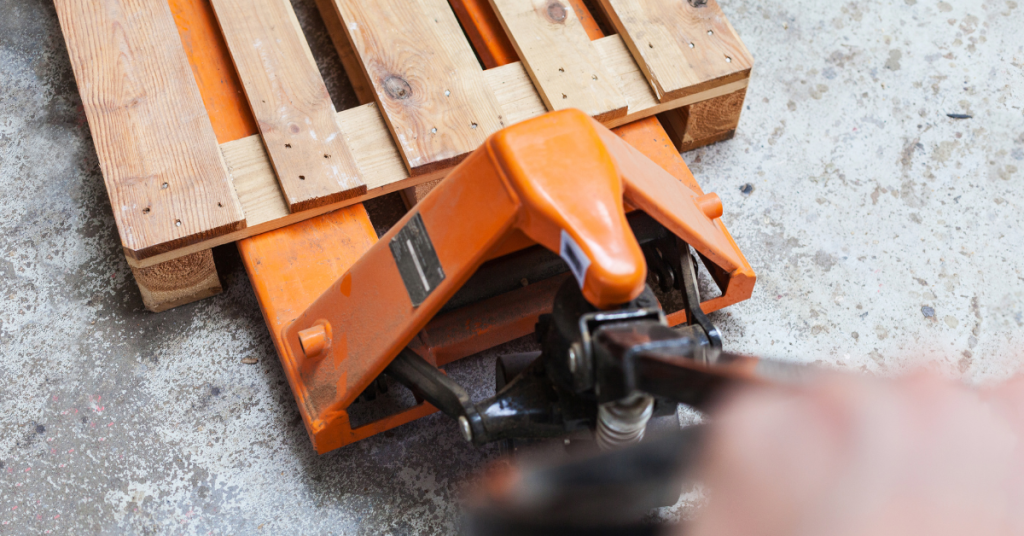
It’s interesting that you’re thinking about pallet handling equipment just as many businesses are optimizing their logistics. You’ll find that forklifts, pallet jacks, reach trucks, pallet stackers, and conveyor systems are the main players in this field. Each piece of equipment serves a distinct purpose, from the heavy lifting capabilities of forklifts to the nimble maneuverability of reach trucks. Whether you’re managing a large warehouse or a smaller retail space, understanding these tools can greatly impact your operational efficiency. But which equipment is best suited for your specific needs? Let’s explore that next. Key Takeaways – Forklifts are essential for efficient pallet handling in industrial and warehouse settings. – Pallet jacks, both manual and electric, are versatile and cost-effective for moving pallets in tight spaces. – Reach trucks provide exceptional maneuverability and precision for stacking pallets in narrow aisles. – Pallet stackers are ideal for medium-duty tasks, offering compact frames and safety features for lifting and transporting pallets. – Conveyor systems streamline the movement of goods, reducing manual labor and enhancing safety. Forklifts When it comes to pallet handling, forklifts are essential machines that provide the power and precision needed for efficient material movement and storage. You’ll find that forklifts streamline the transportation of heavy loads, lifting and moving pallets with ease. Their powerful engines and hydraulic systems enable them to lift substantial weights, making them suitable for various industrial and warehouse settings. Understanding different forklift types is important for optimizing your operations. Counterbalance forklifts, for example, are ideal for straightforward lifting tasks, with their rear-mounted counterweight ensuring stability. Reach trucks, on the other hand, are designed for high stacking in narrow aisles, featuring extendable forks that can reach deep into storage racks. You’ll also need to take into account the power source. Electric forklifts are quieter and produce no emissions, making them perfect for indoor use. However, if you’re working in outdoor or heavy-duty environments, internal combustion (IC) forklifts might be more suitable given their higher power output and faster refueling times. Safety is paramount when operating forklifts. Make sure that operators are trained and adhere to strict safety protocols, including wearing seat belts, checking load capacity, and maintaining clear visibility while maneuvering. Proper maintenance is also essential to keep these machines in top working condition. Pallet Jacks In addition to forklifts, pallet jacks offer a versatile and cost-effective solution for pallet handling loads, allowing you to maneuver materials in tight spaces with ease. These devices come in two main types: manual and electric. Manual pallet jacks rely on a hydraulic pump operated by hand to lift loads, typically up to 5,500 pounds. They’re ideal for smaller warehouses or short-distance transport due to their importance and straightforward operation. Electric pallet jacks, on the other hand, provide powered lifting and propulsion, making them suitable for larger facilities or longer distances. They usually feature a rechargeable battery, ergonomic controls, and advanced safety mechanisms like anti-roll-back systems. With load capacities ranging from 3,300 to 6,600 pounds, electric pallet jacks reduce operator fatigue and increase productivity. When selecting a pallet jack, consider factors like load capacity, fork length, and overall durability. Proper maintenance is vital; regularly check hydraulic fluid levels, wheels, and the condition of the forks. By investing in the right pallet jack and maintaining it well, you promote efficient, safe, and cost-effective pallet handling within your facility. Reach Trucks Reach trucks, designed for high stacking in narrow aisles, offer exceptional maneuverability and precision in warehouse environments. When you’re working in a confined space, these machines excel by allowing you to extend the forks forward to reach pallets without moving the entire truck. This is particularly beneficial for maximizing storage density and improving workflow efficiency. You’ll find that reach trucks are equipped with a pantograph mechanism, which enables them to extend and retract loads. This feature is essential for accessing pallets positioned deep within shelving units. Additionally, the trucks often come with advanced stability systems, ensuring the safe handling of heavy loads at high elevations. The controls are intuitive, allowing operators to execute precise movements, while the ergonomic design minimizes operator fatigue. Modern reach trucks also include digital display panels that provide critical information, such as load weight, battery status, and operational diagnostics. With lift heights often exceeding 30 feet and load capacities ranging from 2,000 to 5,500 pounds, reach trucks are indispensable for tasks requiring both height and precision. Investing in reach trucks can greatly enhance the efficiency and safety of your warehouse operations, making them a crucial component of any robust pallet handling system. Pallet Stackers While reach trucks handle high stacking in narrow aisles, pallet stackers offer a versatile solution for lifting and transporting pallets over shorter distances within a warehouse. These machines are essential for medium-duty tasks where maneuverability and precision are key. You can find both manual and electric pallet stackers, each designed to meet different pallet handling needs. Manual pallet stackers require physical effort to operate but are cost-effective and ideal for lighter loads. They typically have a hand pump for lifting and a release valve for lowering the load. On the other hand, electric pallet stackers come with powered lifting and driving mechanisms, reducing the physical strain on operators and increasing productivity. These electric models usually feature ergonomic controls, battery indicators, and adjustable forks to handle various pallet sizes. Pallet stackers are particularly useful in confined spaces where larger equipment might struggle. They often have a compact, narrow frame, enabling you to navigate tight aisles and corners efficiently. Additionally, many models incorporate safety features like load backrests, emergency stop buttons, and automatic braking systems to promote secure handling. By selecting the right pallet stacker, you can greatly enhance the efficiency and safety of your warehouse operations. Conveyor Systems Enhancing the efficiency of material flow in your warehouse, conveyor systems streamline the movement of goods by automating transport across various stages of processing. These systems can greatly reduce manual labor, minimize handling time, and improve overall productivity. When you integrate conveyor systems into your pallet

Damaged Pallets! The Essential Guide To Desposing & Recycling

Is There a Way to Properly Dispose of Damaged Pallets

Just as the ancient Greeks sought innovative ways to reuse materials, you might wonder if there’s a proper method to dispose of damaged pallets. It’s not merely about tossing them away; there are several environmentally friendly options you can consider. From recycling centers to specialized disposal services, each choice has its own set of benefits and guidelines. How do you decide which method aligns best with your sustainability goals and legal requirements? Exploring these avenues could reveal the most efficient and eco-conscious solution for your damaged pallets. Key Takeaways – Inspect pallets for repairable damage before disposal. – Utilize local recycling centers or services for wooden pallet recycling. – Consider upcycling pallets into furniture or decor. – Partner with eco-friendly disposal services for advanced recycling. – Follow local and EPA guidelines for wood waste disposal. Assessing Pallet Damage Before deciding on disposal, you need to carefully inspect pallets for any signs of damage that could affect their structural integrity or recyclability. Look for cracks, splinters, or broken boards, as these can compromise the pallet’s ability to safely support loads. Check for missing nails or fasteners, which can also weaken the entire structure. If you find any of these issues, it’s important to assess whether the damage is minor and repairable or if it’s beyond fixing. You’ll also want to take into account the material of the pallet. Wooden pallets, for instance, can be susceptible to rot or infestation by pests. Look for signs of mold, mildew, or insect activity. On the other hand, plastic pallets might’ve warping or brittleness due to prolonged exposure to UV rays. It’s significant to document your findings. Keeping a record of pallet conditions can help you make data-driven decisions about whether to repair, recycle, or dispose of them. This not only supports sustainability by reducing waste but also helps in optimizing your pallet management system. By being diligent in your inspection, you can make sure that only truly non-recyclable pallets end up in landfills. Recycling Options for Damaged Pallets Once you’ve assessed the damage, consider the various recycling options available to repurpose or reclaim materials from the unusable pallets. First, check if local recycling centers accept wooden pallets. Many facilities have protocols for breaking down wood into usable components like mulch or wood chips. You’d be contributing to a circular economy, where materials are kept in use for as long as possible. Another option is pallet recycling services that specialize in refurbishing and reselling wood. These companies often dismantle the pallets, sort the good wood from the bad, and use the salvageable pieces to create new pallets or other wood products. This process conserves resources and reduces waste. Additionally, you can explore community recycling programs that might accept pallet wood. Some municipalities have initiatives for collecting and repurposing construction materials. Statistics show that recycling one wooden pallet saves approximately 3.5 pounds of carbon dioxide emissions. By choosing to recycle, you’re actively reducing your carbon footprint. Upcycling Ideas for Damaged Pallets Turning damaged pallets into functional or decorative items can greatly reduce waste and add unique, eco-friendly elements to your space. For instance, about 95% of pallet wood can be repurposed into furniture or home decor, according to the U.S. Environmental Protection Agency. You can transform broken pallets into rustic coffee tables, bookshelves, or even garden planters. These projects not only save money but also contribute to a circular economy by extending the life of the wood. One popular upcycling idea is creating outdoor furniture. You can easily build a sturdy garden bench or patio seating with minimal tools and effort. Another option is to craft wall art or picture frames, adding a personalized touch to your home while keeping waste out of landfills. For those with a knack for gardening, pallet wood can be used to create vertical gardens or compost bins. These solutions not only help manage organic waste but also promote sustainable living practices. Partnering With Disposal Services Teaming up with disposal services guarantees that damaged pallets are responsibly recycled or disposed of, minimizing environmental impact. Partnering with specialized companies ensures that wood waste doesn’t end up in landfills, which contributes to reducing your carbon footprint. Disposal services often have access to advanced recycling facilities that can repurpose the wood into various products, such as mulch, biofuel, or even new pallets. You can start by researching local pallet disposal services that offer eco-friendly solutions. Many companies provide detailed reports on the amount of material recycled, giving you concrete data to support your sustainability goals. Additionally, some services offer pick-up options, making the process hassle-free and efficient. By collaborating with disposal services, you also contribute to the circular economy. These companies often work with various industries to repurpose materials, ensuring that nothing goes to waste. This not only helps the environment but also aligns your business with sustainable practices, which can be a significant selling point for eco-conscious customers. In essence, partnering with disposal services is a smart, data-driven strategy to handle damaged pallets responsibly, keeping your operations green and efficient. Legal and Environmental Guidelines Understanding legal and environmental guidelines is crucial for ensuring your pallet disposal practices are both compliant and sustainable. By adhering to these guidelines, you not only protect the environment but also avoid potential legal penalties. Here’s how you can align your disposal methods with current regulations and eco-friendly practices: Local Regulations: Check your local waste management laws. Different municipalities have varying rules about what can be sent to landfills, recycled, or incinerated. Knowing these can help you avoid fines and ensure proper disposal. Environmental Protection: The Environmental Protection Agency (EPA) provides guidelines on how to dispose of wood waste, including pallets. Following these can greatly minimize your environmental footprint. Certified Disposal Services: Partner with disposal services that are certified and compliant with state and federal regulations. They’ll guarantee your pallets are disposed of in the most eco-friendly way possible. Recycling Programs: Many regions offer pallet recycling programs. These programs often break down pallets into wood chips or mulch,