Do Wooden Pallets Contain Harmful Chemicals?

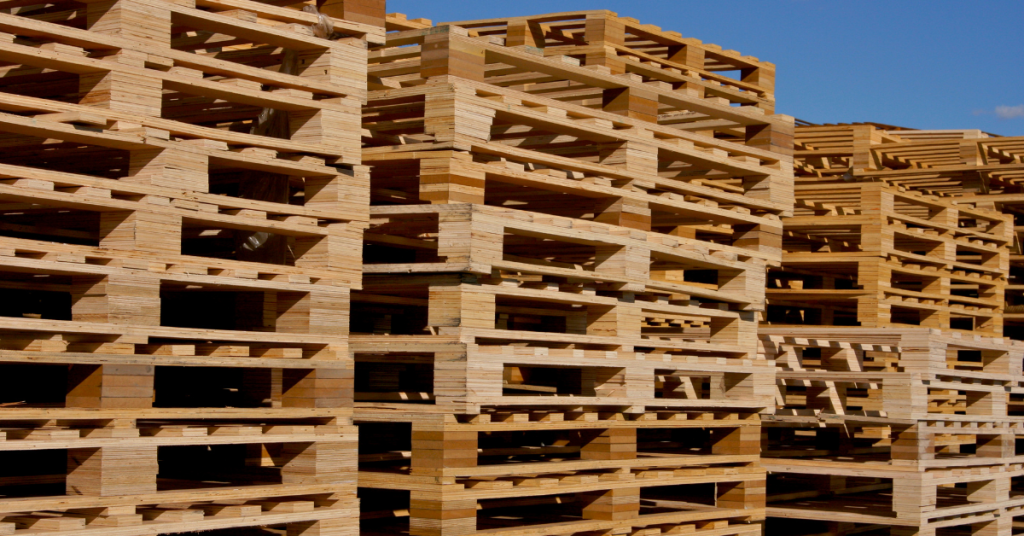
You might not think much about the wooden pallets you see everywhere, but have you ever considered the chemicals they could contain? Many pallets are treated with substances like methyl bromide and fungicides to ward off pests and mold. These chemicals can pose significant health risks, including respiratory problems and even increased cancer risks over time. So, how can you guarantee the pallets you’re using or coming into contact with are safe? There are specific markings and alternatives you can look for, but let’s explore those in detail. Key Takeaways – Wooden pallets can contain harmful chemicals like methyl bromide and formaldehyde. – ISPM 15 mark with ‘HT’ ensures pallets are heat-treated, avoiding chemical exposure. – Pallets treated with methyl bromide are labeled ‘MB’ and pose health risks. – Formaldehyde in wooden pallets is linked to increased cancer risk. – Chemically treated pallets can contaminate soil and groundwater upon disposal. Common Chemical Treatments When examining wooden pallets, you’ll often find they undergo common chemical treatments such as methyl bromide fumigation and heat treatment to prevent pest infestations and enhance durability. Methyl bromide fumigation involves exposing the wood to a highly toxic gas that effectively eliminates pests. This method is particularly valued for its ability to penetrate deeply into the wood, ensuring thorough pest control. However, it’s crucial to highlight that methyl bromide is a potent ozone-depleting substance, and many countries have restricted its use due to environmental concerns. Heat treatment, on the other hand, is a non-chemical method that involves heating the wood to a minimum core temperature of 56°C for at least 30 minutes. This process eradicates pests by disrupting their biological functions. Heat treatment is favored for its environmental benefits as it doesn’t introduce harmful chemicals into the pallet. In addition to these, some pallets might be treated with other chemicals like fungicides to prevent mold growth. Health Risks of Chemicals Exposure to harmful chemicals in wooden pallets poses significant health risks, ranging from respiratory issues to potential long-term effects such as neurological damage. When you come into contact with wooden pallets treated with chemicals like methyl bromide or formaldehyde, you’re at risk of inhaling toxic fumes. These substances can cause immediate reactions such as headaches, dizziness, and respiratory distress. Continuous exposure might exacerbate these symptoms, leading to chronic respiratory illnesses such as asthma or chronic bronchitis. Studies have demonstrated that prolonged exposure to formaldehyde, a common chemical in wooden pallets, can lead to an increased risk of developing certain cancers, particularly nasopharyngeal cancer. The International Agency for Research on Cancer (IARC) classifies formaldehyde as a Group 1 carcinogen, indicating there’s sufficient evidence of its carcinogenicity in humans. Furthermore, neurotoxicity is a potential long-term effect of some of these chemicals. Methyl bromide, for instance, has been associated with neurological symptoms such as cognitive impairment and motor dysfunction. The U.S. Environmental Protection Agency (EPA) has listed methyl bromide as a neurotoxicant, highlighting the risk it poses to human health. Taking these points into account, using untreated or certified chemical-free pallets is essential to minimize health risks. Environmental Impact The environmental impact of wooden pallets stems from their production, chemical treatments, and disposal processes, which collectively contribute to deforestation, pollution, and waste. When you consider the production phase, the primary concern is deforestation. Harvesting timber for pallets accelerates the depletion of forests, which are crucial for carbon sequestration and biodiversity. This process not only reduces forest cover but also disrupts ecosystems and contributes to climate change. Chemical treatments used to enhance pallet durability, such as methyl bromide fumigation or chemical preservatives, release harmful substances into the environment. Methyl bromide, for instance, is a potent ozone-depleting substance. When these chemicals leach into soil and water, they can harm plant and animal life and pose significant risks to human health. Disposal of wooden pallets further exacerbates environmental problems. Frequently, pallets are discarded in landfills, where they contribute to waste accumulation and methane emissions. Recycling rates are low, and many pallets aren’t reused or repurposed effectively. The decomposition process of chemically treated wood can release toxins, contaminating soil and groundwater. Identifying Safe Pallets To identify safe pallets, you must examine the pallet’s stamps and labels for compliance with international safety standards, such as the ISPM 15 mark, which indicates heat treatment rather than chemical fumigation. This mark guarantees the wood has been treated to eliminate pests without using harmful chemicals like methyl bromide. Look for an ‘HT’ stamp, signifying heat treatment, and avoid pallets marked with ‘MB,’ indicating methyl bromide fumigation. Additionally, check for other certifications like the EPAL (European Pallet Association) mark, which assures compliance with stringent manufacturing and safety standards. Pallets with these certifications are generally safer and less likely to contain toxic substances. Inspect the pallet for any signs of stains, odors, or spills, which can suggest previous exposure to chemicals. Avoid pallets that have been painted or treated with unknown substances, as these could contain hazardous materials. Alternatives to Wooden Pallets Considering the potential risks associated with wooden pallets, exploring alternative materials like plastic, metal, or composite pallets can offer safer and more durable options for various industries. Plastic pallets, for instance, present benefits such as resistance to moisture, insects, and chemicals. They’re versatile in temperature extremes and can be easily sanitized, making them ideal for food and pharmaceutical sectors. Additionally, plastic pallets often have a longer lifespan, reducing the need for frequent replacements. Metal pallets, typically made from steel or aluminum, provide superior strength and durability. They’re particularly advantageous in heavy-duty applications or environments requiring stringent hygiene standards, such as the automotive and electronics industries. Although they may come with a higher initial cost, their longevity and robustness can justify the investment over time. Composite pallets, made from a mix of recycled materials, offer a balance of strength, durability, and environmental benefits. They’re designed to withstand harsh conditions and heavy loads, making them suitable for various industrial uses. Moreover, composite materials can be engineered to meet specific regulatory standards, enhancing their appeal in specialized sectors. Frequently Asked
Discover Out How to Load a Pallet Without Hurting Your Back

When loading and unloading a pallet, you’ve got to prioritize your back’s safety by adopting proper lifting techniques. Bend at your knees, not your waist, and keep the load close to your body to minimize strain. Spread your feet shoulder-width apart for stability and engage your core. Equipment like pallet jacks can make a huge difference when handling heavy items. But, it’s not just about lifting; organizing the pallet correctly and warming up before starting are also key steps. So, what’s the best way to combine these practices seamlessly into your routine? Key Takeaways – Bend at your knees and keep your back straight while lifting. – Position your feet shoulder-width apart for better stability. – Keep the load close to your body to reduce strain. – Use equipment like pallet jacks or forklifts to handle heavy loads. – Avoid twisting your torso; turn your whole body instead. Proper Lifting Techniques To protect your back while lifting, always bend at your knees and not at your waist. This technique is important because it shifts the load to your stronger leg muscles rather than your vulnerable spine. Position your feet shoulder-width apart to provide a stable base. Keep the object close to your body, as holding it away increases strain on your back. Before lifting, make sure you’ve got a good grip. Engage your core muscles to support your spine. As you lift, use a smooth, controlled motion. Avoid any sudden jerks or twists. If you need to turn, pivot with your feet rather than twisting your torso. This minimizes the risk of injuring your back. Always assess the load before you lift. If it feels too heavy, don’t hesitate to ask for help. Overestimating your strength can lead to serious injuries. Hydrate regularly and take breaks to prevent muscle fatigue. Use of Equipment Utilizing the right equipment can greatly reduce the strain on your back when loading and unloading pallets. By employing tools designed to handle heavy loads, you minimize the risk of injury and increase efficiency. Here are several pieces of equipment you should consider: Pallet Jacks: These are ideal for moving pallets over short distances. They’re easy to maneuver and require minimal effort, greatly reducing physical strain. Forklifts: For heavier pallets or longer distances, forklifts are essential. They can lift and transport large loads, ensuring you don’t have to manually handle heavy items. Lift Tables: These adjustable platforms allow you to raise or lower a pallet to a comfortable working height, preventing the need for excessive bending or reaching. Each of these tools operates on principles of mechanical advantage, leveraging technology to reduce the physical burden on your body. Always make sure you’re trained in their proper use to maximize safety. Regular maintenance is also important to keep the equipment in top condition, preventing malfunctions that could lead to accidents. Safe Bending Practices Proper bending techniques are essential to prevent back injuries when loading and unloading pallets. To begin, always bend at your knees, not your waist. This action keeps your spine aligned and reduces the strain on your lower back. Position your feet shoulder-width apart to maintain balance and distribute weight evenly. When you need to pick up an item, squat down by bending your knees and hips. Keep your back straight and your head up. Grasp the object firmly and use the strength in your legs to lift, not your back. Avoid twisting your torso while lifting or carrying the load. Instead, pivot your feet to turn. Make sure to keep the load close to your body. Extending your arms increases the leverage on your spine, making the lift more strenuous. If the item is heavy or awkward, ask for help or use mechanical aids like a dolly or pallet jack. Remember to take breaks if you’re performing repetitive lifting tasks. Fatigue can compromise your form, increasing the risk of injury. Pallet Organization Organizing pallets efficiently not only maximizes storage space but also enhances safety and ease of access. When you arrange items on a pallet, it’s important to think about weight distribution, item stability, and accessibility to reduce the risk of injury. First, place the heaviest items at the bottom of the pallet. This provides a stable base and prevents the pallet from becoming top-heavy and tipping over. Second, make sure that the weight is evenly distributed. Uneven weight distribution can cause the pallet to become unbalanced, making it difficult and dangerous to move. Third, keep frequently accessed items at the top or front. This reduces the need for excessive bending or reaching, which can strain your back. Place heavy items on the bottom: Establish a strong, stable base. Distribute weight evenly: Prevent tipping and maintain balance. Keep frequently used items accessible: Minimize bending and reaching. Stretching and Warm-Up Prior to loading or unloading a pallet, it’s crucial to engage in a brief stretching and warm-up routine to prepare your muscles and reduce the risk of injury. Start with some dynamic stretches like arm circles and leg swings to get your blood flowing. These movements will help increase your joint range of motion and improve flexibility. Next, focus on your lower back and hamstrings. Perform gentle forward bends by reaching for your toes to stretch the lower back and back of your legs. Hold each stretch for about 15-20 seconds without bouncing. This will help in loosening tight muscles that are prone to strain during lifting. Incorporate torso rotations to prepare your core. Stand with your feet shoulder-width apart and rotate your torso side to side, keeping your hips steady. Do this for 30 seconds to activate your oblique muscles, which support your back during lifting. Frequently Asked Questions What Are the Common Injuries Associated With Improper Pallet Handling? Common injuries from improper pallet handling include lower back strain, herniated discs, and muscle tears. You should always use proper lifting techniques and mechanical aids to minimize these risks and promote workplace safety. How Can I Identify a Pallet That Is Safe to Lift? To
Why Are Recycled Pallets A Better Choice Than New Ones?
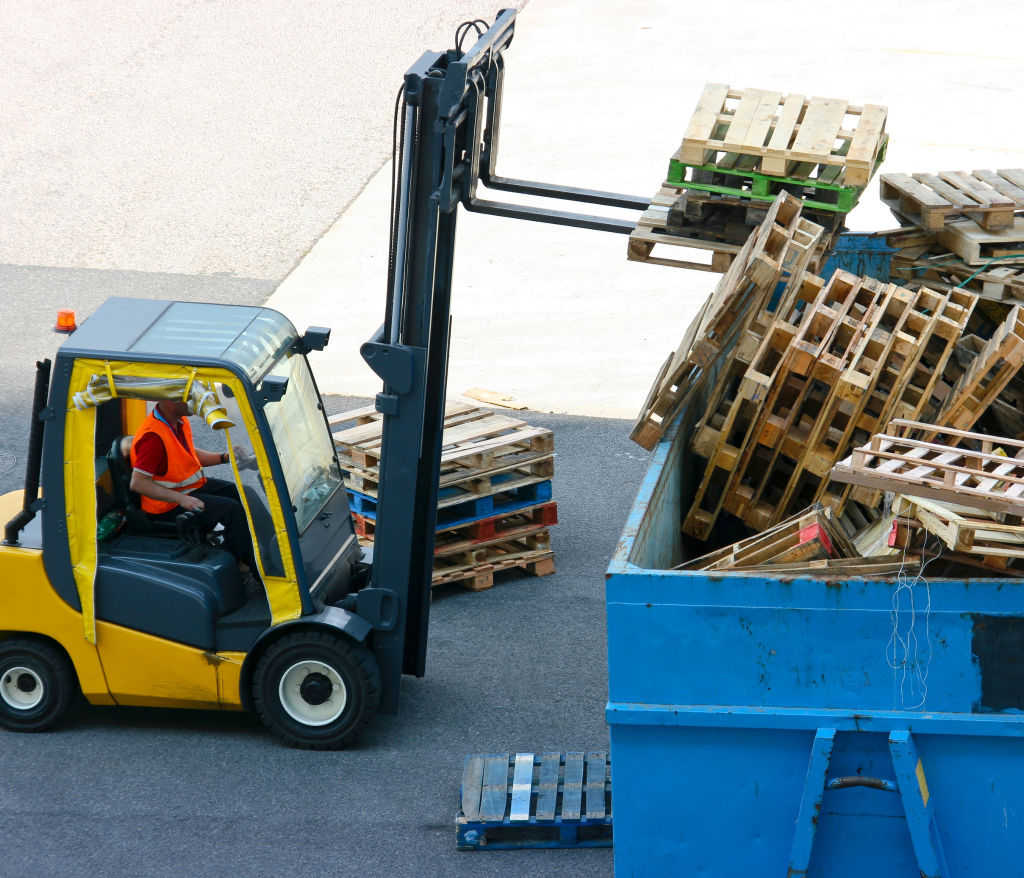
Have you ever considered the benefits of choosing recycled pallets over new ones? Not only can you save up to 40% in costs, but you’re also making an environmentally conscious decision that promotes sustainability. Recycled pallets can match the durability of new ones with proper care, lasting up to ten years. By opting for recycled options, you’re contributing to a circular economy and reducing waste. So, how exactly do these factors interplay to provide both economic and ecological advantages for your business? Key Takeaways -Cost Savings: Recycled pallets are up to 40% cheaper than new ones, providing immediate financial benefits. -Environmental Impact: They reduce carbon footprint and deforestation, supporting a circular economy. -Durability: Recycled pallets match or exceed new pallets in durability, lasting up to ten years. -Supply and Availability: Increasingly abundant with a reliable supply chain, ensuring timely deliveries. -Compliance: They meet rigorous standards and certifications, including ISPM-15, enhancing brand sustainability. Cost-Effectiveness Evaluating the cost-effectiveness of recycled pallets involves analyzing both immediate savings and long-term financial benefits for your business. First, consider upfront costs. Recycled pallets can be up to 40% cheaper than new ones, which means you’ll immediately reduce expenditure. This reduction in initial outlay allows you to allocate resources to other essential areas, driving overall business growth. Next, look at long-term financial benefits. Recycled pallets often have a comparable lifespan to new pallets when properly maintained. This durability translates into fewer replacements over time, leading to sustained cost savings. Additionally, they’re widely available and can be sourced quickly, reducing potential delays in logistics and minimizing downtime costs. Also, consider resale or recycling options for end-of-life pallets. Many companies buy back used pallets, providing an extra revenue stream or offsetting future pallet purchases. This circular economy approach not only enhances cost-effectiveness but also aligns with sustainable business practices, appealing to eco-conscious customers. Lastly, factor in reduced waste disposal costs. By choosing recycled pallets, you’re cutting down on waste management expenses, which can be substantial over time. Altogether, recycled pallets offer a strategic, cost-effective solution for your business needs. Environmental Benefits In addition to cost-effectiveness, choosing recycled pallets greatly reduces your carbon footprint and promotes sustainable business practices. By opting for recycled pallets, you help decrease the demand for new wood, which in turn reduces deforestation. According to the Environmental Protection Agency (EPA), reusing wooden pallets can save approximately 43 million trees annually in the United States alone. Moreover, recycled pallets contribute to waste reduction. Annually, about 258 million tons of municipal solid waste is generated in the U.S., and recycling pallets helps divert a substantial portion of this waste from landfills. By incorporating recycled pallets into your logistics, you’re actively participating in a circular economy, where materials are reused and recycled, minimizing environmental impact. Recycled pallets also require less energy to produce compared to new ones. The process of refurbishing and repairing old pallets uses considerably less energy than manufacturing new ones from raw materials. This reduction in energy consumption translates to lower greenhouse gas emissions, which is a critical factor in combating climate change. Durability and Quality When choosing recycled pallets, you’ll find that they often match or even exceed the durability and quality of new pallets, making them a reliable choice for your logistics needs. Data shows that recycled pallets undergo rigorous inspections and repairs, ensuring structural integrity. According to industry reports, recycled-pallets can have a lifespan of up to ten years, comparable to new ones. This longevity translates to fewer replacements and lower costs over time. Quality isn’t sacrificed either. Recycled-pallets are often built from high-quality hardwoods that have already proven their durability. These materials are less likely to warp or crack under pressure. Additionally, each recycled pallet is meticulously tested to meet standardized load capacities, ensuring that they can handle heavy shipments just as effectively as new pallets. Availability and Supply How readily available are recycled-pallets in today’s market, and can they meet the demands of your supply chain? The simple answer is yes. Recycled-pallets are increasingly abundant due to the robust circular economy initiatives. According to industry reports, the supply of recycled pallets has grown by 15% annually over the past five years. This growth is driven by both the rising environmental awareness and the cost-efficiency of reusing materials. From a strategic standpoint, integrating recycled pallets into your supply chain can greatly enhance your sustainability profile. Companies like yours can leverage this availability to not only reduce waste but also to cut costs. Recycled pallets often come at a 20-30% lower price point compared to new ones, making them a financially wise choice without compromising quality. Moreover, the supply chain for recycled pallets is well-established, ensuring reliable access and timely deliveries. This means you won’t have to worry about disruptions or shortages. Compliance and Standards Ensuring that recycled pallets comply with industry standards and regulations is essential for maintaining the integrity and efficiency of your supply chain. Recycled pallets must meet the same criteria as new ones, including ISPM-15 for international shipping and other relevant guidelines. By choosing compliant recycled pallets, you’re not just ticking a box; you’re safeguarding your products and avoiding potential fines or disruptions. Data shows that compliant pallets can reduce your carbon footprint by up to 40% compared to new pallets. They’re subjected to rigorous inspections and repairs, ensuring they meet the same functional and safety standards. You’re strategically leveraging resources that have already been produced, minimizing waste and contributing to a circular economy. Moreover, third-party certifications like those from the Forest Stewardship Council (FSC) can offer additional assurance of compliance and sustainability. These certifications can enhance your brand’s reputation for being eco-conscious and responsible. By opting for recycled-pallets that meet all necessary standards, you’re making a strategic, data-driven decision that supports both operational efficiency and environmental stewardship. In the long run, this choice can provide a competitive edge while aligning with broader corporate sustainability goals. Frequently Asked Questions How Does the Appearance of Recycled Pallets Compare to New Ones? These pallets may show more wear and tear
Using a Wooden Pallet? Discover the 5 Key Benefits
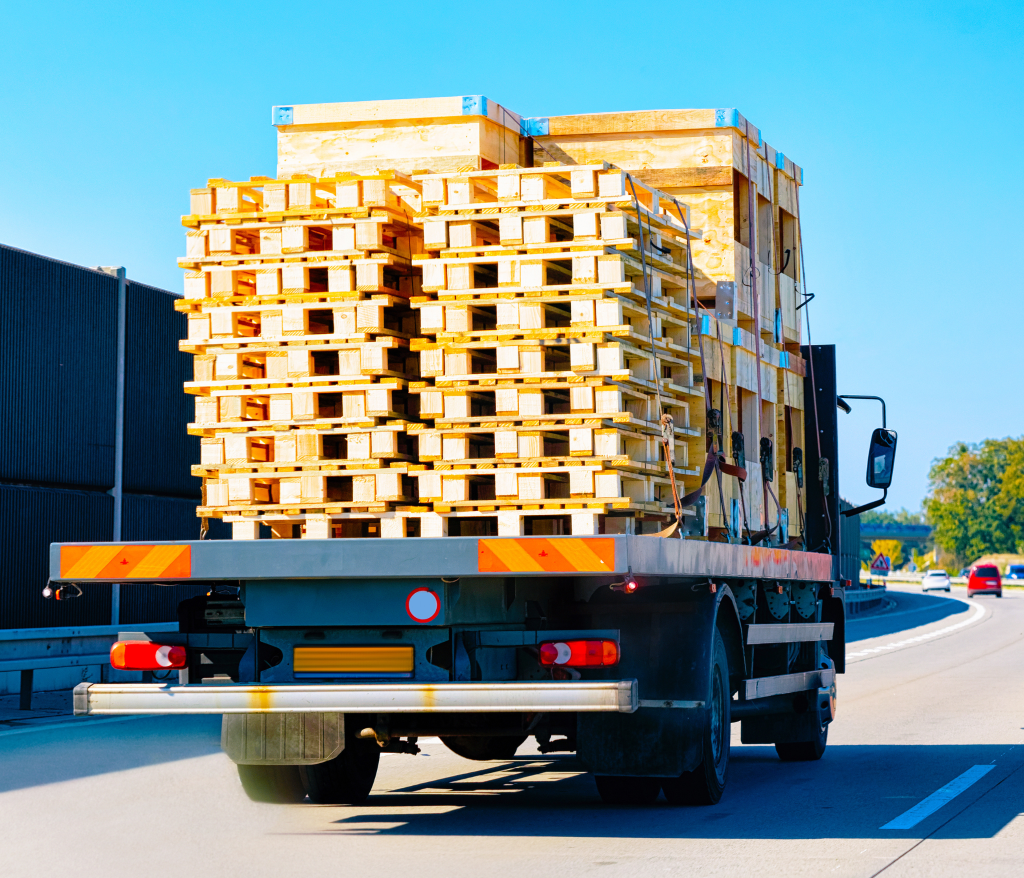
When you consider the benefits of using a wooden pallet, you’ll find they offer more than just a sturdy platform for goods. Their durability and strength make them ideal for heavy loads and rough handling. Cost-effectiveness is another key advantage, as wooden pallets are cheaper than their plastic or metal counterparts and can be easily repaired. Not to mention, they’re environmentally friendly, made from renewable resources and biodegradable. But there’s more to explore, especially when you see how they fit into various industries and their role in a circular economy. Key Takeaways – Wooden pallets offer robust durability and strength, ideal for heavy loads and rough handling. – They are cost-effective, cheaper to purchase and repair compared to plastic or metal alternatives. – Made from renewable resources, wooden pallets are biodegradable and environmentally friendly. – Repairs are easy and affordable, using basic tools and readily available materials. – Wooden pallets are versatile, suitable for logistics, retail, agriculture, and various DIY projects. Durability and Strength Wooden pallets offer impressive durability and strength, making them ideal for heavy loads and rough handling. When you’re moving large quantities of goods, you need a reliable solution that can withstand the rigors of transportation and storage. Wooden pallets excel in this area because they’re built from sturdy materials like oak and pine, which provide a robust framework capable of bearing substantial weight. You’ll find that the structural integrity of wooden pallets helps prevent damage to your products. The dense wood fibers create a resilient surface that resists splintering and cracking under pressure. This means fewer replacements and less downtime, ensuring your operations remain efficient. Additionally, wood pallets can handle a variety of environmental conditions. Whether you’re dealing with fluctuating temperatures, humidity, or exposure to the elements, these pallets maintain their strength and form. This versatility makes them suitable for both indoor and outdoor use, offering you flexibility in your logistics. Moreover, their repairability is a key advantage. If a wooden pallet gets damaged, you can often fix it with basic tools and materials. This not only extends their lifespan but also provides a cost-effective solution to maintaining your pallet inventory. Cost-Effectiveness Using wooden pallets can greatly reduce your operational costs due to their affordability and longevity. They offer a cost-effective solution for businesses looking to optimize logistics and storage without sacrificing quality. Here are four key reasons why wood pallets are financially advantageous: Lower Initial Investment: Wooden pallets are generally cheaper to purchase compared to plastic or metal alternatives. This lower upfront cost allows you to allocate funds to other critical areas of your business. Reusability: Their durable nature means wood pallets can be reused multiple times with minimal maintenance. This reusability reduces the need for frequent replacements, thereby lowering long-term expenses. Repairability: Unlike plastic or metal pallets, wooden pallets can be easily repaired if damaged. Simple tools and a few new boards can extend the life of a pallet, saving you the cost of buying new ones. Widespread Availability: Wooden pallets are readily available from numerous suppliers, which fosters a competitive market. This abundance ensures you can always find high-quality pallets at reasonable prices. Environmental Benefits In addition to being cost-effective, opting for wood pallets greatly reduces your environmental footprint. Made from renewable resources, wooden pallets offer a sustainable alternative to plastic and metal options. Trees used for pallets often come from managed forests, ensuring that deforestation is minimized. Also, wood is biodegradable, so when a wooden pallet reaches the end of its life cycle, it decomposes naturally, reducing landfill waste. By choosing wood pallets, you’re also supporting a lower carbon footprint. Wood acts as a carbon sink, absorbing carbon dioxide during its growth. Even when converted into pallets, the wood retains this carbon, effectively reducing greenhouse gas emissions. Additionally, the energy required to produce wooden pallets is much less than that needed for plastic or metal ones, further conserving natural resources and reducing emissions. Wood pallets are easily recyclable. They can be repurposed into mulch, animal bedding, or even new pallets. This recycling capability not only extends the material’s life but also minimizes waste. When you choose wooden pallets, you actively contribute to a circular economy, emphasizing reuse and resource efficiency. Therefore, wooden pallets are an environmentally responsible choice, aligning with sustainable practices and goals. Ease of Repair Repairing wooden pallets is advantageous for businesses due to several reasons: Affordability: Wood pallets need inexpensive materials like nails, hammers, and replacement boards, keeping repair costs low compared to plastic or metal pallets. Availability: Replacement parts for wood pallets are easily found, preventing delays in repairs due to supply issues and ensuring quick restoration of pallet functionality. Simplicity: Repairing wood pallets doesn’t demand specialized skills, making it accessible for existing staff with basic carpentry knowledge and eliminating the need for external contractors. Reusability: Damaged wood pallets can often be repurposed or recycled, prolonging their lifespan by using parts in good condition for fixing other pallets and maximizing resource efficiency. Versatility in Use Beyond their ease of repair, wood pallets offer remarkable versatility, making them suitable for a wide range of applications. In logistics and warehousing, you can use them for stacking, storing, and transporting goods efficiently. Their standard sizes make them compatible with forklifts and pallet jacks, simplifying material handling. In retail, wooden pallets can be repurposed as display units or shelving. Their rustic charm adds aesthetic value while maintaining functionality. If you’re in manufacturing, wooden pallets can serve as cost-effective platforms for assembly lines, enhancing workflow and organization. For those in agriculture, these pallets are invaluable. Use them to transport produce, store feed, or even construct compost bins. Their durability ensures they stand up well to outdoor conditions. Wooden pallets also find a place in DIY projects. Convert them into furniture, garden planters, or storage solutions. Their adaptability means you can customize them to fit your needs, whether it’s a coffee table or a vertical garden. Frequently Asked Questions Are Wooden Pallets Safe for Food Transportation? Yes, wood pallets can be safe for
Heat-Treated Wooden Pallets: Learn More About The Benefits

When considering logistical solutions, you might wonder why heat-treated wooden pallets stand out. They offer enhanced durability, making them more resistant to environmental stressors and wear. This treatment also guarantees pest resistance, eliminating the risk of infestations that could compromise your shipments. Regulatory compliance is another critical benefit, as heat-treated pallets meet international standards like ISPM 15, simplifying global trade. Environmentally, they reduce the need for chemicals and lower emissions. Plus, their increased longevity and reliability translate to cost efficiency. Curious about how these factors can impact your operations? There’s much more to discover. Key Takeaways – Enhanced durability due to reduced moisture levels and stronger wood fibers. – Superior pest resistance by eradicating insects, larvae, and eggs without residual toxins. – Compliance with international shipping standards like ISPM 15, expediting customs clearance. – Environmentally sustainable by eliminating chemical treatments and supporting forest conservation. – Cost efficiency through reduced replacement costs, fewer delays, and lower insurance premiums. Enhanced Durability of Heat-treated Wooden Pallets By subjecting wooden pallets to heat treatment, you greatly enhance their resistance to environmental stressors and physical wear, ensuring they last much longer than untreated alternatives. This process involves heating the wood to a core temperature of at least 56°C (132.8°F) for a minimum of 30 minutes. This precise thermal exposure alters the wood’s internal structure, making it more robust against changes in humidity and temperature. Heat treatment reduces the wood’s moisture content, which is critical for maintaining its structural integrity. Lower moisture levels diminish the risk of warping, splitting, and cracking, common issues that compromise the durability of untreated wood. Additionally, the thermal process strengthens the wood fibers, enhancing the pallet’s load-bearing capacity. This means your heat-treated pallets can withstand heavy loads and rough handling much better than their untreated counterparts. Furthermore, heat treatment reduces the likelihood of fungal growth and decay, as the high temperatures effectively kill off any spores present in the wood. This is particularly beneficial if you’re storing or transporting goods in damp or humid conditions. Therefore, heat-treated wooden pallets offer a long-lasting, reliable solution for your logistics needs. Pest Resistance Heat-treated wooden pallets offer superior pest resistance, as the high temperatures eradicate insects, larvae, and eggs that might otherwise infest the wood. When you subject wooden pallets to heat treatment, you’re basically sterilizing them. This process involves raising the core temperature of the wood to at least 56°C (132.8°F) for a minimum of 30 minutes. This ensures that any potential pests are completely eliminated, reducing the risk of infestations that could compromise your goods or spread to other materials. The effectiveness of heat treatment lies in its ability to penetrate the wood deeply, reaching all hidden crevices where pests might reside. Unlike chemical treatments, heat treatment leaves no residual toxins, making it a safer and more environmentally friendly option. You’ll also find that heat-treated pallets are less likely to develop mold or fungi, further protecting your products. Opting for heat-treated wooden pallets means you’re investing in a solution that minimizes the risk of pest-related damages. This is particularly important for industries that deal with food, pharmaceuticals, and other sensitive goods. By choosing heat-treated wooden pallets, you secure a cleaner, more reliable transport and storage medium for your business. Regulatory Compliance Ensuring regulatory compliance, especially with international shipping standards like ISPM 15, is an essential advantage of using heat-treated wooden pallets. By choosing these pallets, you’re ensuring that your shipments meet global phytosanitary requirements, which are critical for preventing the spread of pests and diseases across borders. ISPM 15 mandates that wood packaging materials be treated to eliminate invasive species, and heat treatment is one of the approved methods. When you use heat-treated wooden pallets, you’re not just ticking a regulatory checkbox; you’re streamlining your logistics. These pallets are marked with an official stamp, indicating they’ve met the required standards, which can expedite customs clearance. This means fewer delays, reduced risk of shipment rejections, and lower chances of incurring fines or penalties. Additionally, heat-treated wooden pallets offer uniformity and reliability. Because they adhere to strict guidelines, you can trust that each pallet will consistently meet the same high standards. This consistency is crucial for maintaining the integrity of your supply chain. Environmental Benefits of Heat-Treated Wooden Pallets In addition to regulatory compliance, choosing heat-treated wooden pallets greatly contributes to environmental sustainability by reducing the need for chemical treatments and lowering the carbon footprint associated with logistics operations. By opting for heat-treated wooden pallets, you’re making a significant impact on preserving our planet. Here’s how: Guaranteed Chemical Usage: Heat treatment eliminates pests and pathogens without the need for harmful chemicals like methyl bromide, which can deplete the ozone layer and contaminate soil and water. Lower Carbon Emissions: The heat treatment process itself is energy-efficient and produces fewer carbon emissions compared to chemical fumigation. This helps in reducing your overall carbon footprint in logistics and warehousing. Recyclability: Heat-treated wooden pallets are easier to recycle. They can be repurposed into mulch, animal bedding, or even new pallets, minimizing waste and promoting a circular economy. Sustainably Sourced: Many heat-treated wooden pallets are sourced from sustainably managed forests. This guarantees that the wood used comes from renewable sources, aiding in the conservation of forests and biodiversity. Cost Efficiency Wondering how choosing heat-treated wooden pallets can improve your bottom line? Let’s explore the cost efficiency these pallets offer. First, heat-treated wooden pallets are more durable and resistant to pests and fungi. This increases their lifespan, reducing replacement frequency and associated costs. By opting for heat-treated pallets, you’re investing in a more resilient asset, minimizing long-term expenditure. Additionally, the heat treatment process complies with ISPM-15 regulations, which means you won’t face extra costs related to fines or shipment delays due to non-compliance. These rules are especially vital for international shipping, ensuring your goods move smoothly across borders without costly interruptions. Heat-treated pallets also boast improved load-bearing capacity. You can optimize your logistics by safely stacking heavier loads, reducing the number of trips required for transportation. Fewer trips translate
Discover How Pallet Wrap Machines Are Used to Keep Pallets Intact

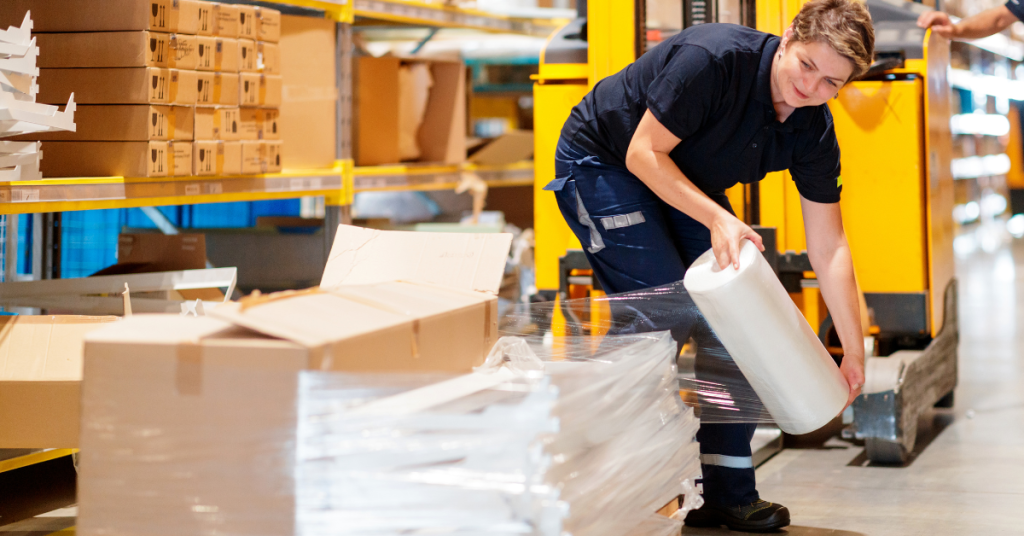
When you’re looking to keep pallets intact during transportation, one vital piece of equipment stands out: the pallet wrap machine. This machine secures your pallet loads by wrapping them with stretch film, enhancing stability and protecting goods from damage, dust, and moisture. But how exactly does a pallet wrap machine operate, and what are the key benefits of using one? If you’re interested in streamlining your packaging process while ensuring the safety of your goods, understanding more about this equipment could be a game-changer. Key Takeaways – Pallet wrap machines secure and stabilize pallet loads using stretch film. – They ensure items remain intact and prevent shifting during transportation. – The turntable rotates the pallet for even wrap coverage. – Film carriage distributes film evenly across the pallet’s height. – Control panel sets parameters like wrap tension, speed, and number of wraps. Understanding Pallet Wrap Machines Pallet wrap machines are essential tools designed to secure and stabilize pallet loads by wrapping them tightly with stretch film. You might wonder why these machines are so important. The answer lies in their ability to enhance load stability, protect goods from dust and moisture, and reduce the risk of damage during transportation. By tightly wrapping the pallets, they guarantee that items remain intact and prevent shifting, which can lead to costly damages. When you use a pallet wrap machine, you’re investing in efficiency and consistency. Hand-wrapping pallets can be time-consuming and inconsistent, leading to uneven tension and potential load instability. These machines, however, provide uniform application of stretch film, ensuring each pallet is wrapped with the same tightness and coverage. This consistency is crucial in maintaining the integrity of the load throughout its journey. Another significant benefit is the reduction in material waste. Pallet wrap machines optimize the amount of stretch film used, minimizing excess and cutting down on costs. With precise control over the wrapping process, you’ll achieve not only better load security but also a more cost-effective operation, making these machines indispensable in any logistics setup. How Pallet Wrap Machines Operate To understand how these machines operate, you’ll need to explore their key components and the sequential steps they follow. First, familiarize yourself with the turntable, film carriage, and control panel. The turntable rotates the pallet, guaranteeing even wrap coverage. The film carriage holds the stretch film and moves vertically to distribute the film evenly across the pallet’s height. The control panel lets you set parameters like wrap tension, speed, and number of wraps. Begin by placing your pallet on the turntable. Secure the film to the pallet’s base, usually by tying or tucking it. Activate the machine using the control panel, which starts the turntable’s rotation. As the turntable spins, the film carriage ascends, dispensing film while maintaining consistent tension. You can customize the wrapping pattern by adjusting settings on the control panel. For instance, you might choose a higher tension for heavier loads or multiple layers for added stability. Once the film carriage completes its upward and downward passes, the machine cuts the film automatically, or you may need to do this manually, depending on your model. This sequence guarantees your pallet is securely wrapped and ready for transport. Key Benefits of Using Pallet Wrap Machines Understanding how these machines operate underscores the key benefits they offer, such as enhanced load stability, reduced material waste, and increased efficiency in your packaging process. First, by tightly securing your pallets, these machines guarantee that goods remain stable during transit, reducing the risk of damage. This improved load stability is essential for maintaining the quality and safety of your products. Next, using a pallet wrap machine can greatly reduce material waste. These machines are designed to apply the best amount of stretch film, minimizing excess usage. This not only helps in cutting costs but also aligns with sustainable practices by reducing plastic waste. Moreover, pallet wrap machines streamline your packaging process. They can wrap pallets much faster and more consistently than manual methods, leading to increased throughput. This efficiency translates to lower labor costs and faster turnaround times, allowing you to meet high demand without compromising on quality. Types of Pallet Wrap Machines When exploring the different types of pallet wrap machines, you’ll find a range of options designed to suit various packaging needs and operational scales. The most common types include manual, semi-automatic, and fully automatic machines. Each type has distinct features and advantages, tailored to different levels of production efficiency and budget constraints. Manual pallet wrap machines are cost-effective and ideal for smaller operations. They require more labor, as you’ll need to handle the wrapping process manually, but they offer flexibility and control. Semi-automatic machines offer a balance between cost and efficiency. These machines typically require an operator to place the pallet and start the machine, but they handle the wrapping process automatically. Semi-automatic machines are suitable for medium-sized operations seeking to improve throughput without a significant investment. Fully automatic pallet wrap machines are designed for high-volume operations. These machines integrate seamlessly into existing production lines and perform the entire wrapping process without human intervention. They’re the most expensive but provide unparalleled efficiency and consistency. Each type of machine has its own set of features, making it essential to understand your specific needs and operational scale when considering which type to use. Choosing the Right Pallet Wrap Machine Selecting the right pallet wrap machine hinges on evaluating your specific operational demands, budget constraints, and desired efficiency levels. Begin by analyzing the volume of pallets you need to wrap daily. High-volume operations might require an automatic machine, while low-volume tasks could be handled by a semi-automatic model. Next, consider your budget. Investing in a high-end machine might save costs in the long run due to increased efficiency and reduced film waste. Finally, examine the machine’s efficiency. Look for features like pre-stretch capabilities and adjustable settings to accommodate various load sizes and shapes. Here are three key factors to focus on: Capacity and Throughput: Make sure the machine can handle your
Pallets Vs. Skids – Discover The Differences

Have you ever wondered if there’s a real difference between a pallet and a skid? While both serve important roles in logistics and transportation, their designs and uses set them apart in fascinating ways. Pallets, with their dual-deck structure, offer stability and protection for heavy loads, making them indispensable in warehouses. Skids, on the other hand, feature a simpler design with runners, providing easy mobility in construction and factory settings. Understanding these distinctions can greatly impact your decision-making process in various industries. But what exactly makes each one uniquely suited to its role? Key Takeaways – Pallets have both a top and bottom deck, while skids only have a top deck with runners. – Pallets are primarily used for stacking and transportation due to their stability. – Skids are easier to drag or slide and are often used in construction and factories. – Pallets are more commonly used in retail and warehousing for heavy loads. – Skids offer more mobility and flexibility compared to the more stable pallets. Definition of a Pallet What exactly is a pallet? When you think of a pallet, picture a flat, stable platform used to support goods during transportation and storage. Pallets are typically made from wood, plastic, or metal. They’ve a top and bottom deck with a space in between, allowing for forklift access from all four sides. This design provides stability and makes handling and moving heavy loads efficient. You’ll find pallets in various sizes, but the most common dimension is 48 inches by 40 inches. They’re widely used in warehouses, factories, and shipping industries. Pallets come in two main types: stringer pallets and block pallets. Stringer pallets use two-way or partial four-way entry, with stringers running along the length of the pallet. Block pallets, on the other hand, allow for true four-way entry, thanks to their nine blocks of solid wood or other material. The pallet is essential in modern logistics because they streamline the loading and unloading process, reduce handling time, and minimize product damage. Whether you’re shipping groceries, electronics, or machinery, pallets make sure your items remain secure and easy to transport. Definition of Skids While pallets are a staple in modern logistics, skids serve as their simpler, more basic counterparts. When you think of a skid, picture a single deck of wooden slats or metal, lacking the bottom deck boards that give pallets their structural integrity. Skids are basically a platform with runners, usually two or three, that help elevate the load off the ground. These runners, or stringers, run parallel along the length of the skid, providing stability and facilitating movement. Skids are highly versatile and can be used in various applications, from manufacturing to warehousing. They’re especially useful for storing heavy machinery or equipment that doesn’t require frequent movement. Because they don’t have a bottom deck, they’re easier to drag or slide across surfaces, making them a practical choice for semi-permanent storage solutions. You’ll often see skids in environments where items need to be easily accessible but not necessarily transported frequently. Their construction is straightforward, often resulting in lower production costs compared to pallets. Skids have been around for a long time, serving as the go-to option before pallets became more prevalent in logistics and material handling. Key Differences When comparing pallets and skids, the most noticeable difference lies in their structural design. Pallets have both a top and bottom deck, creating a stable and balanced platform for storing and transporting goods. This dual-deck construction allows forklifts to pick up pallets from any side, providing greater flexibility in handling and storage. In contrast, skids feature only a single deck. They rest on a set of runners or stringers, which are the horizontal supports underneath the deck. This design makes skids lighter and easier to drag or slide across surfaces, but they lack the same stability as pallets. Skids are typically used for temporary storage or moving heavy machinery where lifting isn’t required. Another key difference is in their usage. Pallets are more commonly used in industries that require efficient stacking and transportation, such as retail and warehousing. Their ability to be stacked and easily moved by forklifts makes them highly versatile. Skids, however, are often found in construction sites or factories where mobility and flexibility are prioritized over stacking efficiency. Historical Background Understanding the historical background of pallets and skids provides insight into how their designs and uses evolved to meet the demands of various industries. Skids, the older of the two, date back to ancient times. They were basically platforms used to move heavy items in warehouses and shipyards. You can trace their origins to early civilizations where logs were used to roll massive stones for construction projects. The pallet, on the other hand, emerged in the early 20th century during World War II. The increased need for efficient material handling and storage solutions in military logistics spurred their development. You’ll find that the pallet’s design, with both a top and bottom deck, was a significant innovation. It allowed forklifts to lift and move goods more efficiently than skids, which lack a bottom deck. The shift from the skid to the pallet marked a substantial improvement in the logistics and warehousing industries. As you explore further into their history, you’ll see that the pallet quickly became standardized, revolutionizing global trade and supply chains. This evolution highlights how advancements in material handling equipment can drive efficiency and adaptability in various sectors. Common Uses Pallets and skids serve distinct roles in various industries, primarily focusing on the efficient handling, storage, and transportation of goods. You’ll find the pallet commonly used in warehouses, manufacturing plants, and retail environments. Its sturdy design, usually featuring a top and bottom deck, allows it to stack securely and be easily lifted by forklifts or pallet jacks. This makes the pallet ideal for storing heavy loads and organizing large quantities of products. On the other hand, skids, which lack the bottom deck boards, are often used in situations where mobility is key. You
Lightweight Euro Pallets: What Are the Environmental Benefits?

Let’s gently tread on the topic of lightweight Euro pallets, shall we? You’re likely aware of their function in the logistics and supply chain sector, but have you considered their environmental impact? These nifty platforms, constructed from durable materials, offer a surprising array of environmental benefits. They’re designed to minimise waste, lower carbon emissions, and even reduce deforestation. Intriguing, isn’t it? There’s certainly more to the story, but we’ll get to that later. For now, let’s leave it at this – switching to lightweight Euro pallets could be a formidable step towards a more sustainable future. Key Takeaways – Lightweight Euro Pallets reduce carbon emissions and fuel consumption during transportation. – They contribute to waste minimization and promote recycling, reducing environmental impact. – The pallets decrease deforestation by reducing demand for logging. – They are made from sustainable and recyclable materials, promoting eco-friendly operations. – Their extended lifespan and durability lead to less waste and burden on landfills. Understanding Lightweight Euro Pallets To truly appreciate the environmental benefits of lightweight Euro pallets, you need to understand what they’re and how they’re constructed. Developed in Europe, these pallets are made from high-density polyethylene (HDPE) or polypropylene (PP), both of which offer remarkable durability. They’re designed to be sturdy, yet light, reducing freight costs and offering a superior weight-to-load capacity ratio. Let’s explore pallet durability. Compared to traditional wood pallets, lightweight Euro pallets are less susceptible to damage. They don’t splinter, rot or absorb moisture, and they’re resistant to insects and bacteria. This longevity cuts down on replacement costs and waste, making them a cost-effective, environmentally friendly choice. Speaking of cost comparisons, you’ll find lightweight Euro pallets make financial sense. While the initial purchase price may be higher than wood pallets, their durability and lifespan mean lower total costs over time. Plus, their light weight reduces transportation costs, both financially and environmentally. Carbon Emissions Reduction In reducing your company’s carbon footprint, lightweight Euro pallets play a significant role due to their lower transportation emissions. This green technology considerably lessens the amount of fuel needed during transportation, resulting in lower carbon emissions. In comparison to heavier traditional pallets, the use of lightweight Euro pallets can reduce fuel consumption by up to 25%. This is because less energy is required to transport a lighter load. This reduction in fuel consumption directly correlates to a decrease in carbon emissions, making lightweight Euro pallets a more environmentally friendly choice. Moreover, the adoption of lightweight Euro pallets aligns your company’s operations with growing global emission regulations. Many countries are implementing strict policies to reduce carbon emissions, and using these pallets can help you meet these regulatory standards. By making this simple switch, you’re not only reducing your environmental impact but also ensuring regulatory compliance. Efficient Use of Materials Beyond the reduction of carbon emissions, lightweight Euro pallets also offer a benefit regarding material efficiency. This facet is rooted in the concepts of material longevity and sustainable sourcing. You see, these pallets are made from recycled plastics, which not only reduce the need for virgin materials but also have higher durability than traditional wood pallets. This translates into a longer lifespan, which means fewer replacements and less waste over time. Furthermore, the process of creating these pallets is designed with sustainability in mind. The plastics used are sourced in a way that minimises environmental impact. This sustainable sourcing is part of a broader commitment to environmental responsibility, one that extends beyond just the production process itself. In essence, when you choose lightweight Euro pallets, you’re not just opting for a product that’s lighter and easier to handle. You’re also making a choice that’s good for the planet. These pallets make better use of materials, last longer, and are produced in a way that’s mindful of our planet’s resources. In short, they’re a smart choice for any business conscious of its environmental footprint. Lower Transportation Impact While you’re reducing waste and using resources more efficiently with lightweight Euro pallets, you’re also lessening the transportation impact. These pallets weigh considerably less than traditional wooden ones, which translates into lower shipping costs. Because of their lighter weight, you’re able to load more product per shipment, maximising the space in your transport vehicles. This means fewer trips, which reduces your overall carbon footprint. It’s a simple concept: less weight equals less energy required for movement, thereby increasing fuel efficiency. In addition, lightweight Euro pallets contribute to a decrease in greenhouse gas emissions. The weight reduction in your loads lessens the amount of fuel consumed during transport. This fuel efficiency results in fewer CO2 emissions being released into the atmosphere, thereby minimising the environmental impact. Furthermore, considering the escalating fuel prices and the ever-increasing global shipping demand, the benefits of lightweight pallets extend beyond the environmental aspect. You’ll find a significant reduction in your shipping costs, making your business operation more cost-effective and sustainable. Essentially, using lightweight Euro pallets not only contributes to your company’s sustainability goals but also improves your bottom line. It’s a win-win in terms of both environmental responsibility and economic efficiency. Lifecycle of Lightweight Pallets Understanding the lifecycle of lightweight Euro pallets also highlights their environmental and economic advantages. These pallets are designed for durability and longevity, providing remarkable endurance compared to traditional wooden pallets. Pellet durability is a critical factor in the life cycle assessment. You’ll find that lightweight Euro pallets are resistant to damage, reducing the need for frequent replacements. This durability results in fewer raw materials consumed over time, contributing to their environmental benefits. Maintenance practices also play a significant role in extending the life cycle of these pallets. Lightweight Euro pallets don’t require the same level of upkeep as their heavier counterparts. They’re easier to clean and sanitise, reducing the need for harsh cleaning chemicals. Additionally, they’re resistant to pests and rot, eliminating the need for harmful pesticide treatments.
What Makes Heavyweight Euro Pallets Ideal for Heavy-Duty Applications?

You’ve probably used heavyweight Euro pallets in your operations, but have you ever wondered what makes them so ideal for heavy-duty applications? With their robust design and exceptional durability, these pallets have transformed the way we handle heavy goods. Their resistance to moisture, heat, and impact, coupled with an easy manoeuvrability system, allows them to thrive in challenging industrial environments. But, is it just about their physical attributes? There’s more to it. Let’s dive deeper and find out why these pallets are trusted for their reliability and performance. Key Takeaways – Euro Pallets are designed with high-quality materials like spruce or pine, ensuring rigidity and durability for heavy-duty tasks. – Their precise assembly and robust construction enable them to resist wear and tear in tough industrial environments. – Euro Pallets can bear heavy loads due to material choices and design features like reinforced corners and supports. – They offer versatility in various industries, facilitating easy storage, stacking, and transportation of heavy goods. – Compliance with international standards ensures their global acceptance and reliability in heavy-duty applications. Understanding Heavyweight Euro Pallets To fully grasp the utility of heavyweight Euro pallets, it’s crucial to first understand their unique design and structure, which are optimised for heavy-duty applications. Pallet construction plays a key role in determining their strength and resilience. A standard Euro pallet, also known as an EPAL pallet, is built using 78 nails, 11 boards, and 9 blocks, meticulously arranged to guarantee maximum stability and durability. Material selection is another critical aspect to take into account. Euro pallets are primarily crafted from high-quality wood, often spruce or pine, chosen for their robust properties. These woods offer excellent rigidity and can handle large loads without buckling or breaking. The design of Euro pallets also incorporates a four-way entry system, allowing forklifts and pallet jacks to easily manoeuvre them from any side. This feature enhances the practicality of these pallets in busy industrial settings. But it’s not just about the physical properties. Euro pallets also comply with strict European standards, ensuring they’re safe for use in various industries. The combination of thoughtfully chosen materials, precise construction, and stringent standards makes heavyweight Euro pallets a preferred choice for heavy-duty applications. Durability of Euro Pallets Building on the robust construction of Euro pallets, their durability becomes apparent when considering their performance in rigorous industrial environments. You’ll find that the material resistance of these pallets is extraordinary, making them resilient against common industrial challenges such as moisture, heat, and heavy impact. Their manufacturing process plays a significant role in this. Euro pallets are commonly made from high-quality timber, often spruce or pine, which is known for its strength and durability. The wood undergoes a specific heat treatment process that further enhances its resistance to decay, pests, and fungal growth. Additionally, the assembly of these pallets involves precise engineering techniques, ensuring each component is securely fastened and can withstand prolonged heavy-duty use. In addition, the selection of materials and manufacturing process contribute to the pallet’s capacity to resist wear and tear. This means that even under tough conditions, they won’t easily dent, crack, or split. Load-Bearing Capacity Explained Understanding the load-bearing capacity of Euro pallets is essential as it directly influences their suitability for heavy-duty applications. The load-bearing capacity, simply put, is the maximum weight a pallet can handle without compromising its structural integrity. It’s determined by two key factors: Pallet Material Choices and Pallet Design Innovation. Pallet Material Choices play a significant role in determining the load-bearing capacity. The materials used in manufacturing Euro pallets, such as hardwood and high-quality plastics, are chosen for their inherent strength and durability. Hardwood, for example, is known for its exceptional load-bearing qualities. Similarly, certain types of plastics are resilient and can withstand heavy loads without buckling or cracking. Pallet Design Innovation also impacts the load-bearing capacity. Innovative design features, such as reinforced corners and strategically placed supports, maximise the load that a pallet can handle. The interlocking design of Euro pallets, for instance, distributes the weight evenly, enhancing the overall load-bearing capacity. Versatility in Various Industries Across a broad spectrum of industries, you’ll find Euro pallets playing an essential role due to their high load-bearing capacity and durable construction. This versatility stems from their industry adaptability and pallet flexibility, making them indispensable in sectors where heavy-duty applications are the order of the day. Euro pallets aren’t restricted to one particular industry. Thanks to their robust design, they’re capable of serving multiple sectors simultaneously. The key to their vast usage lies in their: – Exceptional load-bearing strength, making them ideal for industries dealing with heavy goods – Durable construction, ensuring a long lifespan even under harsh conditions – Industry adaptability, allowing them to fit seamlessly into a range of operational environments – Pallet flexibility, which facilitates easy storage, stacking, and transportation – High resistance to wear and tear, further enhancing their value in heavy-duty applications Whether it’s the manufacturing sector, construction industry, or supply chain operations, you’ll find Euro pallets being utilised extensively. Their adaptability across various industries is a confirmation of their design and capability. No matter the task, you can depend on Euro pallets to handle the load efficiently and reliably. Compliance With International Standards Did you know that Euro pallets’ global acceptance is in part due to their strict adherence to international standards? This adherence is crucial to their widespread use in heavy-duty applications. The standard regulations in place dictate the specific requirements for a pallet to qualify as a Euro pallet. These regulations cover aspects such as the type of wood used, the treatment of the wood, the size and weight of the pallet, and the marking of the pallet. To guarantee the highest quality, these pallets are subject to regular inspections. This rigorous compliance with standard regulations guarantees their durability, reliability, and suitability for carrying heavy loads. The global acceptance
Why Should You Choose Mediumweight Euro Pallets for Your Logistics Needs?

Consider the multinational corporation, IKEA, which uses over half a million Euro pallets every day. Now, imagine you’re in their shoes – managing an extensive supply chain, needing to optimise costs, and aiming for environmental sustainability. Wouldn’t you want a logistics solution that can handle all these demands? This is where mediumweight Euro pallets come into play. But what makes these pallets such a wise choice for your logistics needs? Let’s explore this further. Key Takeaways – Mediumweight Euro Pallets adhere to uniform standards, ensuring compatibility with global supply chains. – They are made from durable, high-quality materials, reducing replacement costs and product damage risk. – These pallets exhibit versatility in handling diverse weights and are compatible with most handling equipment. – Euro Pallets are cost-effective due to their long lifespan and the efficient manufacturing process. – They have a low environmental impact, being made from renewable resources and fully recyclable at the end of their life cycle. Understanding Mediumweight Euro Pallets To truly harness the strategic advantages of mediumweight Euro Pallets in your logistics operations, it’s vital to initially grasp what these pallets are and how their unique features can enhance your supply chain efficiency. These pallets, typically constructed using high-quality timber or plastic, are designed in compliance with Euro Pallet standards, guaranteeing uniformity in size and handling features across Europe. The choice of pallet materials plays a significant role in their weight and handling characteristics. Timber pallets, while robust and inexpensive, can be heavier than their plastic counterparts. On the other hand, plastic pallets, although lightweight and resistant to moisture, can be pricier. Therefore, understanding your logistical requirements can help you determine the best material for your needs. Euro Pallet standards, established by the European Pallet Association, dictate stringent criteria for dimensions, weight capacity, and design. These standards ensure that all mediumweight Euro Pallets share common specifications, promoting compatibility and interoperability across different supply chains and logistics operations. Adherence to these standards is hence non-negotiable, as it helps maintain uniformity, reduces equipment compatibility issues, and streamlines operations, saving you time and resources. Durability of Mediumweight Pallets Beyond understanding the basic features of mediumweight Euro Pallets, it’s equally important to examine their durability, as it directly impacts the longevity and efficiency of your logistics operations. The Pallet Lifespan of these versatile units is impressive, often outperforming other pallet types when it comes to durability and operational lifespan. Material Resilience is another key factor that adds to their durability. The mediumweight Euro Pallets are made from high-quality, robust materials that withstand the rigours of transportation and heavy loads. Their construction design further enhances their durability, ensuring they maintain their structural integrity under stress. Resilience to moisture, wear, and tear, and resistance to deformation contribute significantly to their extended lifespan. In strategic terms, choosing a durable, resilient pallet like the mediumweight Euro Pallet can lead to substantial cost savings. You’ll spend less on replacement costs, repairs, and maintenance over time. Additionally, the reliability of these pallets reduces the risk of product damage during transport, further cutting down on potential losses. Versatility in Logistics Operations In the domain of logistics operations, you’ll find the mediumweight Euro Pallets offer remarkable versatility, catering to a wide range of industries and load types with efficiency and ease. Their operational efficiency is unmatched, allowing seamless transportation and storage of goods. Here’s why their versatility is advantageous: – Load capacity: these pallets can handle a wide range of weights, making them suitable for various product types. – Adaptability: they’re compatible with most handling equipment worldwide. – Reusability: they serve multiple purposes, reducing the need for different types of pallets. – Standardisation: their uniform dimensions ease operational planning and layout design. – Sustainability: they’re made from renewable resources, fitting into eco-conscious logistics strategies. With these features, mediumweight Euro Pallets streamline logistics operations, offering a one-size-fits-all solution. They eliminate the need for multiple pallet types, simplifying your operations and reducing potential hiccups. You don’t have to worry about pallet compatibility or changing your equipment to accommodate different pallet types. By choosing mediumweight Euro Pallets, you’re not just making a strategic decision for your business, but also contributing to a more sustainable future. That’s operational efficiency and versatility combined. Cost-Effectiveness of Euro Pallets When it comes to cost-saving measures in logistics, mediumweight Euro Pallets offer a significant return on investment, providing both financial and operational efficiencies. A pivotal factor in their cost-effectiveness is the Pallet Lifespan. These pallets are built to last, enduring multiple rounds of shipping and handling, thus reducing the frequency of replacements. In addition, the Manufacturing Process of Euro Pallets is streamlined and efficient. The use of high-quality, yet affordable materials, teamed with innovative production techniques keeps the production costs down. This cost-saving is passed on to you, the consumer, making them an economical choice for your logistics operations. Moreover, the standardisation of Euro Pallets allows for seamless integration into existing logistics systems. This eliminates the need for costly modifications to equipment or procedures, further driving down operational costs. Environmental Impact of Mediumweight Pallets Exploring the environmental landscape, you’ll find that mediumweight Euro Pallets play a strategic role in reducing ecological footprint in the logistics sector. Part of their appeal lies in their sustainability advantages, which makes them an attractive choice for eco-conscious businesses. These pallets exhibit a high recycling potential, with most of them being primarily made from wood, which is a sustainable material. This means they can be repurposed or reused, reducing the need for new raw materials and minimising waste. Below are key points detailing the environmental benefits of mediumweight Euro Pallets: – They’re crafted from renewable resources, mainly wood, which is a sustainable material. – The manufacturing process of these pallets is energy-efficient, reducing carbon emissions. – They’ve a long lifespan, which means fewer replacements and reduced resource consumption over time. – At the end of their life