CM Pallets

How Much Is the Pallet Size for a Container?

How Much Is the Pallet Size for a Container?

Exploring the world of logistics, the question of pallet size for a container can feel like finding a needle in a haystack. You’re tasked with optimising space while ensuring your goods are transported safely and efficiently.   Standard ISO pallets and container dimensions play an important role in this equation. Yet, without a clear understanding of how these elements interplay, you’re at risk of making costly mistakes or, worse, underutilizing valuable container space. We’ll explore how to maximise container space and avoid common pitfalls, leaving you equipped with knowledge that could transform your logistics strategy.   Why is this important? Stick around, and you’ll discover strategies that could not only save money but also streamline your shipping process.   Key Takeaways   – Standard pallet dimensions are crafted for optimising container space, ensuring efficient packing. – Wooden and plastic pallets provide options for strength and moisture resistance, fitting various cargo needs. – Adhering to ISO pallet standards guarantees global compatibility and durability for transportation. – Tailoring loading strategies to container dimensions maximises space and enhances cargo stability during transit.   Understanding Pallet Sizes   To efficiently pack a container, it’s important to first understand the standard sizes of pallets available. Knowing the dimensions helps in maximising space and optimising load capacity. Pallet materials also play a critical role in determining the pallet’s durability and suitability for your goods.   Wooden pallets are common due to their strength and affordability. They’re versatile, easily repairable, and can bear substantial weight, but their load capacity varies based on the wood type and construction quality. Plastic pallets, on the other hand, offer a lightweight alternative with a consistent load capacity. They’re resistant to moisture, pests, and chemicals, making them ideal for international shipping. However, they can be more expensive upfront.   The load capacity of a pallet is important for safe and efficient transportation. Overloading can lead to structural failure, while underutilizing space can increase shipping costs unnecessarily. It’s a balancing act to match the pallet’s load capacity with the weight and volume of your cargo, ensuring that you’re not only using space efficiently but also safeguarding the integrity of your goods during transit.   Standard ISO Pallets   Having explored the basic considerations and types of pallets, let’s now focus on the specifics of Standard ISO Pallets used in global shipping. When you’re selecting pallets for your cargo, it’s critical to understand the importance of pallet durability and the manufacturing standards that govern them. Standard ISO Pallets, recognized globally, adhere to precise specifications that guarantee uniformity and reliability in international trade.   Pallet durability isn’t just about withstanding the weight of your goods; it’s about enduring the rigours of transport and handling. ISO pallets are designed to survive multiple trips, reducing the need for frequent replacements and offering a sustainable option. Their robustness is a direct result of strict manufacturing standards. These standards cover everything from the materials used to the methods of construction, ensuring each pallet is up to the task.   Understanding these manufacturing standards is essential. They serve as a guarantee that the pallets can handle the specified load capacities and will fit seamlessly into the logistics chain, from warehousing to transportation. By choosing Standard ISO Pallets, you’re opting for a solution that balances durability with global compatibility, ensuring your goods move smoothly and safely across borders.   Container Dimensions   Understanding the dimensions of shipping containers is crucial for optimising your cargo’s fit and ensuring efficient use of space. When you’re familiar with the specific measurements, you can tailor your loading strategies more effectively. Here’s a concise breakdown of typical container types and their dimensions:   20-foot Container: Often favoured for smaller shipments, this container usually measures 20 feet in length, 8 feet in width, and 8.5 feet in height.   40-foot Container: Ideal for larger cargo, it doubles the length of the 20-foot variant, maintaining the same width and height for more voluminous capacity.   40-foot High Cube: Similar to the standard 40-foot container but offers an extra foot in height, providing more space for taller items.   45-foot High Cube: The largest in standard shipping, it extends the length further to 45 feet with an increased height, maximising volume.   Each container type presents unique advantages depending on your cargo size, weight, and shape. By analysing these dimensions, you can adopt loading strategies that not only maximise space but also minimise damage during transit.   Maximising Container Space   After familiarising yourself with the dimensions of various shipping containers, it’s time to explore strategies for optimising the space within them to accommodate your cargo efficiently. The key to maximising container space lies in mastering effective loading techniques and understanding weight distribution.   First, consider the layout of your pallets. Arrange them in a way that minimises empty space, utilising the full height of the container without compromising stability. It’s significant to stack goods in patterns that interlock, avoiding pyramid shapes that waste valuable space at the top.   Weight distribution plays a pivotal role in not only maximising space but also ensuring safe transportation. Distribute weight evenly across the container floor. Heavier items should be placed at the bottom, spreading them out to prevent concentration in one area, which could lead to structural issues. This approach not only optimises space but also enhances the safety and balance of the container during transit.   Avoiding Common Mistakes   While optimising container space, ensuring to sidestep common blunders that can hinder efficient loading and transport. Paying close attention to the details of pallet management and shipping regulations guarantees you’re leveraging every inch of available space without violating any compliance standards.   Here’s a breakdown of the mistakes to avoid:   Verifying Shipping Regulations: Each country and carrier has its own set of rules. Overlooking these can lead to delays or fines. Always confirm dimensions, weight limits, and prohibited items before you start packing.   Confirming Pallet Compatibility: Not all pallets are created equal. Make sure the pallets you

How to Stack Boxes on a Pallet Properly?

How to Stack Boxes on a Pallet Properly

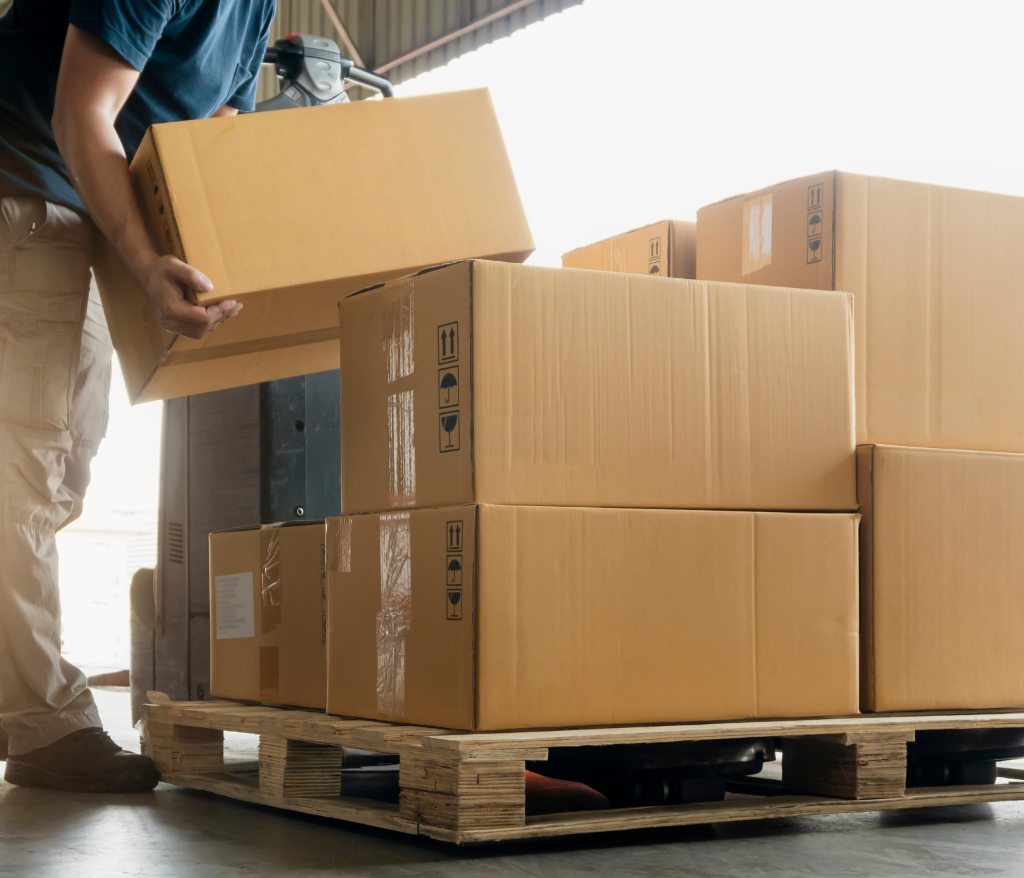
Stacking boxes on a pallet is like playing a strategic game of Tetris, where every move counts. You’ve got to choose the right foundation, prepare your pieces, and distribute their weight with precision to guarantee everything fits together perfectly.   By mastering these steps, you’ll not only maximise stability but also safeguard your load against the bumps and bruises of transit. If you’re curious about discovering the secrets to securing and protecting your palletized goods, there’s more to explore that could transform your approach and elevate your skill set.   Key Takeaways   – Choose pallets and prepare boxes with durability, size, and weight capacity in mind for stability. – Distribute weight evenly and place heavier boxes at the bottom to prevent tipping. – Use cross stacking and avoid gaps between boxes to enhance pallet stability. – Secure the load with appropriate wrapping materials to protect against movement and environmental factors.   Choosing the Right Pallet   Why start the process of stacking boxes if you haven’t first chosen the right pallet for the job? Selecting a suitable pallet is essential; it’s the foundation that supports everything else. Your choice directly impacts the safety, efficiency, and cost-effectiveness of transportation and storage.   Let’s explore pallet materials first. You’ve got options ranging from wood, plastic, to metal. Wood pallets are popular due to their affordability and recyclability. However, for heavier loads or international shipping, consider plastic or metal pallets for their durability and resistance to pests and moisture.   Pallet sizes are equally important. Standard sizes vary globally, with the most common in the U.S. being 48×40 inches. Yet, the right size for you hinges on the dimensions and weight of your boxes, as well as the specifications of the transport and storage systems you’re utilising. Opting for a pallet too small can lead to overhang, risking damage and instability. Conversely, a too-large pallet wastes space and can increase shipping costs.   Preparing Boxes for Stacking   Having selected the right pallet for your needs, it’s now time to focus on preparing your boxes for stacking to guarantee maximum stability and efficiency during transport and storage. The key to a successful stack begins with how you prepare your boxes. First, make sure each box is in good condition, with no damage or weak spots that could compromise the stack’s integrity.   Box labelling is vital. Clearly label each box with its contents, weight, and handling instructions. This not only aids in organisation but also ensures that heavier boxes aren’t mistakenly placed on top of lighter ones, risking damage. Labels should be visible and legible, positioned on the box’s side to be easily read when stacked.   Sealing methods can’t be overlooked. Use strong, reliable tape to seal boxes, reinforcing the bottom and top seams. For boxes carrying heavier items, consider strapping or banding them for added security. This step prevents boxes from opening during transport or handling, maintaining the stack’s stability.   Effective Weight Distribution   Maintaining effective weight distribution is important when stacking boxes on a pallet to prevent tipping and maximise space. To achieve this, you’ll need to pay close attention to load balancing and be mindful of weight limits. It’s not just about making sure the pallet can hold the total weight, but also about how that weight is distributed across the surface.   Start with the heaviest boxes at the bottom, spreading them evenly across the base of the pallet. This forms a solid foundation and lowers the centre of gravity, reducing the risk of the stack tipping over. As you build upwards, gradually shift to lighter boxes. This method ensures that no area of the pallet bears too much weight, which could lead to structural failures or damage to the boxes themselves.   Maximising Pallet Stability   After mastering effective weight distribution, it’s imperative to focus on strategies that enhance pallet stability for safe and efficient transport. One of the most effective ways to achieve this is by implementing strategic layer patterns and cross stacking techniques.   Let’s start with layer patterns. You’ll want to place boxes in uniform layers, each covering as much surface area of the pallet as possible. Think of it as building a solid foundation for each layer. The goal here is to avoid leaving gaps that can compromise the integrity of the stack.   Cross stacking techniques take your stability efforts to the next level. Once you’ve laid down a layer in one direction, place the next layer at a 90-degree angle. This crosshatch pattern interlocks the boxes, distributing weight evenly and adding rigidity to the structure.   Securing and Protecting the Load   To secure and protect your pallet load effectively, it’s important to use the right wrapping techniques and materials. Begin by choosing high-quality stretch wrap or strapping that’s suitable for the weight and type of your load. It’s important to wrap the load tightly, ensuring that the wrap covers the load from top to bottom, which helps in preventing any movement during transit.   When considering weather, opt for waterproof wrapping materials if your pallet is likely to be exposed to rain or moisture. This extra layer of protection can prevent water damage and keep your goods in pristine condition. In cases of extreme weather, consider using shrink wrap to provide an additional barrier against elements.   Load monitoring is also important. After securing your load, you should regularly check the straps or wrap for any signs of wear and tear. If you’re transporting goods over a long distance, periodic checks can help you catch and rectify any issues before they result in damage. This proactive approach ensures that your goods arrive at their destination in the same condition they were in when they left, minimising the risk of financial loss or delays.   Frequently Asked Questions   How Do I Determine the Maximum Height for Stacking Boxes on a Pallet to Ensure Safety During Transportation? You’ll need to check the weight limits and adhere to specific

Are There Any Harmful Chemicals in Plastic Pallets?

Are There Any Harmful Chemicals in Plastic Pallets?

Imagine you’re a logistics manager choosing pallets for your company’s supply chain. You’ve heard rumours about harmful chemicals in plastic pallets, but you’re not sure what to make of them. As you consider the materials that come into close contact with your goods, it’s important to understand the potential risks involved. Common chemicals found in plastic pallets, such as Bisphenol A (BPA), can pose health and environmental risks. But how widespread is this issue, and what regulations are in place to protect you? Exploring this further could reveal not only the risks but also safer alternatives that guarantee the well-being of your products and, ultimately, your customers.   Key Takeaways – Plastic pallets contain chemicals like phthalates and BPA, raising health and environmental concerns. – These chemicals can disrupt human and wildlife endocrine systems, leading to reproductive issues. – Industry standards and regulations aim to minimise the release of toxic chemicals from plastic pallets. – Safer alternatives include biodegradable pallets made from materials like corn starch or sugarcane.   The Basics of Plastic Pallets Plastic pallets, serving as an essential and lightweight alternative to traditional wooden pallets, play a crucial role in the logistics and storage industries. Their introduction has revolutionised how goods are stored and transported, offering a cleaner, more durable option. Plastic durability is one of the main reasons these pallets have gained such traction. Unlike wood, which can splinter, rot, or become infested with pests, plastic pallets resist weathering, chemicals, and decay. This longevity reduces the need for frequent replacements, making them a cost-effective choice in the long run. The manufacturing process of these pallets also contributes significantly to their robustness and reliability. Made primarily through high-pressure injection moulding, plastic pallets are moulded into a single, solid structure without weak points, ensuring uniform strength throughout. This process allows for the incorporation of specific designs and features, such as lip edges or anti-slip surfaces, which enhance their functionality. Understanding the basics of plastic pallets, including their durability and manufacturing process, sets the stage for a deeper look into their safety and environmental impact, highlighting why they’ve become indispensable in modern supply chains.   Common Chemicals Identified Several chemicals found in plastic pallets, including phthalates and bisphenol A (BPA), have raised health and environmental concerns. These substances, integral to the manufacturing processes of these pallets, enhance their chemical durability and performance under various conditions. However, their presence has sparked a critical examination of the materials used in plastic pallet production. Phthalates, often added to plastics to increase their flexibility, are a group of chemicals widely scrutinised for their potential health implications. Similarly, BPA, employed to harden plastics, has been the subject of debate regarding its safety. These chemicals aren’t just incidental; they’re selected for their ability to withstand the rigours of transportation and storage, highlighting a trade-off between durability and potential safety concerns. The manufacturing processes of plastic pallets are designed to produce items capable of enduring heavy loads and resisting degradation from environmental exposure. This necessitates the inclusion of various additives to achieve the desired levels of performance. While the intent is to enhance the utility and lifespan of these pallets, the selection of chemical components is a critical factor that must balance functional benefits with safety considerations.   Health and Environmental Risks While the use of chemicals such as phthalates and BPA in plastic pallets enhances their durability, it’s important to examine the health and environmental risks these substances pose. These chemicals, when leached into the environment, can disrupt endocrine systems in both humans and wildlife. Studies have shown that prolonged exposure to BPA and phthalates can lead to reproductive issues, developmental problems in children, and an increased risk of certain cancers. From an environmental perspective, the recycling process of plastic pallets containing these harmful chemicals presents its own set of challenges. Not all recycling facilities are equipped to safely handle or segregate these chemicals, leading to potential contamination of the recycling stream. This can result in the production of new plastic products that carry these toxic substances, perpetuating the cycle of exposure. The interaction of wildlife with these chemicals, especially in aquatic environments where plastic debris often ends up, has been a growing concern. Animals can ingest these substances directly or indirectly, leading to bioaccumulation and potential disruption of entire ecosystems. It’s critical to consider the broader implications of using plastic pallets with harmful chemicals, balancing durability against health and environmental safety.   Industry Standards and Regulations To mitigate the risks associated with harmful chemicals in plastic pallets, industry standards and regulations have been developed and implemented globally. These frameworks are designed to guarantee the safety and environmental sustainability of plastic pallet production and usage. You’ll find that certification processes play a vital role in this regard. They verify that manufacturers adhere to specific guidelines that limit the use of hazardous substances in their products. This isn’t just about ticking boxes; it’s about safeguarding health and protecting the environment. Global compliance is another key aspect. Manufacturers and suppliers of plastic pallets must navigate a complex landscape of international regulations. These can vary significantly from one region to another, but the underlying goal is universal: to minimise the release of toxic chemicals into our surroundings. Compliance ensures that plastic pallets entering the market don’t pose a substantial risk to human health or the environment. This focus on industry standards and regulations highlights a collective effort to address potential safety concerns. By adhering to strict certification processes and aiming for global compliance, the industry aims to mitigate the risks associated with harmful chemicals in plastic pallets. This approach is evidence-based, prioritising public health and environmental integrity.   Safer Alternatives and Solutions Acknowledging the importance of industry standards and regulations, it’s also imperative to explore safer alternatives and solutions for plastic pallets to further reduce the environmental and health risks. In the quest for sustainability and safety, biodegradable options present a promising path. Made from materials such as corn starch or sugarcane, these biodegradable pellets decompose naturally, leaving

When Was the Euro-Pallet Invented?

When Was the Euro-Pallet Invented?

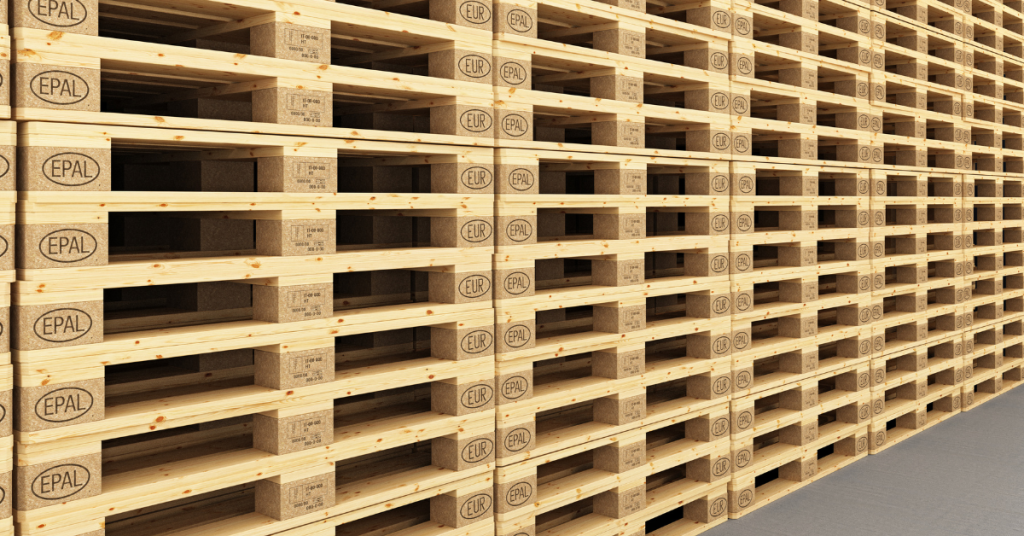
Exploring the history of the Euro-pallet is like piecing together a puzzle from the past; it requires patience and a keen eye for detail. You might find it fascinating that its roots stretch back to a time when Europe was reconstructing its economy and infrastructure in the aftermath of World War II. Introduced in 1961, this standardised wooden platform revolutionised the transportation and storage of goods, facilitating smoother trade across the continent. But to fully grasp its significance, you’ll need to investigate the convergence of economic needs and innovative standardisation efforts that paved the way for its creation. What led to its inception, and how did it become a cornerstone of global logistics?   Key Takeaways – The Euro-Pallet was introduced as a standardised transportation module in 1961. – Its development was a response to post-World War II Europe’s logistical challenges. – Standardization and sustainable design were central to the Euro-Pallet’s conception. – The Euro-Pallet played a pivotal role in modernising global trade practices.   The Conceptual Genesis Exploring the fundamental genesis of the Euro-Pallet reveals a strategic response to the pressing demands of post-war Europe for standardised transportation and storage solutions. You’ll find that its material origins and design evolution are pivotal to understanding how this innovation transformed logistics and supply chain management across the continent. Initially, the Euro-Pallet’s material origins were rooted within the abundant forests of Europe. Crafted from wood, a renewable resource, it offered an eco-friendly solution that was both sturdy and sustainable. This choice of material was instrumental in its widespread adoption, as wood was readily available and could withstand the rigours of transport and storage. The design evolution of the Euro-Pallet is equally significant. Its standardised dimensions—1200mm by 800mm—were not arbitrary. These measurements were meticulously calculated to maximise efficiency in loading and unloading processes, as well as compatibility with the existing transportation infrastructure. This standardisation facilitated seamless movement of goods across national borders, effectively reducing logistical bottlenecks and enhancing economic recovery. Fundamentally, the Euro-Pallet’s inception was a critical milestone in post-war Europe. Its thoughtful material selection and design ingenuity underpin its enduring legacy in the logistics sector.   Post-War Economic Landscape In the aftermath of World War II, virtually every European economy faced the monumental task of rebuilding from the ruins, a process intricately linked to the evolving logistics and transportation systems, including innovations like the Euro-Pallet. You’d find that the Marshall Plan played a pivotal role in this era, providing essential financial assistance that enabled war-torn nations to commence their reconstruction efforts. However, the landscape of post-war economic recovery was complex and fraught with challenges. Here are three key points to understand the post-war economic landscape: Devastation of Infrastructure: The war left a significant portion of Europe’s industrial and transportation infrastructure in ruins, severely hindering initial recovery efforts. Marshall Plan Assistance: The United States initiated the Marshall Plan, injecting over $13 billion into Western Europe to aid in rebuilding efforts, which, in turn, stimulated economic growth and the redevelopment of critical infrastructure. Reconstruction Challenges: Despite the financial aid, European countries faced numerous reconstruction challenges, including shortages of raw materials, skilled labour, and the need for efficient logistics solutions to support the rebuilding process. This period of economic recovery and transformation underscored the importance of innovations like the Euro-Pallet in addressing logistical challenges and facilitating the efficient distribution of goods across the recovering continent.   Standardisation Efforts Amid the complex web of post-war recovery efforts, standardisation emerged as a critical tool to streamline processes and enhance the efficiency of logistical operations across Europe. You’ll find this initiative pivotal in addressing the pressing need for a unified approach to material handling and transportation. The focus on standardising pallet sizes and material specifications played a fundamental role in this transformation. By agreeing on specific dimensions and materials, stakeholders guaranteed compatibility and interoperability across different logistical networks. This was no small feat, given the diversity of industrial sectors and national practices prevalent at the time. Delving deeper into the matter, the emphasis on material specifications wasn’t merely about achieving uniformity. It was also about enhancing pallet durability—an important factor considering the harsh realities of transport and storage. Durable pallets meant fewer replacements, lower costs, and, importantly, a reduction in resource waste. This attention to durability also underscored a commitment to sustainability, long before the term became a mainstream concern. The standardisation efforts didn’t just pave the way for smoother operations but also laid the groundwork for more sustainable logistics practices.   The 1961 Milestone Building upon the foundation of standardisation efforts, 1961 marked a significant turning point in the history of logistics with the introduction of the Euro-pallet. This innovation wasn’t just a new piece of equipment; it was a pivotal moment that transformed how goods were transported and handled across Europe. Design Origins: The Euro-pallet’s design was meticulously planned. It wasn’t a spontaneous creation but a response to the pressing need for a standardised transportation module. The dimensions and structure were chosen to maximise efficiency in loading and compatibility with the existing transportation infrastructure. Manufacturing Techniques: The methods used to manufacture the Euro-pallet in 1961 were ahead of their time. High-quality wood was selected for durability, and precision in construction ensured that each pallet met stringent specifications. This attention to detail was vital for the pallet’s acceptance and widespread use. Standardisation: The introduction of the Euro-pallet was a monumental step towards the standardisation of cargo units. It facilitated smoother logistics operations by ensuring compatibility across different transportation modes and storage systems. The meticulous planning behind the Euro-pallet’s design and the advanced manufacturing techniques employed in its production underscore its significance in the logistics industry. This wasn’t just a new tool; it was a revolution in how goods were moved across borders.   Impact on Global Trade The Euro-pallet revolutionised global trade by standardising cargo dimensions, thereby streamlining international shipping processes. This uniformity allowed for the optimization of container spaces, enhancing shipping efficiency. With cargoes fitting neatly into standardised slots, the number of trips necessary to

Why Is a Wood Pallet More Popular Than a Metal Pallet?
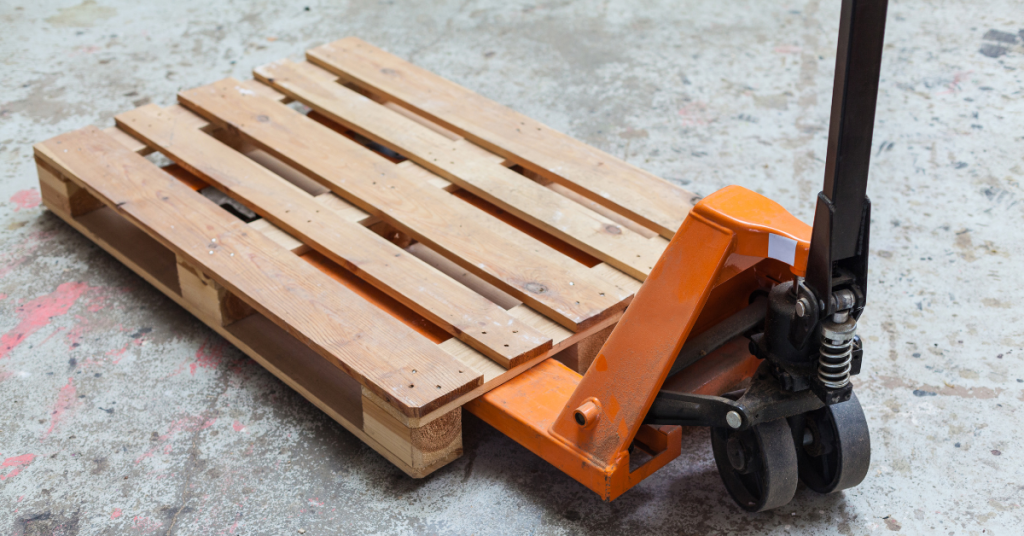
Why Is a Wood Pallet More Popular Than a Metal Pallet?

Have you ever wondered why you see more wood pallets in the warehouse than metal ones? It’s not just about aesthetics; wood pallets offer a range of advantages that make them a preferred choice for many businesses. From cost efficiency to their ease of repair and reuse, they tick several boxes for practicality. Their environmental impact and flexibility in customization play significant roles in their popularity. As you consider the logistics behind your next shipment, understanding the subtle balance between weight, handling, and the sustainable footprint of your choice might influence a shift in perspective. Let’s explore this further, shall we?   Key Takeaways – Wood pallets offer cost efficiency with a lower purchase price and faster production than metal pallets. – They are easily repairable and reusable, enhancing sustainability and reducing environmental impact. – Wood pallets provide flexibility and customization for supply chain needs, unlike metal pallets. – Lighter weight makes wood pallets easier to handle and reduces shipping and operational costs.   Cost Efficiency When considering cost efficiency, wood pallets often come out ahead due to their lower initial purchase price compared to metal pallets. This advantage stems from several factors, including production speed and material availability. Let’s break it down. To begin with, wood is a readily available material in many regions, which keeps its cost relatively low. This accessibility means manufacturers can quickly source the necessary materials to produce wood pallets, ensuring a steady supply to meet demand. On the other hand, metal requires a more complex procurement and processing chain, which can drive up costs. In addition, the production speed of wood pallets is faster than that of metal pallets. Wood can be easily cut, shaped, and assembled into pallets using simple and fast processes. Metal pallets, however, require more time-intensive processes such as welding and finishing, which not only slow down production but also increase labour and energy costs. These factors combined make wood pallets a more cost-efficient option for businesses looking to minimise their expenditure on pallets without compromising on functionality. It’s a practical choice that balances affordability with performance, explaining why wood pallets maintain their popularity in various industries.   Repairability and Reusability In evaluating repairability and reusability, wood pallets offer a significant advantage due to their simpler construction and the ease of sourcing materials for repairs. Unlike metal pallets, which often require specialised skills and tools for even minor fixes, wood pallets can be quickly and cost-effectively repaired by replacing individual boards or nails. This straightforward repairability extends their lifespan and enhances their overall value. When considering the practical aspects of wood versus metal pallets, three key points stand out: Durability concerns: While metal pallets may initially seem more durable, their repair complexity can lead to shorter functional lifespans when quick fixes aren’t feasible. Wood pallets, in contrast, can be easily refurbished, addressing durability concerns through maintenance rather than replacement. Aesthetic differences: Over time, metal pallets can suffer from corrosion and wear, which aren’t only difficult to repair but can also affect their appearance. Wood pallets, however, can be sanded and refinished, often improving their aesthetic with age. Reusability: The ease of repairing wood pallets supports a cycle of reusability, reducing the need for constant manufacturing of new pallets. This not only saves resources but also contributes to a more sustainable operation. Environmental Impact Building on the discussion of repairability and reusability, let’s now examine the environmental impact of using wood versus metal pallets. When you explore the lifecycle analysis of both materials, you’ll find that wood pallets often have a lower carbon footprint compared to their metal counterparts. This primarily stems from the fact that wood is a renewable resource; trees can be replanted and forests can be managed sustainably. In contrast, the production of metal pallets involves mining and refining processes that are energy-intensive and generate a significant amount of CO2 emissions. Additionally, at the end of their life, wood pallets can be recycled, repurposed, or even bio-degraded, further minimising their environmental impact. Metal pallets, while recyclable, require more energy for the recycling process, which again contributes to a higher carbon footprint. It’s also worth noting that the energy consumption for manufacturing wood pallets is considerably lower than that for producing metal pallets.   Flexibility and Customization Exploring the domain of flexibility and customization, you’ll find that wood pallets offer greater versatility compared to metal pallets. This difference stems from several key factors: Design Versatility: Wood allows for easy adjustments and modifications. You can quickly cut and resize wooden pallets to meet specific requirements, a flexibility metal pallets lack due to their rigid structure. This flexibility makes wood the go-to choice for businesses needing custom solutions for their unique products. Manufacturing Speed: Wood pallets can be produced faster than their metal counterparts. The process of cutting and assembling wood is less time-consuming and complex than moulding and welding metal. This rapid production means you can receive customised pallets in a shorter time frame, keeping your supply chain moving without delays. Repair and Modification Ease: Unlike metal, wooden pallets can be easily repaired or modified on-site with simple tools. Broken boards can be replaced, and the pallet’s structure can be adjusted without needing specialised equipment or skills. This convenience ensures your operations remain flexible and responsive to changing needs.   Weight and Handling Considering weight and handling, you’ll find that metal pallets generally weigh more than their wooden counterparts, impacting logistics and manual handling processes. The heavier weight of metal pallets, while indicative of material durability, can notably increase shipping costs due to the added weight. Additionally, the handling of heavier metal pallets requires specialised equipment or additional labour, raising operational costs and complicating logistics. From a practical standpoint, wood pallets offer advantages in handling safety. Their lighter weight makes them easier to manoeuvre without mechanical aid, reducing the risk of injury during manual handling. This aspect is vital in environments where speed and efficiency are paramount, and the availability of lifting equipment is limited. Furthermore, the inherent flexibility

What Are Pallets?

What Are Pallets?

Just as the foundation is critical for building a sturdy house, pallets serve as the unsung heroes in the architecture of global trade and logistics. You’ve likely seen them stacked in warehouses or serving as makeshift furniture, but have you ever considered their origins, the variety available, or their impact on sustainability and future technologies? Exploring the world of pallets uncovers a tale of innovation and necessity, a journey that not only supports goods but also the environment. Let’s commence this exploration together, where you’ll discover how these simple platforms are key players in our everyday lives, perhaps in ways you’ve never imagined.   Key Takeaways – Pallets are platforms used for storage, handling, and transportation in various industries. – They come in materials like wood, plastic, metal, and paper, each offering unique advantages. – Pallets improve shipping efficiency, optimise storage space, and can be recycled or repurposed. – Future trends include smarter technology, sustainable materials, and designs that lower costs and environmental impact.   History of Pallets To truly understand pallets, you must investigate their history, which traces back to the early 20th century, marking a noteworthy evolution in logistics and warehousing practices. Initially, pallet materials were primarily wood, chosen for its availability, durability, and ease of fabrication. This choice set a precedent for the future of pallet design and usage. As the demand for pallets grew, the quest for efficiency and durability in pallet materials led to the exploration of alternative materials, such as plastic, metal, and even recycled materials. Each of these materials brought its own set of advantages and challenges, impacting the overall design and application of pallets in the supply chain. Pallet design has also undergone substantial changes since its inception. Early pallets were simple skids, essentially platforms without bottom deck boards. However, as the need for more stable and efficient handling grew, the design evolved into the double-faced pallet, featuring both top and bottom deck boards. This design improvement significantly enhanced the strength and versatility of pallets, allowing for safer and more efficient stacking, storage, and transportation of goods. The evolution of pallet materials and design underscores the practical and analytical approach to improving logistics and warehousing practices over the years.   Types of Pallets When delving into the domain of logistics and warehousing, it’s crucial to grasp that pallets come in various types, each designed to meet specific needs and requirements. The diversity in pallet types is largely attributed to the variety in pallet materials and pallet construction techniques. – Wooden Pallet: They’re the most common, appreciated for their durability and ease of repair. The construction varies from using softwood for disposable pallets to hardwood for multiple uses. – Plastic Pallet: These are gaining popularity due to their durability, ease of cleaning, and resistance to rot, making them ideal for the food industry. Plastic pallets are usually made from either high-density polyethylene (HDPE) or polypropylene (PP). – Metal Pallet: Constructed from materials like steel or aluminium, metal pallets are used for heavy loads, high-stacking requirements, and long-term outdoor storage. They’re exceptionally durable but also the most expensive. – Paper Pallet: An eco-friendly option, paper pallets are lightweight, recyclable, and are used primarily for light loads. They’re constructed from heavy-duty corrugated cardboard. Each type of pallet offers unique advantages, tailored to different storage, handling, and transportation needs, highlighting the importance of selecting the right one based on specific operational requirements.   How Pallets Are Used Understanding the diversity in pallet types equips you with the knowledge to explore how these pallets are utilised across various industries for storage, handling, and transportation purposes. Each pallet’s design and material cater to specific needs, enhancing shipping efficiency by ensuring goods are moved safely and securely. The flat structure and sturdy build of pallets make them indispensable in stacking, storing, and transporting goods in warehouses, trucks, and cargo ships, minimising damage during transit. In the domain of logistics, pallets optimise space both in storage facilities and during transportation. Their uniform size and shape allow for goods to be organised in a compact manner, maximising the use of space in shipping containers and trucks. This organisation contributes greatly to shipping efficiency, reducing costs, and improving the speed of delivery. Beyond their traditional use, pallets have found a second life in the form of pallet furniture, a sign of their versatility and sustainability. Entrepreneurs and DIY enthusiasts repurpose them into stylish, eco-friendly furniture pieces, showcasing creativity and resourcefulness. This innovative use extends the lifecycle of pallets, demonstrating their value beyond industrial applications.   Pallets and Sustainability The pallet, often seen as mere platforms for transporting goods, play an important role in advancing sustainability efforts within the logistics industry. You’re likely familiar with their primary function, but you may not be aware of how they contribute to environmental sustainability. Through pallet recycling programs and sustainable manufacturing practices, these ubiquitous platforms are more than just wood and nails; they’re part of a larger effort to reduce waste and promote eco-friendly practices. – Pallet Recycling Programs: These initiatives encourage the repair and reuse of pallets, greatly reducing the need for new raw materials and minimising waste in landfills. – Sustainable Manufacturing Practices: Many pallet manufacturers now source wood from certified sustainable forests and use less energy-intensive production methods, lowering the carbon footprint of each pallet. – Lifecycle Extension: By refurbishing damaged pallets, their lifespan is extended, which decreases the demand for new pallet manufacturing and conserves resources. – Material Recovery: At the end of their life, the materials from pallets can be recovered and repurposed, from wood chips for landscaping to biomass fuel, ensuring that very little goes to waste. Through these efforts, pallets are playing an important role in making the logistics industry more sustainable.   Future of Pallet Technology Looking ahead, the evolution of pallet technology promises to further revolutionise the logistics industry by introducing more efficient, sustainable, and intelligent solutions. You’ll witness pallet tracking innovations taking centre stage, leveraging cutting-edge technologies like RFID (Radio Frequency Identification) and IoT (Internet

What Are the Advantages of Plastic Pallets?

What Are the Advantages of Plastic Pallets?

In the world of logistics, plastic pallets are the unsung heroes, quietly revolutionising how goods are stored and transported. You might find yourself wondering why these seemingly mundane items have garnered such attention. Well, they boast a plethora of advantages, from their enhanced durability that resists wear and tear, to their impeccable hygiene standards that are a boon in industries requiring sterility. Additionally, they’re champions of sustainability and can be recycled, reducing their environmental footprint. But the benefits don’t stop there. As you peel back the layers, you’ll uncover how cost-effectiveness, versatility, and safety features make them an irresistible choice for businesses. The question then becomes, how do these benefits translate into real-world applications, and what might you be overlooking by sticking with traditional options?   Key Takeaways – Plastic pallets offer superior durability and strength, reducing replacement needs. – They ensure higher hygiene and cleanliness standards, ideal for sensitive industries. – Environmentally sustainable, they decrease deforestation and carbon emissions. – Cost-effective over time with lower maintenance, shipping, and storage expenses.   Enhanced Durability Plastic pallets boast a remarkable ability to withstand wear, tear, and environmental factors, outperforming their wooden counterparts with respect to durability. You’ll find their weather resistance a key factor in this superiority. Unlike wood, which can warp, rot, or deteriorate when exposed to rain, snow, or extreme temperatures, plastic pallets maintain their integrity. They’re engineered to endure harsh conditions without succumbing to the elements. This resilience guarantees that they last notably longer, reducing the need for frequent replacements. In addition, material consistency plays an important role in the enhanced durability of plastic pallets. While wooden pallets can vary in quality due to the nature of wood, plastic pallets are manufactured to meet specific standards. They’re moulded under high pressure and temperature, ensuring uniformity in strength and shape. This consistency eliminates weak spots typically found in wooden pallets, making plastic alternatives less prone to breakage under heavy loads or during transport.   Improved Hygiene A significant advantage of plastic pallets is their superior hygienic properties, making them an ideal choice for industries where cleanliness is paramount. Unlike wooden pallets, which can harbour bacteria and are difficult to clean thoroughly, plastic pallets offer an easily sanitised surface, important for sectors such as food processing, pharmaceuticals, and healthcare. The benefits of plastic pallets regarding hygiene can be broken down into: Easy Cleaning: Their non-porous surface means that dirt, grime, and other contaminants can be quickly washed away. This reduces the risk of cross-contamination between shipments and guarantees that products remain safe and clean throughout their journey. Microbial Resistance: Plastic pallets are inherently resistant to microbes, including bacteria, fungi, and mould. This resistance helps prevent the spread of pathogens, further safeguarding the integrity of sensitive products. Moisture Resistance: Unlike wood, plastic doesn’t absorb moisture, which is often a breeding ground for bacteria and mould. This aspect is particularly beneficial in humid environments or when goods require refrigeration. Incorporating these hygienic features, plastic pallets not only meet but often exceed regulatory standards for cleanliness. This makes them a pragmatic and reliable choice for businesses prioritising hygiene within their operations.   Environmental Benefits Despite their synthetic nature, plastic pallets offer significant environmental advantages that contribute to sustainability efforts across various industries. One of the most compelling benefits is reduced deforestation. You’re probably aware that traditional wooden pallets require the felling of trees, contributing to deforestation and habitat loss. In contrast, plastic pallets, often made from recycled materials, greatly lessen the demand for wood, thereby protecting forests and the biodiversity they support. Additionally, plastic pallets contribute to lower emissions in a couple of notable ways. First, their durability and longer lifespan mean that you don’t need to replace them as frequently as their wooden counterparts. This reduces the overall production demand and the associated carbon footprint from manufacturing processes. Second, their lighter weight compared to wooden pallets results in lower fuel consumption during transportation. Fewer emissions from transport vehicles translate into a smaller carbon footprint for your supply chain operations.   Cost-Effectiveness Moving beyond environmental benefits, you’ll find that the cost-effectiveness of plastic pallets greatly enhances their appeal for supply chain operations. Initially, the upfront cost may seem higher than traditional wood pallets, but when you break down the long-term financial benefits, the investment in plastic pallets is justified by their durability and lifespan. Here are three key factors contributing to their cost-effectiveness: Durability and Longevity: Plastic pallets have a notably longer lifespan compared to wood pallets. They’re resistant to moisture, pests, and decay, which means they require less replacement and maintenance over time. This durability translates into cost savings as you’re not constantly purchasing new pallets. Shipping Efficiency: Plastic pallets are often lighter than their wooden counterparts, leading to lower shipping costs. Their uniform size and shape also improve container space utilisation, allowing more products to be shipped at once, further optimising freight costs. Storage Optimization: Their design allows for easy stacking and storing, optimising warehouse space. This storage efficiency can reduce warehouse costs by maximising the available space.   Versatility and Safety Beyond their economic advantages, plastic pallets often stand out for their versatility and inherent safety features, essential for diverse supply chain operations. Their material variety caters to an array of needs, from lightweight options for air freight to robust designs for heavy industrial loads. This flexibility guarantees you can find a plastic pallet tailored to your specific requirements, be it regarding size, durability, or load capacity. Material variety doesn’t just end at functionality; it also extends to safety. Plastic pallets are impervious to pests, mould, and rot, eliminating the need for chemical treatments that wooden pallets often require. This makes them a safer choice, not only for the products they carry but also for the people handling them. Additionally, their smooth design and lack of sharp edges or nails minimise the risk of workplace injuries, enhancing overall safety in operations. Load stability is another critical aspect where plastic pallets shine. Their consistent dimensions and reliability under various environmental

What Are Some Interesting Things About Wooden Pallets?

What Are Some Interesting Things About Wooden Pallets?

Much like the Trojan Horse opened the gates to an unforeseen impact on Troy, wooden pallets, often underestimated, hold secrets and stories far beyond their humble appearance. You might not give them a second glance, stacked in warehouses or carrying your groceries, but their journey from historical origins to their environmental impacts, unexpected uses, and economic benefits is nothing short of fascinating. As we explore these silent workhorses of global trade, you’ll uncover how something so simple has standardised industries worldwide, and why their story is far from over. Let’s unpack the layers together, shall we?   Key Takeaways – Wooden pallets have evolved from basic logistics tools to integral parts of global supply chains since the early 20th century. – They offer environmental benefits by being recyclable, repairable, and repurposable, contributing to sustainability efforts. – Beyond logistics, wooden pallets inspire creativity, transforming into garden furniture, art canvases, and various DIY projects. – Standardised pallet sizes enhance international trade efficiency, though regional preferences and regulations pose challenges to global standardisation.   Historical Origins The historical origins of wooden pallets trace back to the early 20th century, marking a pivotal shift in the logistics and storage industries. Before their advent, the movement of goods relied heavily on manual labour, greatly limiting the efficiency and scale of operations. Ancient craftsmanship played a critical role in the development of the wooden pallet. Artisans and workers harnessed their knowledge of wood properties and construction techniques to create durable and versatile platforms for goods transportation and storage. Military utilisation of wooden pallets further propelled their evolution. During World War II, the need for efficient transportation of supplies to various fronts required innovative solutions. Wooden pallets, with their robust structure and reusability, offered a perfect answer. They enabled the military to stack, ship, and move goods with unprecedented speed and organisation, revolutionising logistics practices. This synthesis of ancient craftsmanship and military needs facilitated the widespread adoption of wooden pallets in the civilian sector post-war. Their design and functionality have undergone refinement over the years, yet the core principles established in their early days remain integral to modern logistics and storage systems.   Environmental Impact While wooden pallets revolutionised logistics and storage, it’s important to examine their environmental footprint, considering both benefits and drawbacks. On one hand, the recycling process of wooden pallets plays a significant role in mitigating their environmental impact. Unlike plastic counterparts, wooden pallets can be repaired, repurposed, or ground into mulch, extending their lifecycle and reducing waste. This circular approach not only conserves resources but also decreases the demand for new lumber. However, it’s essential to acknowledge the carbon footprint associated with wooden pallets. The production and transportation of these items contribute to greenhouse gas emissions. The harvesting of trees for pallet manufacturing impacts carbon sequestration, a natural process where trees absorb carbon dioxide from the atmosphere. Although wood is a renewable resource, unsustainable logging practices can lead to deforestation, biodiversity loss, and increased carbon emissions. In analysing the environmental impact of wooden pallets, you’re faced with a complex picture. The recycling process offers a pathway towards sustainability, but it’s counterbalanced by the carbon footprint from their production and use. It’s this balance that industries and consumers alike must navigate to minimise environmental harm while benefiting from the utility of wooden pallets.   Unexpected Uses Exploring the domain of wooden pallets reveals their versatility beyond traditional storage and transport roles, serving in unexpected capacities that may surprise you. One such innovative use is the transformation of wooden pallets into garden furniture. Resourceful individuals dismantle and reassemble pallets, crafting them into chairs, tables, and even decorative planters. This approach not only recycled materials but also adds a unique, rustic charm to outdoor spaces. The process requires minimal tools and materials, making it an accessible project for many DIY enthusiasts. Another creative application involves using wooden pallets as art canvases. Artists and hobbyists alike find the textured surface of pallet wood ideal for painting, creating large-scale artworks that combine rustic appeal with personal expression. This repurposing not only gives a second life to what might otherwise be waste material but also challenges the traditional boundaries of art mediums. Both of these uses highlight the unexpected potential of wooden pallets beyond their original function. By viewing these objects through a lens of creativity and sustainability, you can uncover a wealth of possibilities that extend far beyond their initial purpose.   Economic Benefits Have you considered how repurposing wooden pallets can greatly reduce costs and boost the economy? When you explore the economic benefits of wooden pallets, you’ll find that their impact is more important than you might initially think. These humble platforms aren’t just about carrying goods; they embody efficiency and sustainability in the supply chain. – Cost reduction: By reusing and refurbishing wooden pallets, companies can greatly cut down on procurement expenses. This cost-saving aspect is vital, especially for small businesses and startups operating on tight budgets. – Supply chain optimization: Wooden pallets contribute to a smoother, more efficient supply chain. Their standardisation and durability enable easier storage, handling, and transportation of goods, reducing logistical headaches and costs. – Job creation: The pallet recycling industry not only promotes environmental sustainability but also creates employment opportunities in collection, repair, and resale operations. – Waste reduction: Repurposing wooden pallets greatly reduces waste, contributing to a more sustainable economic model. By extending the life of pallets, we’re minimising the need for new resources and the energy consumed in manufacturing. Analysing the economic benefits of wooden pallets reveals their critical role in cost reduction and supply chain optimization, highlighting their value beyond mere transport aids.   Global Standardisation Beyond the economic benefits, the global standardisation of wooden pallets plays a pivotal role in enhancing international trade efficiency. Uniform pallet sizes and designs guarantee that goods can be transported, stored, and handled worldwide with minimal hassle. This standardisation reduces the need for additional packaging materials and simplifies the loading and unloading processes, greatly cutting down on labour and time.

Pallet Storage Solutions – 5 Ways You Can Maximise Warehouse Space

pallet storage solutions

Looking to optimize your warehouse space efficiently? Imagine having the ability to significantly increase storage capacity while streamlining operations. With innovative pallet storage solutions at your disposal, you can transform your warehouse into a model of efficiency and organization. From dynamic racking systems to compact shelving solutions, the possibilities are endless. Find out how these strategies can revolutionize your warehouse management approach and elevate your productivity to new heights. Key Takeaways Implement dynamic racking systems to adjust shelf heights and maximize storage flexibility. Utilize automated retrieval systems with robotic technology for efficient storage and retrieval processes. Opt for vertical storage solutions to capitalize on vertical space and optimize pallet storage. Utilize mobile pallet racking to increase storage capacity by up to 80% and streamline inventory access. Dynamic Racking Systems To maximize warehouse space efficiently, consider implementing dynamic racking systems for optimal storage flexibility and accessibility. These systems allow you to adjust shelf heights based on the size of your inventory, ensuring every inch of space is utilized effectively. By utilizing dynamic racking systems, you can easily reconfigure the layout to accommodate changing storage needs, maximizing the capacity of your warehouse. With dynamic racking systems, you can store a variety of pallet sizes without wasting valuable space. The ability to adjust shelf heights means you can store bulkier items on lower levels and smaller items on higher levels, optimizing vertical space. This flexibility is particularly useful for warehouses that deal with a diverse range of products. Furthermore, dynamic racking systems enhance accessibility to stored items. By customizing shelf heights, you can ensure that frequently picked items are within easy reach, reducing the time spent on retrieval. This strategic approach to storage not only maximizes space but also improves operational efficiency within your warehouse. Automated Retrieval Systems Consider implementing automated retrieval systems in your warehouse to streamline storage and retrieval processes efficiently. Automated retrieval systems, such as AS/RS (Automated Storage and Retrieval Systems), use robotic technology to automatically move and store pallets within your warehouse. These systems can significantly increase efficiency by reducing the need for manual labor and optimizing space utilization. One key benefit of automated retrieval systems is their ability to maximize vertical space. By utilizing the height of your warehouse, these systems can store pallets in a compact manner, freeing up valuable floor space for other operations. Additionally, automated retrieval systems enhance inventory control by accurately tracking the location of each pallet, reducing the risk of errors and improving overall inventory management. Furthermore, these systems are designed to work seamlessly with warehouse management software, allowing for real-time monitoring and control of inventory levels. By implementing automated retrieval systems, you can’t only maximize warehouse space but also enhance operational efficiency and accuracy in your storage and retrieval processes. Vertical Storage Solutions Maximize your warehouse space efficiency by exploring Vertical Storage Solutions, a strategic approach that capitalizes on utilizing the height of your warehouse for optimal pallet storage. When implementing vertical storage solutions, consider the following: High Reach Racking: Install tall racking systems that allow you to store pallets vertically, maximizing the use of available height in your warehouse. This solution is ideal for items that don’t require frequent access but need to be stored efficiently. Double-Deep Racking: Opt for double-deep racking systems that enable pallets to be stored two-deep, effectively doubling your storage capacity. This system is suitable for warehouses with a large volume of the same SKUs. Push-Back Racking: Implement push-back racking systems where pallets are stored on wheeled carts that move along inclined rails. This setup allows for high-density storage by utilizing depth rather than width, making it ideal for LIFO (Last In, First Out) inventory systems. Mobile Pallet Racking Utilize the dynamic storage capabilities of Mobile Pallet Racking to optimize your warehouse space efficiently and strategically. Mobile Pallet Racking systems are mounted on guided tracks, allowing rows of pallet racks to move along the floor tracks, creating a compact storage solution. This innovative system eliminates the need for multiple aisles, as you can access any given aisle by moving the racks with a remote control. By maximizing the use of available vertical space, Mobile Pallet Racking systems can increase your storage capacity by up to 80%. Efficiency is key when it comes to warehouse operations, and Mobile Pallet Racking offers just that. With the ability to move entire rows of pallets with ease, you can access your inventory quickly and streamline your picking process. Moreover, these systems provide enhanced safety features such as aisle entry sensors and emergency stop buttons, ensuring a secure working environment for your staff. Incorporating Mobile Pallet Racking into your warehouse layout can revolutionize your storage capabilities, making the most out of your available space while maintaining efficiency and safety standards. Compact Shelving Systems Compact shelving systems offer a space-efficient storage solution that maximizes your warehouse’s storage capacity while maintaining accessibility and organization. Here are three key features of compact shelving systems to help you make the most of your warehouse space: Vertical Storage: Compact shelving systems utilize vertical space efficiently by stacking shelves on top of each other, allowing you to store more items in a smaller footprint. Mobile Units: Some compact shelving systems come with mobile units that can be easily moved to create aisles where needed. This flexibility enables you to adapt the shelving layout based on your current storage requirements. Modular Design: The modular design of compact shelving systems allows for customization and expansion as your storage needs evolve. You can add or remove shelves, adjust shelf heights, or even integrate additional units seamlessly to accommodate changing inventory levels. Frequently Asked Questions What Are the Most Common Challenges Faced When Implementing Innovative Pallet Storage Solutions in a Warehouse? When implementing innovative pallet storage solutions in a warehouse, the most common challenges include adapting existing infrastructure, training staff on new systems, optimizing workflow efficiency, and ensuring compatibility with other warehouse technologies. How Do You Determine the Best Pallet Storage Solution for Your Specific Warehouse Layout and Needs? To determine

Pallets and Their Role in Global Trade and Transportation?

pallets in global trade and transport

Did you know that approximately 80% of all global trade is conducted using pallets? These simple wooden or plastic platforms play a crucial role in the movement of goods across borders and continents. From enhancing efficiency in supply chains to enabling seamless international trade through standardization, pallets are the unsung heroes of the transportation industry. But have you ever stopped to consider the sustainability implications of pallet usage or the potential for future innovations in pallet technology? Explore the multifaceted impact of these unassuming logistics tools on the intricate web of global trade and transportation. Key Takeaways Pallets optimize warehouse space and streamline movement of goods. Standardized pallet dimensions enhance supply chain visibility. Pallet standardization ensures smooth transitions between transportation modes. Sustainable pallet practices reduce carbon footprint and promote efficient transportation. Pallets as Fundamental Logistics Tools Pallets serve as essential logistical tools that streamline the movement of goods through the global supply chain, facilitating efficient storage, handling, and transportation processes. These flat structures provide a stable base for stacking goods, allowing for easy handling by forklifts and pallet jacks. By standardizing dimensions, pallets optimize warehouse space utilization, enabling more efficient storage capacity within warehouses and transportation vehicles. The design of pallets is crucial for maximizing space efficiency during storage and transportation. Different types of pallets, such as block pallets or stringer pallets, offer varying load capacities and durability to suit specific needs. Additionally, pallet materials like wood, plastic, or metal impact factors such as weight, cost, and reusability. Understanding these design considerations is vital for effectively managing supply chain operations and minimizing logistical costs. Moreover, the use of pallets enhances supply chain visibility and tracking. By labeling pallets with barcodes or RFID tags, companies can monitor inventory levels, track shipments, and improve overall inventory management. This increased visibility leads to better decision-making, reduced stockouts, and improved customer satisfaction. Efficiency Boost in Supply Chains To enhance operational efficiency and optimize resource utilization within supply chains, meticulous planning and streamlined processes are imperative. Efficient supply chains rely on synchronized operations, from procurement to distribution, to minimize delays and reduce costs. Implementing advanced technologies like RFID tracking systems can enhance visibility and traceability, allowing for real-time monitoring of inventory movement. Automation of repetitive tasks, such as pallet loading and unloading, can significantly reduce manual labor and increase overall productivity. Additionally, adopting lean principles to eliminate waste and improve workflow can lead to a more agile and responsive supply chain network. Strategic collaboration with suppliers and logistics partners is essential for maintaining a seamless flow of goods. By establishing strong communication channels and sharing data insights, companies can proactively address issues and make informed decisions to optimize supply chain performance. Constant evaluation and adjustment of processes based on key performance indicators (KPIs) enable continuous improvement and operational excellence in supply chain management. By prioritizing efficiency and embracing innovation, businesses can stay competitive and adapt to the evolving demands of global trade. Pallet Standardization and International Trade Standardizing pallet sizes and specifications is crucial for facilitating efficient international trade operations and optimizing logistical processes. Consistent pallet dimensions and features streamline handling, storage, and transportation, benefiting various stakeholders in the global supply chain. Here are five key points highlighting the importance of pallet standardization in international trade: Intermodal Compatibility: Standardized pallet sizes ensure smooth transitions between different modes of transportation, such as trucks, ships, and planes, reducing delays and enhancing overall efficiency. Warehouse Utilization: By adhering to common pallet dimensions, companies can maximize warehouse space utilization, stackability, and storage capacity, leading to cost savings and improved inventory management. Automation Integration: Uniform pallet specifications enable seamless integration with automated material handling systems, increasing operational speed and accuracy in warehouses and distribution centers. Global Trade Compliance: Conforming to established pallet standards simplifies customs procedures and regulatory compliance, facilitating smoother cross-border movements and reducing trade barriers. Supply Chain Resilience: Standardized pallets promote resilience in supply chains by enabling greater flexibility, scalability, and agility in responding to market demands and fluctuations. Sustainability Impact of Pallet Usage Optimizing pallet specifications not only enhances operational efficiencies in global trade but also significantly impacts sustainability considerations within the supply chain. By utilizing pallets made from sustainable materials like recycled plastic or wood sourced from responsibly managed forests, companies can reduce their carbon footprint. These eco-friendly pallets aren’t only durable but also contribute to reducing deforestation and waste. Additionally, implementing efficient pallet pooling systems can lead to a significant decrease in pallet waste, as companies can reuse pallets multiple times before they need to be recycled or disposed of. Furthermore, the design of pallets plays a crucial role in sustainability. Lightweight pallets can help reduce fuel consumption during transportation, leading to lower greenhouse gas emissions. Pallets designed for optimal space utilization can also minimize the number of trips required for transportation, further cutting down on emissions. Considering the environmental impact of pallet usage is vital for creating a more sustainable supply chain and reducing the overall ecological footprint of global trade. Future Innovations in Pallet Technology Innovations in pallet technology are poised to revolutionize the efficiency and sustainability of global supply chains in the coming years. These advancements won’t only streamline operations but also contribute to reducing environmental impact. Here are five key future innovations in pallet technology: Smart Pallets: Integration of IoT technology for real-time tracking and monitoring of goods during transit. Reusable Materials: Development of durable and sustainable materials for pallet construction to minimize waste. Automated Handling: Implementation of automated systems for loading and unloading pallets, enhancing speed and accuracy. Customized Designs: Tailoring pallet specifications to meet specific product requirements, optimizing space and reducing damage. Blockchain Integration: Utilizing blockchain technology to enhance transparency, traceability, and security across the supply chain. Embracing these innovative solutions won’t only enhance operational efficiency but also drive significant cost savings and environmental benefits in the global trade and transportation industry. Frequently Asked Questions How Do Pallets Affect the Overall Cost of Global Trade and Transportation? When considering the overall cost of global trade and transportation, pallets